



Every October, skywatchers look forward to the Orionid meteor shower, a celestial show created by the famous Halley’s Comet. But this year, there's a catch: a bright Moon threatens to outshine many of the meteors. Here’s what you need to know to see them
anyway.
Cosmic Legacy of Halley's Comet
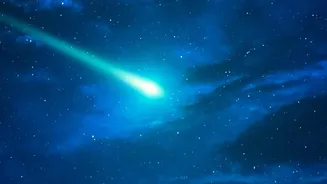
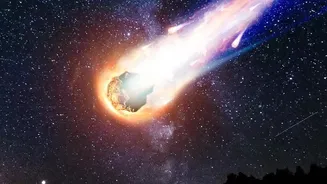
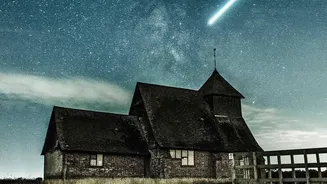
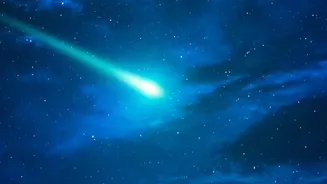
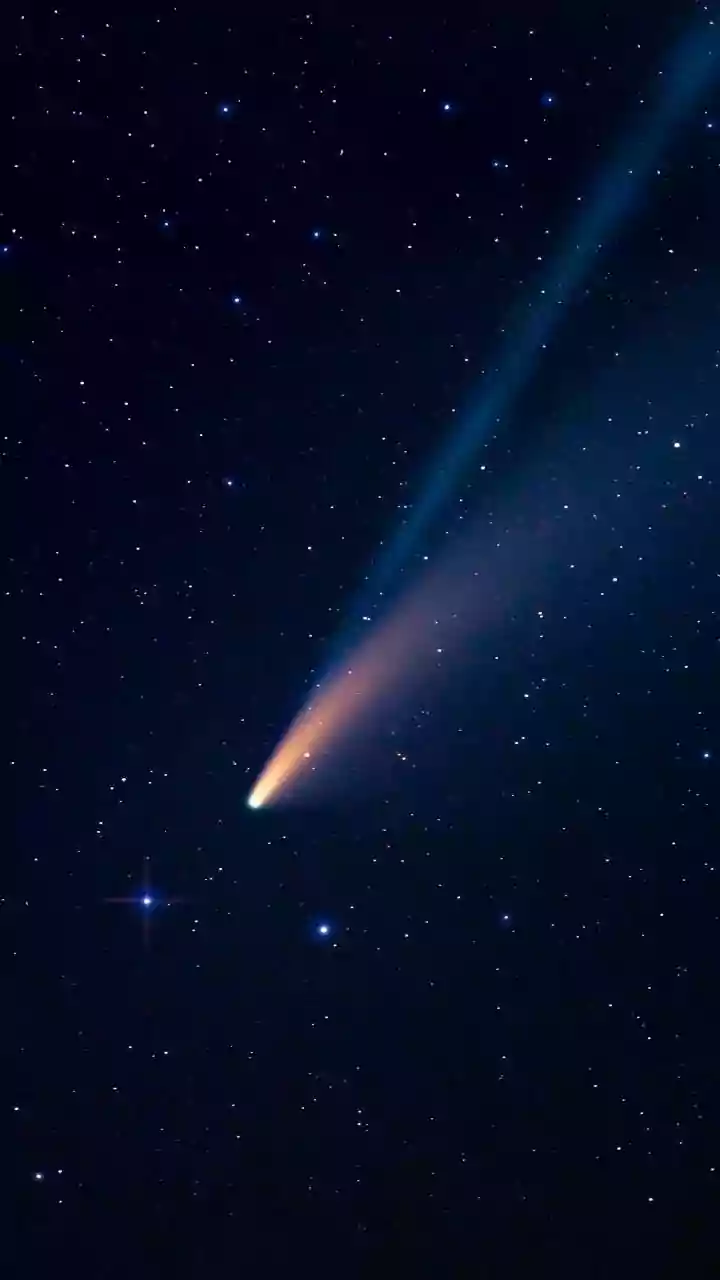
The Orionid meteor shower is an annual event that occurs when Earth passes through the stream of dusty debris left behind by Comet 1P/Halley, the most well-known of all comets. These tiny particles, many no bigger than a grain of sand, burn up upon entering our atmosphere, creating the fleeting streaks of light we call meteors. The Orionids are known for being particularly fast, hitting the atmosphere at tremendous speeds. They can also be bright, sometimes leaving persistent trails that linger for a few seconds after the meteor has vanished. The shower gets its name from the constellation Orion the Hunter, as the meteors appear to radiate from a point near it. While the meteors seem to originate there, they can appear anywhere in the sky.
This Year's Challenge: A Bright Moon
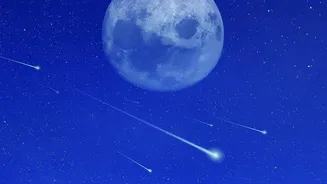
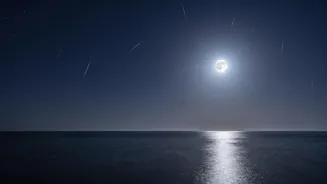
The Orionid shower will be active from early October to early November, but the best time to watch is during its peak. For 2026, the peak is predicted for the night of October 21-22. This is when Earth plows through the densest part of the comet's debris trail, promising the highest number of meteors. Under ideal dark-sky conditions, you might expect to see 15 to 20 meteors per hour. However, this year presents a significant challenge for viewers. The peak night coincides with a bright waxing gibbous Moon, which will be about 80% illuminated. This bright moonlight acts as natural light pollution, washing out the fainter meteors and drastically reducing the number you'll be able to see.
The Smart Strategy: Wait for Moonset
While the Moon will dominate the sky for much of the night, there is a silver lining. On the morning of October 22, the Moon will set a few hours before sunrise. For observers in India, this creates a crucial window of darkness. Your best chance to see the Orionids will be in the pre-dawn hours, after the Moon has dipped below the horizon and before the sky begins to brighten with the approaching dawn. This is the strategy NASA and other astronomy experts are recommending this year. Instead of staying up late, consider setting an early alarm. The hours from roughly 3 a.m. until dawn will provide the darkest skies and the best opportunity to spot the meteors.
How to Maximise Your Viewing Experience
To make the most of this celestial event, planning is key. First, get as far away from city lights as you can. Even a short drive to a rural or suburban area with less light pollution can dramatically increase the number of meteors you see. Second, once you've found your spot, give your eyes at least 20-30 minutes to fully adapt to the darkness; this means putting your phone away, as its bright screen will ruin your night vision. Dress warmly and get comfortable in a reclining chair or by lying on a blanket so you can look straight up without straining your neck. You don't need a telescope or binoculars, as they limit your field of view. The best tool is simply your own eyes and a bit of patience.
Look Beyond the Peak
If the weather is cloudy on the peak night, don't despair. The Orionids have a broad peak, meaning you can still see a decent number of meteors on the nights immediately before and after October 21-22. While the hourly rate will be lower than at the peak, you might find that a slightly less active night offers better viewing if the Moon is less of a factor or the skies are clearer. The key is to find that dark window before dawn. You can also try positioning yourself in the shadow of a building or a line of trees to block the direct glare of the Moon, which can help your eyes stay adjusted to the dark and spot more of the fainter streaks of light.