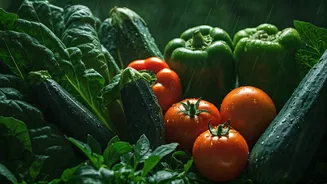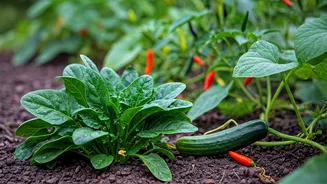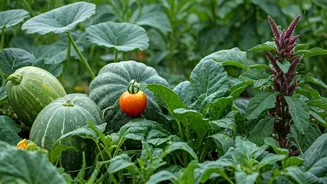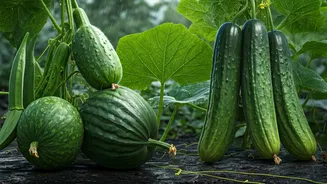




Why Garden in the Monsoon?
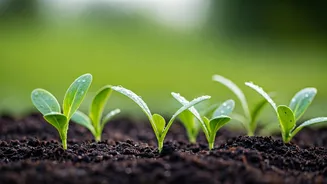
The monsoon provides the perfect natural conditions for many vegetables. The high humidity reduces the need for constant watering, while the overcast skies protect young saplings from the scorching sun. The rainwater itself is pure, slightly acidic, and
free of the minerals found in tap water, which helps in dissolving soil nutrients and making them readily available to plants. With the right selection of vegetables, you can have a fresh, organic harvest right at your doorstep, even if you're a complete beginner.
Bhindi (Okra/Lady's Finger)
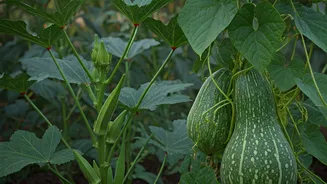
A true star of the monsoon garden, bhindi thrives in the warm and humid weather. It’s a relatively low-maintenance crop that is resilient to the heavy rains. To get started, sow the seeds directly into well-draining soil or large containers, about half an inch deep. Ensure the pots have good drainage holes to prevent waterlogging. Bhindi plants love warmth, so pick a sunny spot that gets at least 4-5 hours of sunlight. You can expect to see the first flowers in about 45 days, and soon after, you’ll be harvesting your own crisp, tender okra for sambar or a delicious bhindi fry.
Gourds (Lauki, Karela, Turai)
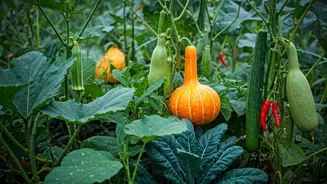
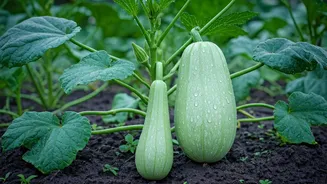
The gourd family, including bottle gourd (lauki), bitter gourd (karela), and ridge gourd (turai), are prolific growers during the rainy season. These are climbers, which means they are perfect for homes with limited ground space. You can train them up a trellis, wall, or fence. Sow 2-3 seeds in a pot or a soil patch and ensure they have a sturdy support structure to climb on. The broad leaves of the vines help protect the soil from heavy rain, and their rapid growth is a delight to watch. The constant moisture of the monsoon is exactly what these thirsty plants need to produce a bountiful harvest throughout the season.
Cucumber (Kheera/Kakdi)
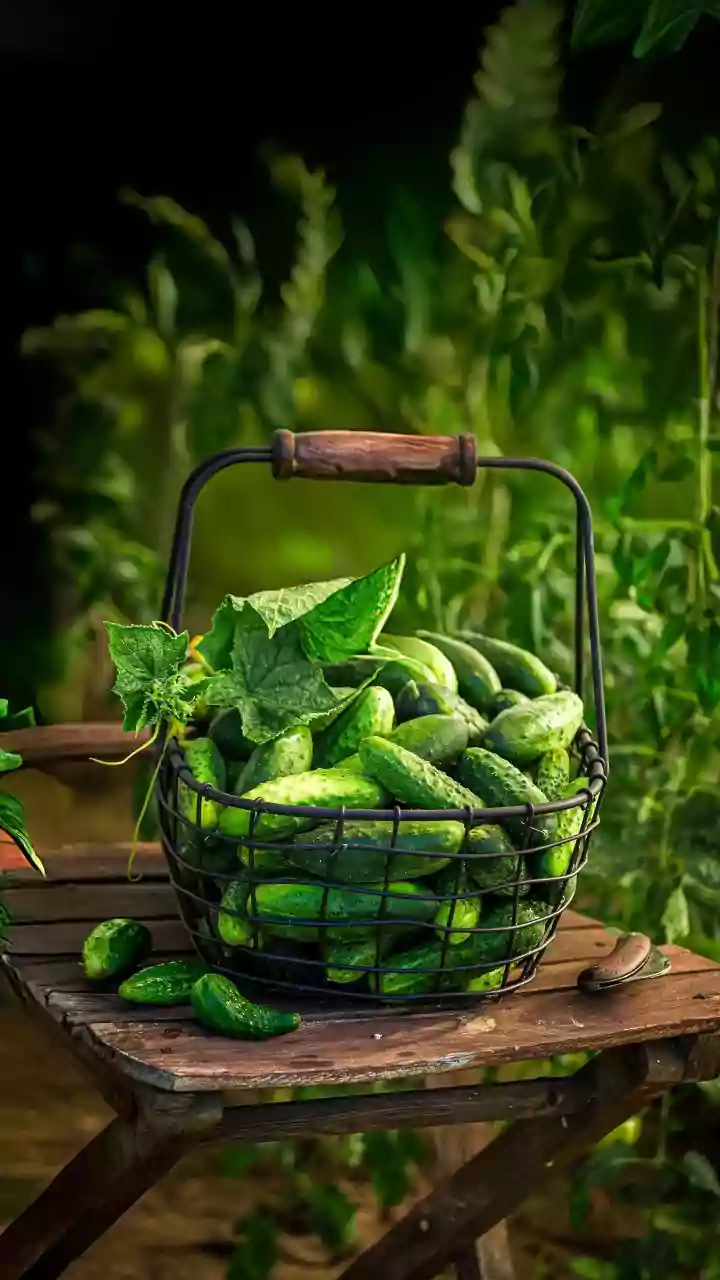
Who doesn't love a fresh, crunchy cucumber salad? Cucumbers are over 90% water, and they adore the moisture-rich environment of the monsoon. Like gourds, most cucumber varieties are creepers and will need support. You can grow them in large grow bags or on the ground. Sow the seeds directly into nutrient-rich soil. Be mindful of pests like fruit flies, which are common in the humid weather. A simple homemade spray of neem oil can help keep them at bay. With adequate care, you'll be harvesting refreshing cucumbers in about 50-60 days.
Beans (Sem Phali, Gawar)
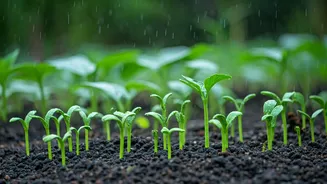
Beans are another fantastic choice for your monsoon garden. Varieties like cluster beans (gawar) and broad beans (sem phali) are hardy and productive. A key benefit of growing beans is their nitrogen-fixing ability, which enriches the soil for future plantings. You can choose from bush varieties that grow compactly or pole varieties that need a trellis to climb. Sow the seeds directly into the soil. They germinate quickly in the moist monsoon earth and require very little care once established, making them one of the easiest vegetables to grow for a quick and nutritious yield.
Leafy Greens (Palak, Chaulai)
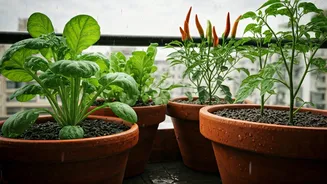
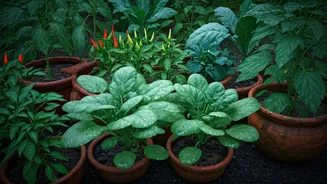
While many leafy greens can be prone to rot in heavy rain, certain varieties like spinach (palak) and amaranth (chaulai) can do very well if managed properly. The trick is to ensure excellent drainage. Plant them in raised beds or in containers with plenty of holes. It’s also wise to place them in a spot that receives morning sun but is shielded from the full force of afternoon downpours, perhaps under a porch or a slight overhang. These greens grow incredibly fast, and you can start harvesting leaves in as little as 3-4 weeks for a continuous supply of fresh, healthy saag.