
More Than a Runway
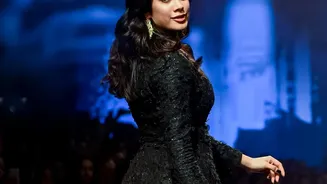
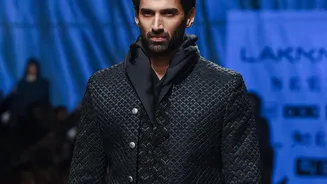
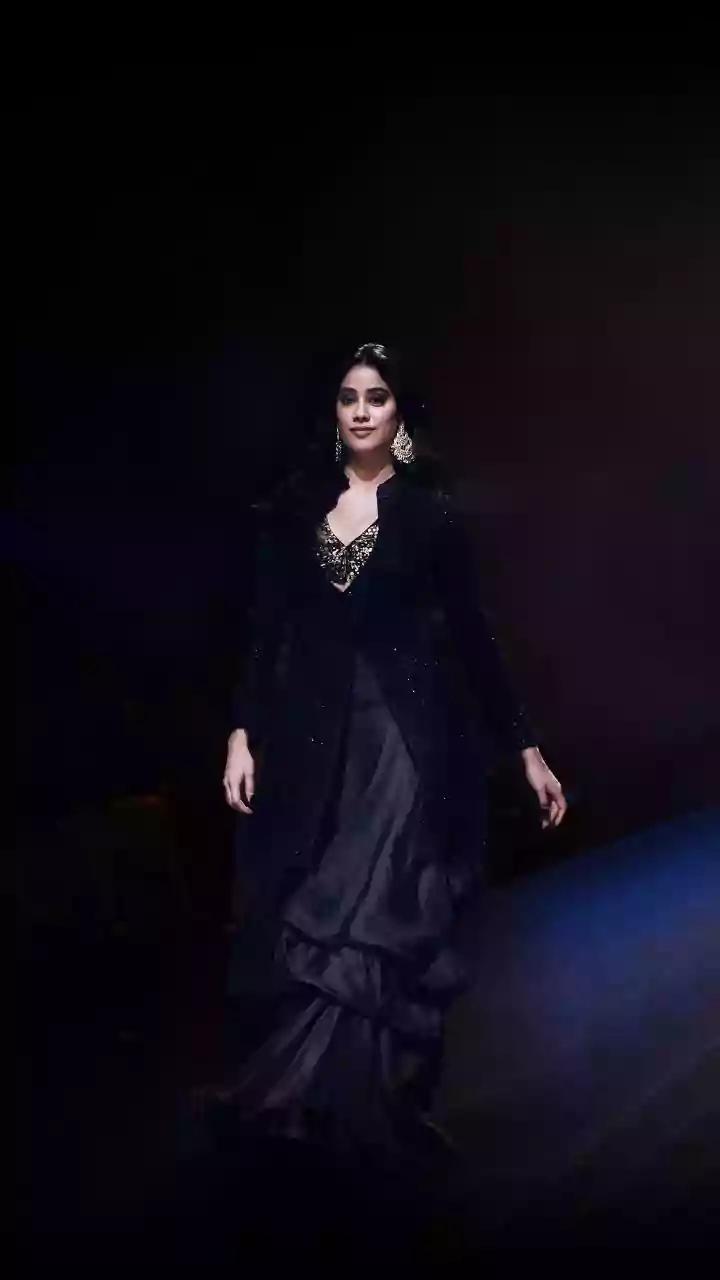
For years, a fashion show followed a simple formula: a raised platform, bright lights, and a procession of models. But at the most recent India Couture Week (ICW), designers proved that the setting is now as much a part of the story as the clothes themselves.
This new approach, often called immersive fashion, is about creating a complete universe for a collection to inhabit. It's a move beyond just presenting garments to crafting an unforgettable experience. Designers are using everything from elaborate, museum-like sets and live music to curated scents and artistic storytelling to transport their audiences. The goal is to make attendees feel like they have stepped into the designer's world, making the fashion itself more meaningful and memorable.
The Storytelling Spectacle
Rahul Mishra, who closed ICW 2026, is a master of this new format. For his collection 'Devi', inspired by ancient Indian temple sculptures, he did away with a traditional runway altogether. Instead, he created an immersive walkthrough presentation where guests could move among the models, who stood like living statues on platforms. This allowed attendees to get up close and appreciate the incredible, painstaking embroidery that mimicked the texture of carved stone. By combining the showcase with live performances by traditional artists, Mishra didn't just present clothes; he created a dialogue between art, craft, and fashion, turning the show into a cultural event.
Crafting Worlds, Not Just Clothes
This trend was visible across the week. Anamika Khanna opened ICW 2026 with a show at Hyderabad's Falaknuma Palace, transforming the historic venue into a 'Moonlit Palace' that served as a living narrative for her collection. Tarun Tahiliani also opted out of a conventional show, instead mounting an immersive exhibition that allowed guests to walk through his creations like a museum exhibit, highlighting the detailed craftsmanship. Others, like Falguni Shane Peacock, took audiences on a 'Grand Voyage' inspired by global travels, with sets referencing everything from Byzantine mosaics to the Taj Mahal. Each show was a distinct world, from JJ Valaya’s celebration of the Siddi community's legacy to Masaba Gupta’s vibrant, playful vision of modern India.
The Social Media Imperative
So, why the shift? A major driver is the power of social media. In an age dominated by Instagram and Reels, a visually stunning, 'viral' moment is invaluable. An incredible set or a unique presentation format gets shared as widely as the celebrity showstopper, amplifying a brand's reach globally. Platforms like Instagram have democratized fashion, allowing anyone to become a trendsetter. Designers are keenly aware that their show is being broadcast in real-time to millions, and an immersive experience provides endless content for an audience hungry for visual storytelling. It helps brands build a stronger narrative and connect with consumers on an emotional level, long after the show is over.
A Global Design Destination
This evolution is about more than just good marketing. By creating these rich, immersive experiences, Indian designers are elevating the perception of their work on the world stage. It proves that Indian couture is not just about bridalwear or traditional crafts, but about a forward-thinking, artistic vision that can compete with the grand spectacles of Paris, Milan, and New York. Rahul Mishra's collection, for instance, was shown in Paris before its immersive Indian presentation, ranking him alongside global giants like Dior and Chanel in terms of media impact. This shift solidifies India Couture Week's status not just as a trade event, but as a premier design destination—a place where fashion, art, and culture converge to create something truly magical.