



A New Chapter in Overnight Travel
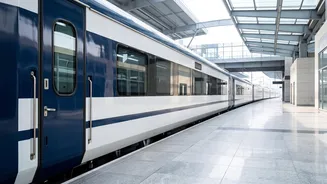
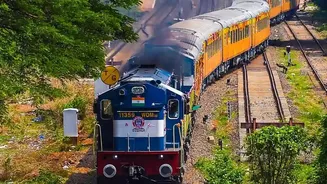
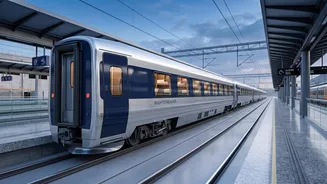
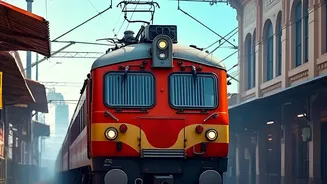
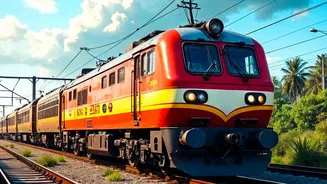
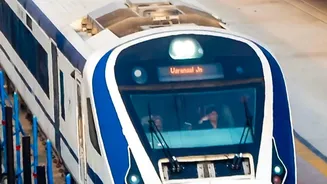
For years, Pune passengers have navigated a landscape of crowded trains, overnight buses, and expensive flights for long-distance travel. Now, Indian Railways is steering towards a major upgrade with the introduction of Vande Bharat Sleeper trains. Unlike
the chair-car versions already in service, these are designed specifically for comfortable overnight journeys. A key proposal that has generated excitement is the inclusion of Pune as a major stop on the upcoming Mumbai-Bengaluru Vande Bharat Sleeper route. This move would directly address the high demand for better connectivity between Maharashtra and Karnataka's economic powerhouses. For Pune's residents, it means the potential for a faster, more comfortable, and premium travel experience is on the horizon.
The Routes on the Radar
The most prominent proposal involves the Mumbai-Bengaluru Vande Bharat Sleeper, with a confirmed stop in Pune. According to Union Minister of State for Railways V. Somanna, this service is slated for a potential launch on November 1, 2026. The proposed route would connect Mumbai and Bengaluru via Pune, Solapur, Kalaburagi, and Guntakal. This service is expected to reduce the journey time between Mumbai and Bengaluru from about 22 hours to just 16, a saving of up to six hours. For passengers boarding from Pune, the journey to Bengaluru could be shortened by three to four hours compared to existing services. Additionally, a Vande Bharat Sleeper service connecting Pune directly with Nagpur has also been proposed to address perpetually long waiting lists on this busy route.
What Makes the Sleeper Special?
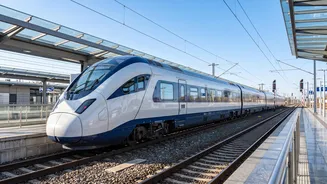
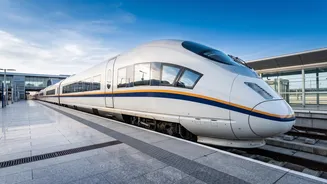
The Vande Bharat Sleeper is not just another train; it's a leap forward in passenger experience, designed to rival even air travel for comfort and convenience on overnight routes. The 16-coach, fully air-conditioned train is designed to accommodate 823 passengers across First, Second, and Third AC classes. The berths are engineered to be wider and better cushioned for superior comfort. Each berth comes with its own reading light and charging points. The train boasts a host of modern amenities, including automatic doors, bio-vacuum toilets with sensor-based taps, CCTV surveillance, and an advanced 'Kavach' anti-collision safety system. For First AC passengers, the experience is elevated further with the inclusion of hot shower facilities.
A Faster, More Premium Alternative
The Vande Bharat Sleeper is designed for a top speed of 180 km/h, though it operates at speeds like 130-160 km/h depending on track infrastructure. This is significantly faster than most conventional long-distance trains. In comparison to established premium trains like the Rajdhani Express, the Vande Bharat Sleeper offers a more modern trainset design with quicker acceleration and deceleration, which helps in reducing overall journey time. While both offer sleeper accommodation and onboard catering, the Vande Bharat Sleeper features more contemporary interiors and passenger amenities. However, this premium experience will come at a slightly higher cost, with fares expected to be about 20% more than a comparable Rajdhani journey. Furthermore, only passengers with confirmed tickets will be allowed to board, with no RAC or waiting list entries permitted.
The Road Ahead for Pune
While the launch of the Mumbai-Bengaluru service with a Pune stop seems imminent for November 2026, the official timetable, final fares, and reservation details are yet to be released by Indian Railways. The tentative schedule suggests a late-night departure from Mumbai, arriving in Pune in the early hours of the morning before proceeding to Bengaluru. The success of this service will heavily depend on convenient timings and competitive pricing. For the proposed Pune-Nagpur sleeper, discussions are still in the early stages, with railway officials acknowledging the high demand but no firm timeline has been set. For now, Pune's passengers can look forward to the concrete possibility of the Bengaluru connection, which marks a significant step in modernizing the region's rail network.