


Sabudana Khichdi
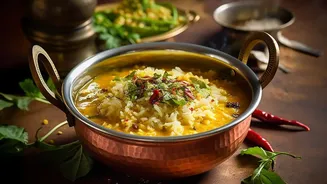
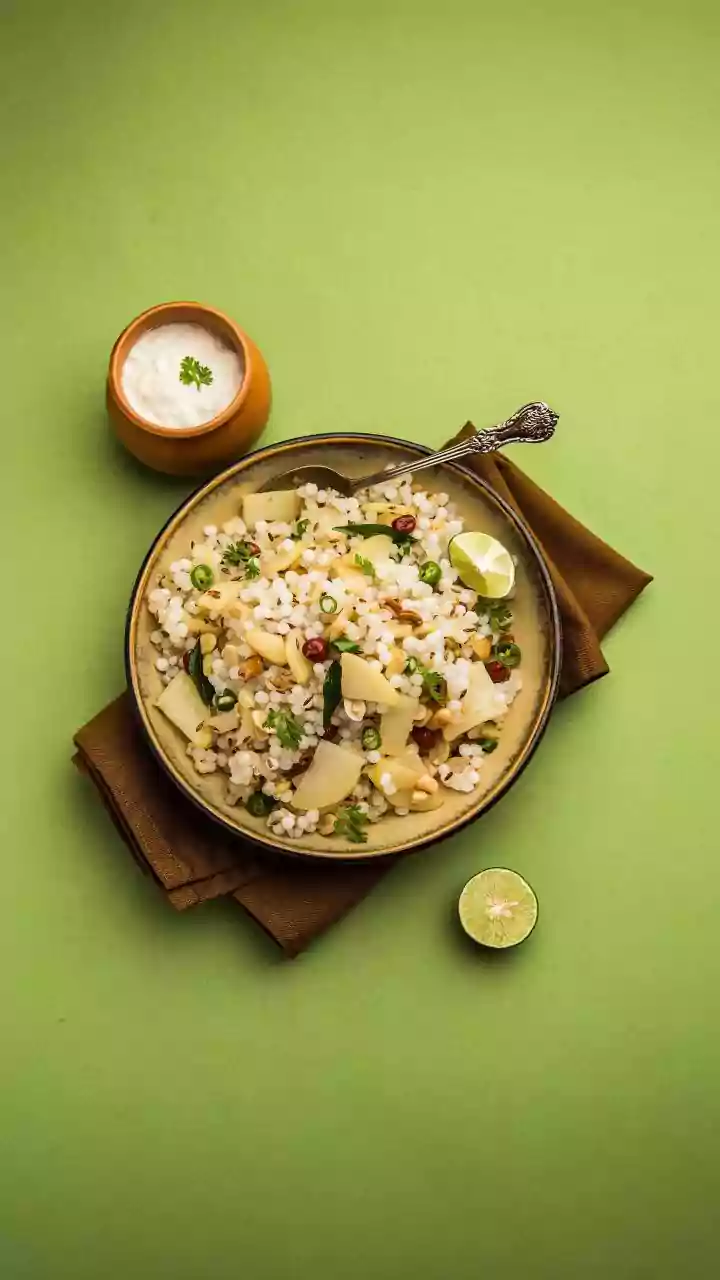
A quintessential fasting dish, particularly popular in Maharashtra, Sabudana Khichdi is a light yet filling preparation that has become synonymous with vrat cuisine across the country. Made from soaked tapioca pearls (sabudana), it is a masterful blend
of textures and flavours. The soft, chewy pearls are tossed with roasted peanuts for crunch, boiled potatoes for substance, and a simple tempering of cumin seeds and green chillies in ghee. This dish provides a quick source of carbohydrates for energy, making it an ideal meal to sustain devotees through fasting days. Its comforting nature and simple, sattvic ingredients perfectly capture the spirit of Sawan.
Kuttu ki Puri
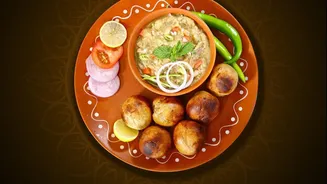
In North India, especially Uttar Pradesh, no Sawan fast feels complete without the hearty presence of Kuttu ki Puri. Made from buckwheat flour (kuttu ka atta), these deep-fried breads are a staple during religious fasts. The flour, which is technically a fruit seed, is permitted during fasts when grains are avoided. It is often kneaded with mashed boiled potatoes and a pinch of rock salt (sendha namak) to create a soft, pliable dough. When fried, the puris puff up, becoming delightfully crispy on the outside while remaining soft within. They are typically served with a simple, vrat-friendly potato curry or plain yogurt, turning a restrictive diet into a fulfilling meal.
Makhane ki Kheer
For those with a sweet tooth, Makhane ki Kheer offers a guilt-free indulgence during Sawan. This creamy dessert, with strong associations to Bihar, uses roasted fox nuts (makhana) as its base. The makhana are simmered in milk until they soften, and the milk itself thickens into a luscious consistency. Sweetened with sugar and delicately flavoured with cardamom and saffron, it's a dessert that is both light and luxurious. Rich in calcium and protein, makhana provides nourishment without being heavy, making this kheer a perfect way to conclude a fasting day meal.
Singhare ka Halwa
Another beloved sweet dish during the fasting season is Singhare ka Halwa. Made from water chestnut flour (singhare ka atta), this rich and comforting halwa provides sustained energy, making it ideal for long fasting days. The flour is first roasted in a generous amount of ghee until it turns aromatic and golden brown. Then, sugar and water are added, and the mixture is cooked until it thickens into a dense, glossy pudding. The result is a uniquely earthy and satisfying dessert that warms the soul, often garnished with nuts for extra texture and richness. It is a classic example of how simple, permitted ingredients can be transformed into something truly special.
Vrat Wale Dahi Aloo
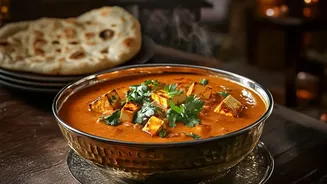
A classic comfort curry, Dahi Aloo is a simple yet flavourful dish that provides a tangy counterpoint to the other foods on a Sawan thali. This preparation features boiled and cubed potatoes simmered in a creamy yogurt-based gravy. Since onions, garlic, and many common spices are avoided, the curry is seasoned with rock salt, cumin seeds, green chillies, and sometimes a pinch of black pepper. The yogurt provides a cooling effect, which is beneficial during the humid monsoon season, while potatoes offer the necessary carbohydrates. This light curry pairs beautifully with Kuttu ki Puri or Rajgira Paratha, creating a wholesome and satisfying meal.
Arbi ki Sabzi
Arbi, or colocasia root, is a versatile vegetable that frequently appears in fasting menus across North India. It can be prepared in various ways, but a simple Arbi Masala Fry is a popular choice. The boiled and flattened arbi is pan-fried in ghee until it becomes crisp and golden. It is then seasoned with vrat-friendly spices like cumin powder, rock salt, and green chillies. This dish offers a wonderful texture and a savoury flavour that is deeply satisfying. It is often enjoyed as a side dish or a snack, showcasing the adaptability of root vegetables in sattvic cooking.
Rajgira Paratha
Rajgira, or amaranth flour, is considered a superfood in the world of fasting ingredients. It is not a true cereal grain, making it permissible during vrat periods. Rajgira Parathas are soft, unleavened flatbreads made by combining amaranth flour with mashed potatoes, green chillies, and rock salt. The dough is gently patted into shape and cooked on a hot tawa with a little ghee until it's cooked through. Packed with protein, calcium, and iron, these parathas are not only delicious but also highly nutritious, helping to maintain energy and strength while fasting.