








The Rise of The 'Health Halo'
That feeling of virtue you get from choosing a snack with a green logo or a 'high-fibre' claim has a name: the 'health halo' effect. It’s a psychological bias where a single positive attribute makes consumers perceive the entire product as healthy, often
ignoring other, less desirable ingredients. A recent study found that many consumers trust these front-of-pack claims without ever turning the package over to read the full nutrition information. Brands have become experts at leveraging this, using buzzwords like 'natural,' 'organic,' or 'multigrain' to create a perception of health, even if the product is high in sugar, sodium, or refined carbohydrates. In June 2026, India's food regulator, FSSAI, issued notices to several companies for using terms like "healthy" on products that may not live up to the claim, highlighting how widespread this issue has become.
Decoding The Buzzwords
What do these popular claims actually mean? It's often not what you think. 'Multigrain' simply means the product contains more than one type of grain; it doesn't guarantee they are whole grains. 'Natural' is a poorly defined term in regulations, allowing for broad interpretation by manufacturers. Even 'No Added Sugar' can be tricky. A product might not contain white table sugar but could be packed with fruit juice concentrates or syrups, which are still forms of sugar. Similarly, a 'cholesterol-free' claim on a bag of potato chips is technically true since vegetable oils are naturally free of cholesterol, but it can create a misleading impression of heart health for a product that might be high in fat and salt. For a product to be truly 'organic' in India, it must carry a certification logo like the Jaivik Bharat logo.
The Regulator Steps In
The Food Safety and Standards Authority of India (FSSAI) is aware of the confusion. For years, there has been a push for a clearer, mandatory Front-of-Pack Labelling (FoPL) system. The goal is to help consumers quickly understand if a product is high in fat, sugar, and salt (HFSS). However, the exact format of this labelling is a subject of intense debate. Public health experts advocate for clear warning labels, similar to those used in countries like Chile, which explicitly state if a product is 'High in Sugar'. Conversely, there is a proposal for a Health Star Rating (HSR) system, which would rate foods from half a star to five stars based on their overall nutritional profile. Critics argue this star system could be manipulated by adding 'positive' nutrients to an otherwise unhealthy product and may still confuse consumers.
A Battle of Interests
This debate highlights the core conflict. On one side are consumer health advocates and medical professionals who argue that rising rates of non-communicable diseases linked to poor diets necessitate clear, unambiguous warnings. On the other side is the powerful packaged food industry, which fears that strict warning labels could negatively impact sales. The industry has lobbied for other formats, like providing Guideline Daily Amount (GDA) percentages, a move some experts say is less effective as this information is already available in complex charts on the back of the pack. This has led to a regulatory stalemate, with consumers caught in the middle, navigating a market where packaging often serves marketing more than it does information.
How To Be A Smarter Snacker
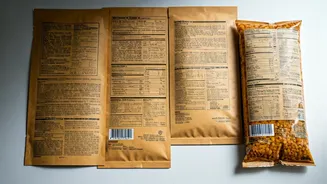
While the larger battle over labelling regulations continues, you can empower yourself. First, ignore the flashy claims on the front. Turn the pack over and read the ingredients list. Ingredients are listed in descending order by weight, so the first few items make up the bulk of the product. Look for hidden sugars, salts, and unhealthy fats. Next, look at the nutritional information panel. Pay attention to the 'per 100g' column for an accurate comparison between products, and check the serving size—it's often smaller than you think. Finally, be sceptical of any product that relies heavily on health buzzwords to sell itself. True health often comes from whole, unprocessed foods that don't need a label to tell you they're good for you.