






What Are Functional Foods Anyway?
First, let's decode the jargon. 'Functional foods' are simply foods that offer health benefits beyond basic nutrition. Think of them as food with a job to do, whether it's boosting immunity, improving gut health, or reducing inflammation. This isn't a new
concept. The term originated in Japan in the 1980s, but the principle is ancient. For centuries, traditional Indian diets have incorporated foods and spices for their medicinal properties. What's changing is that this age-old wisdom is now being packaged into convenient, modern formats that fit today's fast-paced lifestyles.
The Homecoming of 'Superfoods'
For a long time, the global wellness industry was dominated by ingredients like quinoa, kale, and acai berries. While beneficial, they often felt foreign and were expensive to import. A quiet revolution has been brewing, with Indian consumers and brands turning inwards. There is a growing preference for the naturalness and familiarity of local ingredients. This shift is driven by a renewed confidence in traditional knowledge systems like Ayurveda and a desire for authenticity. The global validation of ingredients like turmeric and ashwagandha has only strengthened this trend, creating a booming market for products that are both modern in form and deeply traditional in essence.
Meet the New Heroes of Wellness
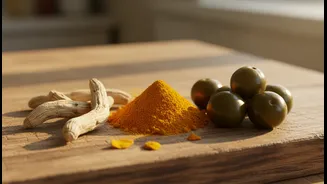
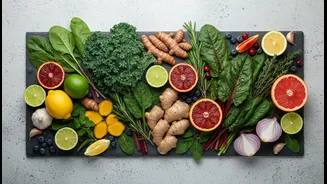
The stars of this new wellness wave are ingredients that have been in Indian kitchens and medicine cabinets for generations. Turmeric, with its powerful anti-inflammatory compound curcumin, is now found in everything from ready-to-drink 'golden milk' to sparkling beverages. Amla, or Indian gooseberry, a potent source of Vitamin C, is being marketed in powders, capsules, and juices for its immunity-boosting properties. Ashwagandha, a revered adaptogen known for its stress-reducing qualities, is a popular addition to everything from gummies to ghee. Other ingredients like moringa, tulsi (holy basil), and millets are also gaining prominence, celebrated for their nutrient-dense profiles.
From Kitchen Staples to Convenient Formats
The real innovation lies in how these traditional ingredients are being presented to the modern consumer. While our grandmothers may have prepared haldi doodh on the stovetop, today you can find it as a pre-mixed latte or a convenient shot. This evolution is key to their growing popularity. The post-pandemic era has seen a surge in health awareness, but also a demand for convenience. Brands are responding by incorporating these powerful Indian ingredients into snack bars, fortified drinks, breakfast cereals, and even chocolates, making it easier than ever for consumers to integrate wellness into their daily routines. This blend of ancient wisdom and modern convenience is proving to be a winning formula.
Trust, Transparency, and the Way Forward
This trend is more than just a marketing gimmick; it's about building trust. Consumers are increasingly scrutinizing labels and prefer clean, natural, and recognizable ingredients. The familiarity of amla or ginger provides a level of comfort and trust that imported, unfamiliar ingredients often cannot. This has also spurred a greater focus on quality and sourcing. For instance, recent regulations by the FSSAI have specified that only the roots of ashwagandha, which are traditionally recognized in Ayurveda for safety and efficacy, can be used in food products, banning the use of its leaves. This move towards standardization and transparency ensures that consumers are getting products that are not only effective but also safe, further cementing the place of Indian ingredients in the global wellness landscape.