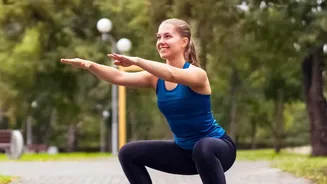

The Foundational Bodyweight Squat
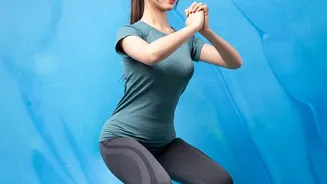
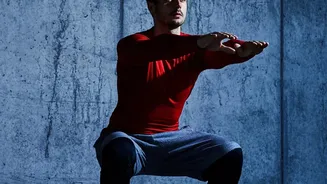
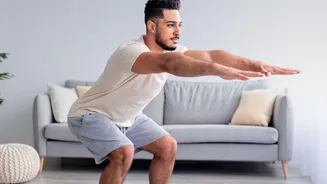
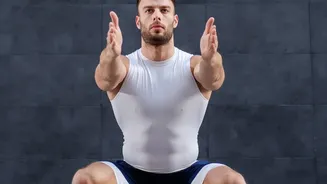
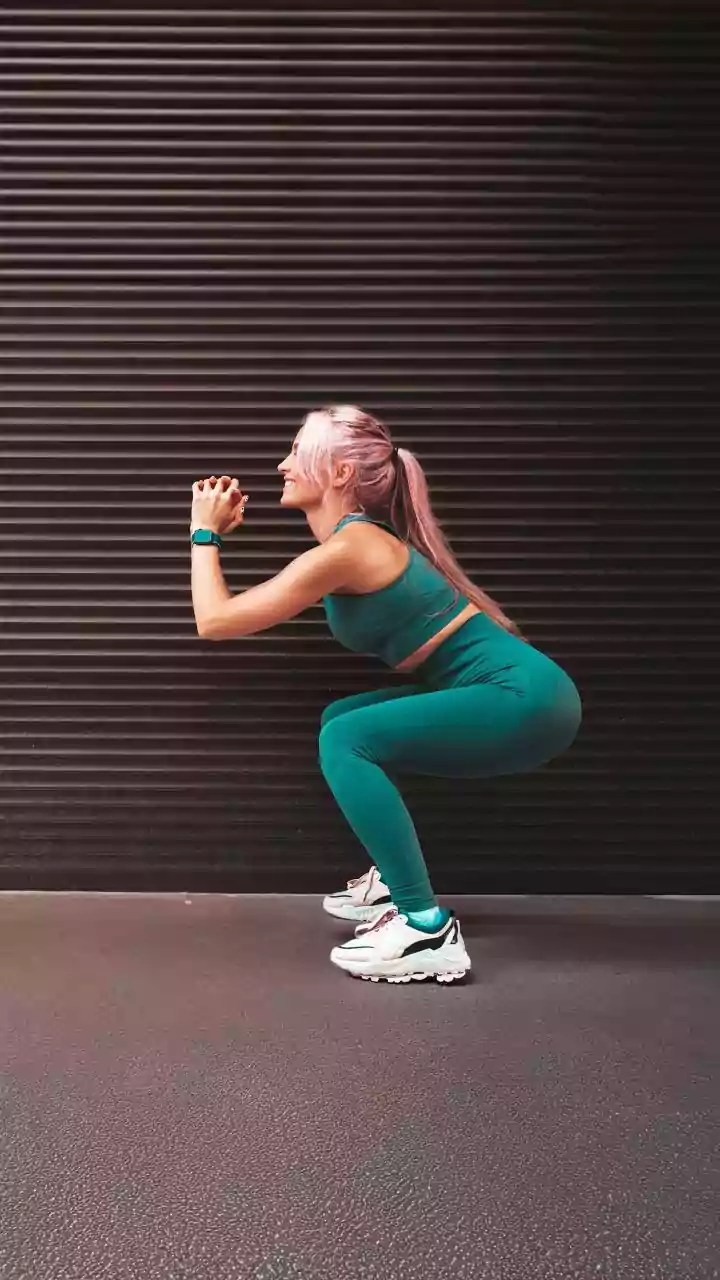
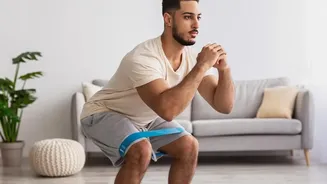
The squat is a fundamental movement that strengthens your entire lower body, including your thighs, hips, and glutes, as well as your core. To perform a bodyweight squat correctly, stand with your feet shoulder-width apart, with your toes pointing slightly
outwards. Keeping your chest up and your back straight, lower your hips as if you are sitting back into a chair. Aim to get your thighs parallel to the floor, ensuring your knees track in line with your toes and do not extend past them. Push through your heels to return to the starting position. Focus on controlled movement rather than speed. If you are a complete beginner, you can practice by squatting onto a chair and standing back up to master the form.
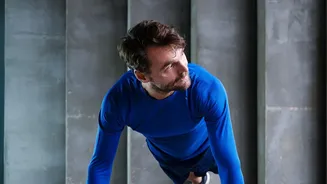
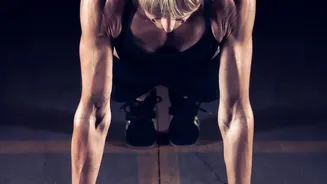
The Classic Push-Up
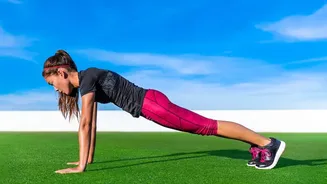
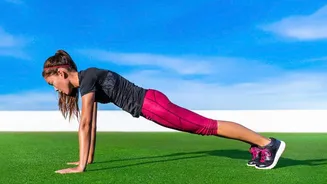
Push-ups are one of the most effective exercises for building upper body and core strength, targeting your chest, shoulders, and triceps. To begin, get into a high plank position with your hands placed slightly wider than your shoulders. Your body should form a straight line from your head to your heels. Engage your core and glutes, and lower your body until your chest is close to the floor, keeping your elbows from flaring out too wide. Push back up to the starting position with power. If a full push-up is too difficult, you can start by doing them on your knees or performing them against a wall or elevated surface like a sturdy table.
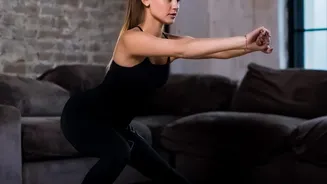
The Essential Lunge
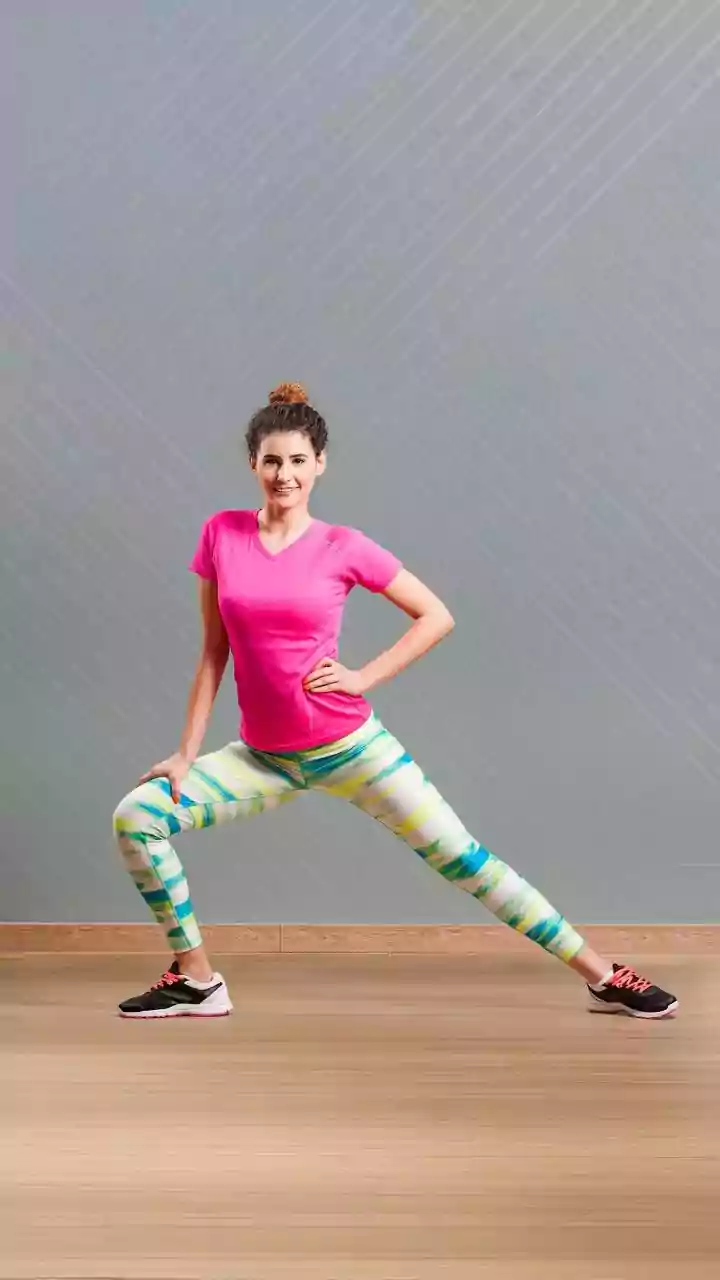
Lunges are excellent for improving balance, coordination, and building strength in your legs and glutes individually. Start by standing tall. Step one foot forward and lower your hips until both knees are bent at approximately a 90-degree angle. Your front knee should be directly above your ankle, and your back knee should hover just above the ground. Keep your torso upright and your core engaged. Push off your front foot to return to the starting position, and then repeat on the other side. For beginners, it's helpful to hold onto a wall or chair for support until your balance improves.
The Powerful Plank
The plank is an isometric exercise that is incredible for developing core strength and stability, which is crucial for good posture and preventing back pain. To do a forearm plank, place your forearms on the floor with your elbows directly under your shoulders. Extend your legs back, resting on your toes. Your body should form a rigid, straight line from your head to your heels. It's important to engage your abdominal muscles and glutes to prevent your hips from sagging or rising too high. Hold this position for as long as you can maintain good form, starting with 20-30 seconds and gradually increasing the time as you get stronger.
The Superman for Back Strength
While many bodyweight exercises focus on the front of the body, it's vital to strengthen your back as well. The 'Superman' exercise targets your lower back, glutes, and hamstrings. Lie face down on the floor with your arms extended in front of you and your legs straight behind you. Simultaneously lift your arms, chest, and legs off the floor, keeping your neck in a neutral position. You should feel the muscles in your lower back contracting. Hold for a few seconds before slowly lowering back down. This movement helps improve posture and builds a foundation for more advanced back exercises.
Putting It All Together
Consistency is more important than intensity when you are just starting out. You don't need to spend hours exercising to see results. Try creating a simple routine by combining these exercises. For example, you could perform two to three sets of 10-15 repetitions for squats, push-ups, and lunges, followed by two to three plank and superman holds. Listen to your body and rest when you need to. As you get stronger, you can increase the number of reps, sets, or the duration of holds. The goal is to build a sustainable habit that makes you feel stronger and more confident in your body's abilities.