





A New Nocturnal Pilgrimage
Across the country, a fascinating trend is taking hold. From the rugged citadels of Rajasthan to the sprawling fortresses of the Deccan, groups of photographers, history enthusiasts, and adventurers are organising “photo crawls” in the dead of night.
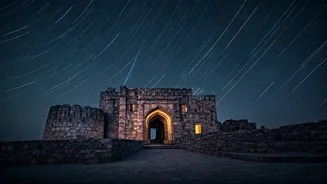
These are not illicit trespasses, but often carefully planned excursions, sometimes in collaboration with local authorities or heritage groups. The goal is simple yet profound: to capture the soul of these stone giants under the vast, dark canvas of the night sky. The participants are a diverse mix, ranging from professional architectural photographers honing their craft to hobbyists seeking a unique weekend adventure. They gather in hushed anticipation, their headlamps carving fleeting paths of light on centuries-old stone, ready to transform the familiar into the magical.
The Forts After Dark
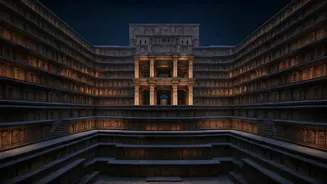
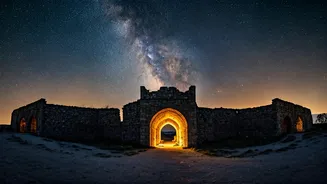
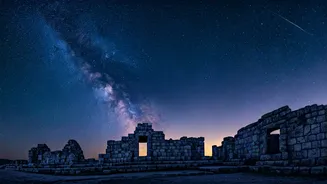
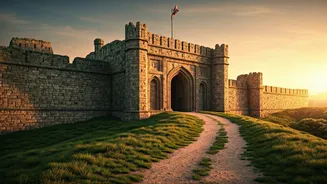
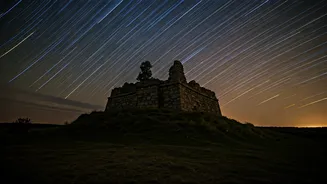
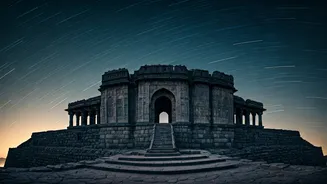
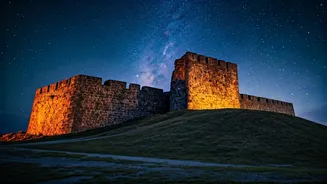
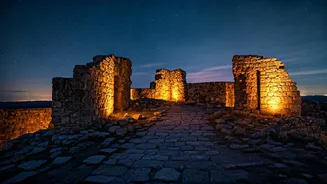
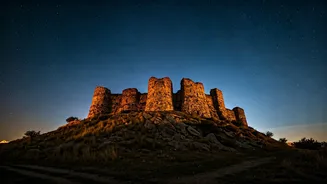
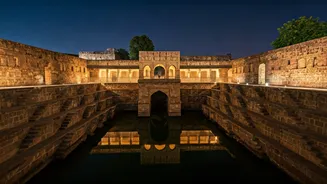
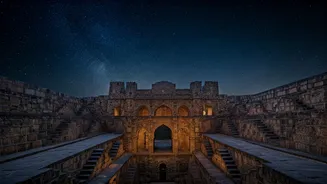
By day, forts like Mehrangarh or Golconda are bustling hubs of tourism, echoing with the footsteps and chatter of thousands. By night, they are transformed into entirely different realms. The oppressive heat of the day gives way to a cool, gentle breeze that whispers through empty courtyards and crumbling watchtowers. Without the distraction of crowds, the sheer scale and architectural genius of these structures become overwhelmingly apparent. Every archway, every jaali screen, and every imposing bastion tells a story, and in the quiet of the night, those stories feel closer than ever. Photographers use the moon, the stars, and sometimes their own carefully controlled lighting to paint these scenes, revealing textures and contours that are invisible under the harsh light of the sun. The resulting images are often ethereal, dramatic, and deeply evocative, showing a side of our heritage that is both timeless and otherworldly.
The Art of Painting with Light
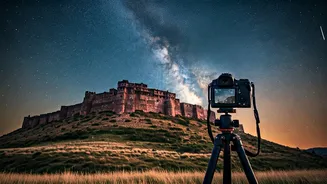
Creating these spectacular images is an art form in itself, a technique known as long-exposure photography or 'light painting.' The process involves setting a camera on a sturdy tripod and opening its shutter for an extended period—anywhere from thirty seconds to several minutes. During this time, the camera’s sensor 'collects' all available light. This allows the faint light of the stars to register as bright points and the moon to cast soft, sculptural shadows. More creatively, photographers can walk through the scene with torches, coloured gels, or even sparklers to literally 'paint' light onto specific parts of the architecture. A wall can be bathed in a warm amber glow, an archway traced with a stroke of blue light. It’s a meticulous, almost meditative process that combines technical skill with artistic vision. Each successful photograph is a victory over darkness, a unique collaboration between the photographer, the technology, and the ancient monument.
More Than Just a Photograph
For the participants, these midnight crawls are about much more than just getting a good shot. They represent a powerful new way to connect with history. Standing in the silent heart of a 500-year-old fort, under a canopy of stars that have watched over it since its construction, is a humbling experience. It fosters a sense of intimacy and reverence that is impossible to achieve during a crowded daytime tour. There’s also a strong sense of community. Strangers bond over shared challenges—nailing the focus in the dark, finding the perfect composition, and warding off the occasional curious bat. They share tips, collaborate on lighting setups, and collectively gasp when a stunning image appears on the back of a camera screen. It's an adventure, a creative outlet, and a history lesson all rolled into one.
Safety and Respectful Shooting
Of course, these nocturnal adventures come with their own set of rules and responsibilities. Safety is paramount. Navigating uneven, ancient terrain in the dark requires caution, and groups always move together. More importantly, there is the duty to respect the heritage site. Professional organisers and responsible groups are meticulous about obtaining the necessary permissions from the Archaeological Survey of India (ASI) or the trusts that manage these properties. The mantra is 'leave no trace,' ensuring that the only things they take are photographs and the only things they leave behind are footprints. This respectful approach is crucial for ensuring that these unique experiences can continue, allowing future generations to also see these magnificent structures in a new light.