







From Coastal Staple to Urban Star
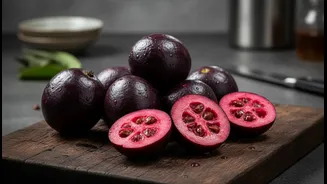
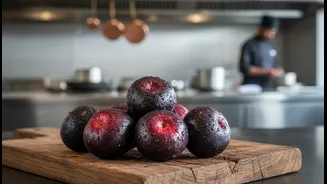
Not long ago, for many Indians outside the western coastal states, kokum was simply “South ki imli”—a regional souring agent you might encounter in a Goan fish curry. Traditionally used in cooling sherbets and to add a tart finish to dals, its identity
was deeply rooted in home kitchens. Today, that’s changing dramatically. A larger culinary movement celebrating indigenous ingredients is pulling kokum from relative obscurity into the mainstream. Chefs and mixologists, looking to create uniquely Indian flavour profiles, are drawn to its distinct character. Unlike tamarind's heavy sweetness or lime's sharp citrus punch, kokum offers a clean, fruity acidity and a beautiful ruby hue, making it a versatile tool for modern culinary creation. This shift is also fuelled by a new generation of curious diners, eager to connect with regional produce in new and exciting formats.
The New Kokum Menu: Coffee, Cocktails, and More
So, what does kokum’s modern makeover look like on the menu? The most visible transformation is happening behind the bar. Bartenders are replacing artificial sours with kokum-based syrups, shrubs, and infusions to create cocktails with a distinct sense of place. You can now find it in everything from a Kokum Club at Foo in Mumbai to a Kokum & Curry Leaf G&T at Bengaluru's Janot. Its tartness pairs beautifully with gin, tequila, and even whisky. But its journey doesn't end with cocktails. Creative chefs are using it in savoury dishes, from Japanese-inspired cold ramen where it replaces traditional broth elements, to glazes for pork ribs. It’s even making its way into specialty coffee, where kokum concentrate is blended with cold brews to create refreshing, layered tonics that cut through the coffee's bitterness. Confectioners, too, are using it in gummies and chocolate fillings, where its acidity naturally balances sweetness.
Wellness in a Glass
Kokum’s appeal isn't just about flavour; it's also deeply connected to the modern wellness movement. Traditionally valued in Ayurveda for its cooling properties and as a digestive aid, these benefits are finding a receptive audience today. The fruit is a rich source of antioxidants, particularly garcinol and anthocyanins, which help combat oxidative stress in the body. It is also known to have anti-inflammatory properties and is low in calories while being high in fibre. Furthermore, kokum contains hydroxycitric acid (HCA), a compound studied for its potential role in managing appetite and boosting metabolism. As consumers increasingly seek out functional foods and beverages, kokum's impressive nutritional profile makes it more than just a tasty ingredient—it's a wellness powerhouse.
A Celebration of Indian Terroir
The rise of kokum is part of a broader, exciting trend in Indian gastronomy: a confident turn inwards. Instead of constantly borrowing from global pantries, chefs are championing the incredible diversity of India's own produce, from gondhoraj lime to regional chillies. This movement is about more than just novelty; it's about telling a story of origin, sustainability, and cultural pride. By showcasing ingredients like kokum, restaurants and cafes are offering a taste of India's specific terroir, connecting diners to the landscapes and communities where these ingredients grow, primarily the Western Ghats. This not only educates palates but also supports local farming economies. As this trend continues, kokum stands as a perfect example of how an ancient ingredient can be thoughtfully and creatively reinvented for the modern age, proving it's far more than just a substitute for tamarind.