





Bhutta (Corn on the Cob)
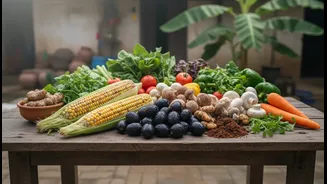
Across India, the arrival of rain is synonymous with the smoky aroma of bhutta roasting on a street corner. This simple snack of charcoal-roasted corn, slathered with lime juice, salt, and a pinch of chilli, is a monsoon ritual. While corn is grown throughout
the year, it becomes particularly popular during the rainy season. Not just a delicious treat, corn is also a good source of fibre, which aids digestion—a common concern during the monsoon. It's packed with nutrients that support overall health, making it one of the most enjoyable and sensible snacks of the season.
Jamun (Java Plum)
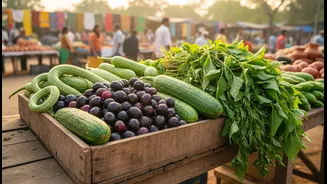
The deep purple Jamun, or Java Plum, is a quintessential monsoon fruit. Its short season, from mid-May to August, aligns perfectly with the summer and rainy months. This small, tart fruit has a uniquely astringent taste that leaves a memorable stain on the tongue. Traditionally, Jamun is celebrated for its numerous health benefits, particularly in Ayurvedic practices for its cooling properties. It's rich in iron, Vitamin C, and antioxidants like anthocyanins, which give the fruit its dark colour. These nutrients are believed to boost immunity and help manage blood sugar levels, making it a prized seasonal delicacy.
Karela (Bitter Gourd)
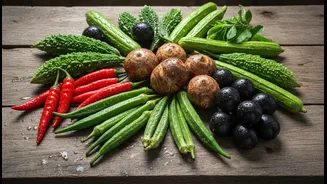
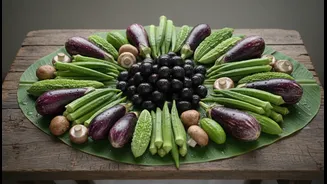
While its bitterness might not be for everyone, Karela is a vegetable that doctors and nutritionists strongly recommend during the monsoon. Harvested around July, its peak season coincides with the rains. The bitter compounds in this gourd are believed to have antiviral and antibacterial properties, which are especially valuable when the risk of infections is high. Packed with antioxidants and Vitamin C, it helps boost the immune system. It is also excellent for digestive health, helping to cleanse the system and prevent common monsoon ailments.
Patra (Colocasia Leaves)
Colocasia, known as arbi in many parts of India, produces large, heart-shaped leaves that become a culinary star during the monsoon. These leaves are used to make Patra, a popular snack in Gujarat and Maharashtra, also known as Patrode in Karnataka. The preparation involves spreading a spiced gram flour paste on the leaves, which are then rolled, steamed, and often fried. The process of steaming is crucial to neutralize the calcium oxalate in the leaves, which can cause itchiness. The result is a delicious snack that offers a unique combination of tangy, sweet, and spicy flavours.
Wild Mushrooms
The damp, humid conditions of the monsoon trigger the growth of various wild mushrooms across India, foraged by local communities for their unique flavours. Varieties like 'Roen Olmi' in Goa, which grow on termite hills, are a celebrated delicacy. In Jharkhand, 'Rugda' mushrooms, resembling small pebbles, are foraged from the forest floor after the first thunderstorms. These seasonal fungi have a meaty texture and an earthy taste that is impossible to replicate with commercially grown varieties. They are often cooked in spicy, robust curries, providing a perfect, warming meal for a rainy day.
Pomegranate (Anar)
Although available for a longer season, pomegranates are particularly beneficial to consume during the monsoon. These jewel-toned seeds are packed with antioxidants and Vitamin C, which play a crucial role in supporting the immune system during a time when infections are more common. The fruit is valued for its ability to help increase haemoglobin levels and improve blood circulation. Pomegranates are also a good source of dietary fibre, which supports digestive health, making them a wise and delicious addition to a rainy-day diet.