








The Myth of the 'Anabolic Window'
For decades, fitness culture has been dominated by the concept of the “anabolic window.” This theory suggests there is a brief, 30 to 60-minute period immediately following a workout where the body is uniquely primed to absorb protein and carbohydrates
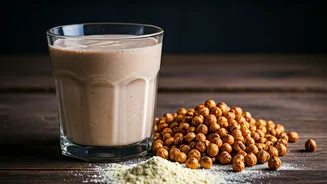
for muscle repair. The belief is that consuming nutrients within this tight timeframe is crucial to maximize muscle protein synthesis (the building of muscle) and prevent muscle breakdown. This idea, heavily promoted by supplement companies and gym folklore, created a sense of urgency, leading many to believe that missing this window would mean wasting their workout entirely. The classic image of someone frantically chugging a protein shake in the locker room is a direct result of this widely held belief.
What the Science Actually Says
Modern research has largely debunked the idea of a strict 30-minute anabolic window. While it's true that resistance training elevates muscle protein synthesis, this enhanced state lasts much longer than previously thought—often for 24 to 48 hours after a workout. This means your body remains receptive to protein for many hours, not just a few minutes. A landmark meta-analysis published in the Journal of the International Society of Sports Nutrition found that when total daily protein intake was accounted for, the supposed benefits of immediate post-workout protein largely disappeared. Think of it less like a tiny, closing window and more like a large, open garage door that stays available for several hours.
Focus on the Real MVP: Total Daily Intake
The scientific consensus has shifted focus from *when* you eat protein to *how much* you eat throughout the day. For building and maintaining muscle, achieving your total daily protein target is far more important than precise timing. General guidelines for active adults suggest an intake of around 1.6 to 2.2 grams of protein per kilogram of body weight daily. Studies have repeatedly shown that as long as this daily goal is met, differences in timing have no significant impact on muscle mass or strength gains. In essence, one perfectly timed shake cannot make up for a diet that is consistently low in protein overall.
The Smart Strategy: Spread Your Protein Out
While obsessing over a 30-minute window is unnecessary, there is a strong case for distributing your protein intake evenly throughout the day. Consuming 20 to 40 grams of high-quality protein every three to four hours helps to consistently stimulate muscle protein synthesis and prevent muscle breakdown. This approach provides your muscles with a steady supply of amino acids—the building blocks of protein—for ongoing repair and growth. A 2023 study from the All India Institute of Medical Sciences (AIIMS) noted that 68% of Indian adults improved their muscle protein synthesis by spreading their intake across major meals. This method also aids in stabilizing blood sugar levels and promoting satiety, which can help manage cravings and overall energy.
So, Should Anyone Stress About Timing?
For most people with regular fitness routines, the answer is no. However, precise timing can offer a marginal edge in specific situations. Elite athletes training multiple times a day or individuals who train in a fasted state (for example, first thing in the morning without eating) may benefit from consuming protein shortly after their session to kickstart recovery. There is also growing evidence for the benefits of pre-sleep protein. Consuming 30-40 grams of a slow-digesting protein like casein before bed can effectively stimulate muscle protein synthesis overnight, a period when it is typically low. This can improve overall recovery and help augment gains in muscle mass and strength over time.