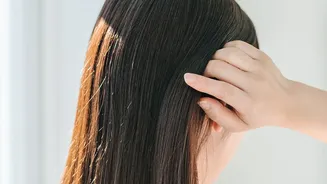





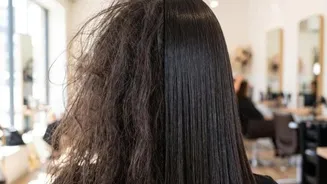

As temperatures drop, do you find your hair becoming dry, static-prone, and brittle? You're not alone. The combination of cold outdoor air and dry indoor heat can wreak havoc on your strands, but a simple shift in your routine can prevent the damage.
The Cold, Hard Truth About Winter Hair
Understanding why your hair struggles in winter is the first step to fixing it. The primary culprit is a lack of humidity. Cold air holds significantly less moisture than warm air, and indoor heating systems make the air inside even drier. Your hair is hygroscopic, meaning it exchanges moisture with the air around it. When the air is dry, it draws moisture out from the core of your hair strand. This causes the protective outer layer, the cuticle, to lift and become rough. The result is hair that feels brittle, looks dull, and is prone to static, frizz, and breakage.
Rethink Your Shampoo: The Gentle Cleansing Revolution
Many shampoos contain sulfates, which are strong detergents effective at removing dirt and oil. While great for a deep clean, they can also strip your hair of its natural, protective oils. In winter, when your hair is already vulnerable and dehydrated, this can be particularly damaging. Switching to a sulfate-free, hydrating shampoo helps cleanse your hair and scalp gently without stripping away essential moisture. These milder formulas help maintain your scalp's natural balance and leave your hair's moisture barrier intact. You might also consider washing your hair less frequently, perhaps two to three times a week, to allow your natural oils to provide protection.
Anoint Your Strands: The Power of Protective Oils
Oils are a cornerstone of any effective winter haircare routine. They work in two main ways: some oils, like coconut oil, have small molecules that can penetrate the hair shaft to moisturize from within, while others, like castor oil, are thicker and work to seal the cuticle, locking in moisture and protecting it from the dry environment. Regular oiling can improve blood circulation in the scalp, nourish follicles, reduce breakage, and restore shine. The key is choosing the right oil for your hair type and needs.
Application Is Everything: Using Oils Effectively
How you apply oil is just as important as which one you choose. For deep nourishment, a pre-shampoo treatment is highly effective. Simply massage a nourishing oil like coconut, almond, or argan oil into your scalp and through the lengths of your hair 30 minutes to an hour before washing. This protects your strands from the drying effects of shampoo. For daily maintenance, a few drops of a lightweight oil like argan oil can be used on damp or dry hair to tame frizz and add shine. If you have very fine hair, concentrate the oil on your ends to avoid weighing down your roots. For thicker or curlier hair, oils can be used more liberally to define texture and seal in hydration.
Your Complete Winter Hair Armour
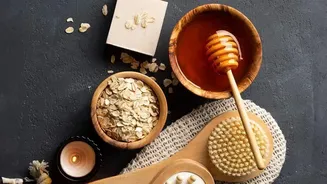
Beyond gentle cleansers and oils, a few extra habits will fortify your hair against the cold. Always rinse with lukewarm, not hot, water, as high temperatures can strip moisture. Incorporate a weekly deep conditioning mask to replenish hydration. Protect your hair from friction by wearing a silk or satin-lined hat and sleeping on a silk pillowcase. Finally, using a humidifier in your home can add moisture back into the air, benefiting not just your hair, but your skin as well.