





A Nationwide Health Awakening
The single biggest driver is a collective shift towards health and wellness. Across urban India, consumers are more conscious than ever about what they eat, seeking foods that offer functional benefits beyond basic nutrition. This isn't about extreme
dieting but a move towards cleaner eating and preventive health. Foods rich in protein, fibre, and essential nutrients are in high demand as people look for ways to boost immunity, manage weight, and improve gut health. This growing awareness has created the perfect market for products that are perceived as naturally healthy and beneficial for long-term well-being.
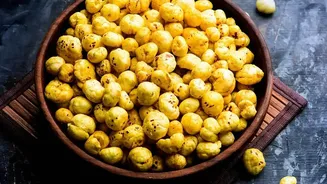
Makhana: From Fasting Food to Super-Snack
Makhana, or fox nuts, has undergone a remarkable transformation. Traditionally consumed during religious fasts, it has been repositioned as a mainstream, guilt-free snack. Its appeal lies in a powerful combination: it's light, crunchy, and satisfies the craving for a savoury snack without the grease and guilt of fried alternatives like potato chips. Brands have accelerated this by launching flavoured varieties like peri-peri and pudina, directly competing with traditional namkeen on taste. Moreover, the fitness community has embraced makhana for its strong nutritional profile—it's high in protein and fibre, low in fat, and naturally gluten-free. As a result, the Indian makhana market is projected to grow significantly.
Millets Make a Mighty Comeback
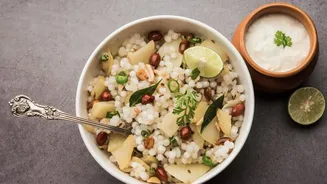
Ancient grains like jowar, bajra, and ragi are experiencing a major resurgence, moving from niche, regional staples to national heroes. This comeback is fuelled by a few key factors. Government initiatives, including the celebration of an International Year of Millets, have significantly raised their profile. Consumers are drawn to their health benefits: they are high in fibre, have a low glycemic index (making them suitable for diabetics), and are rich in minerals. As a gluten-free alternative to wheat and rice, millets are also tapping into a growing wellness trend. This versatility has allowed them to appear in everything from breakfast cereals and dosa mixes to cookies and crackers, making them an easy swap in the modern diet.
Greek Yoghurt and the Protein Obsession
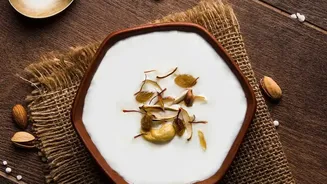
The rise of Greek yoghurt is tied to the urban Indian consumer's growing focus on protein. Unlike traditional dahi or sweetened yoghurts, Greek yoghurt is strained, resulting in a thicker, creamier product with roughly double the protein content. This has made it a favourite among fitness enthusiasts as a post-workout recovery food and a staple for busy professionals seeking a filling, nutritious, and convenient snack or light meal. The demand for high-protein, low-sugar options has reshaped the dairy aisle, with Greek yoghurt and other high-protein yogurts steadily replacing sweeter, dessert-like dairy snacks in urban refrigerators.
The Power of Marketing and Social Media
This dietary shift isn't happening in a vacuum. It is amplified by savvy marketing and the pervasive influence of social media. Food bloggers, health influencers, and nutritionists constantly highlight the benefits of these foods, shaping consumer perceptions and setting trends. Visually appealing posts and reels on platforms like Instagram have turned these ingredients into aspirational lifestyle products. Furthermore, the rise of quick commerce and online grocery platforms has made these items more accessible than ever, allowing brands to reach consumers directly in Tier-1 and Tier-2 cities and turning a niche interest into a widespread consumer movement.