

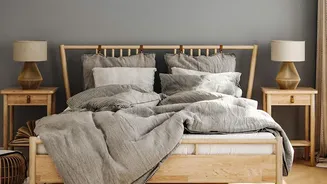
Understanding the Appeal of Warm Minimalism
Before diving into its rustic cousin, it’s important to understand what set the stage. Warm minimalism is a softer take on traditional minimalist design. Instead of stark whites and empty spaces, it prioritizes a serene and inviting atmosphere. The core
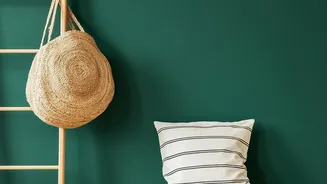
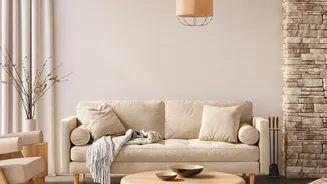
idea remains the same: simplify, declutter, and focus on functionality. However, it achieves this with a cozier toolkit. Think earthy color palettes with shades of beige, soft greens, and terracotta, which create a soothing backdrop. Natural materials are essential, with wood, stone, linen, and wool used to add texture and warmth, softening the clean lines that minimalism is known for. The goal is to create a space that feels streamlined but lived-in, balancing simplicity with sensory richness.
What Exactly Is Scandi-Farmhouse?
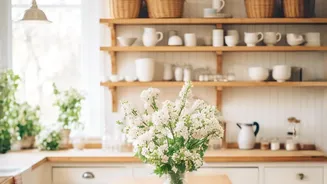
Scandi-Farmhouse is the aesthetic child of two of the most popular styles of the last decade: Scandinavian design and modern farmhouse. On one hand, you have the Scandinavian principles of simplicity, functionality, and a deep appreciation for natural light. This involves clean lines, minimal ornamentation, and a clutter-free approach. On the other hand, modern farmhouse brings rustic charm, a sense of history, and an emphasis on cozy, practical living. It’s defined by elements like natural wood, comfortable furnishings, and a welcoming, family-focused feel. When combined, these two aesthetics create something new. Scandi-Farmhouse takes the bright, airy, and uncluttered foundation of Nordic design and layers it with the warmth, texture, and practicality of a farmhouse. The result is a look that is both refined and relaxed.
More Comfort, Less Curation
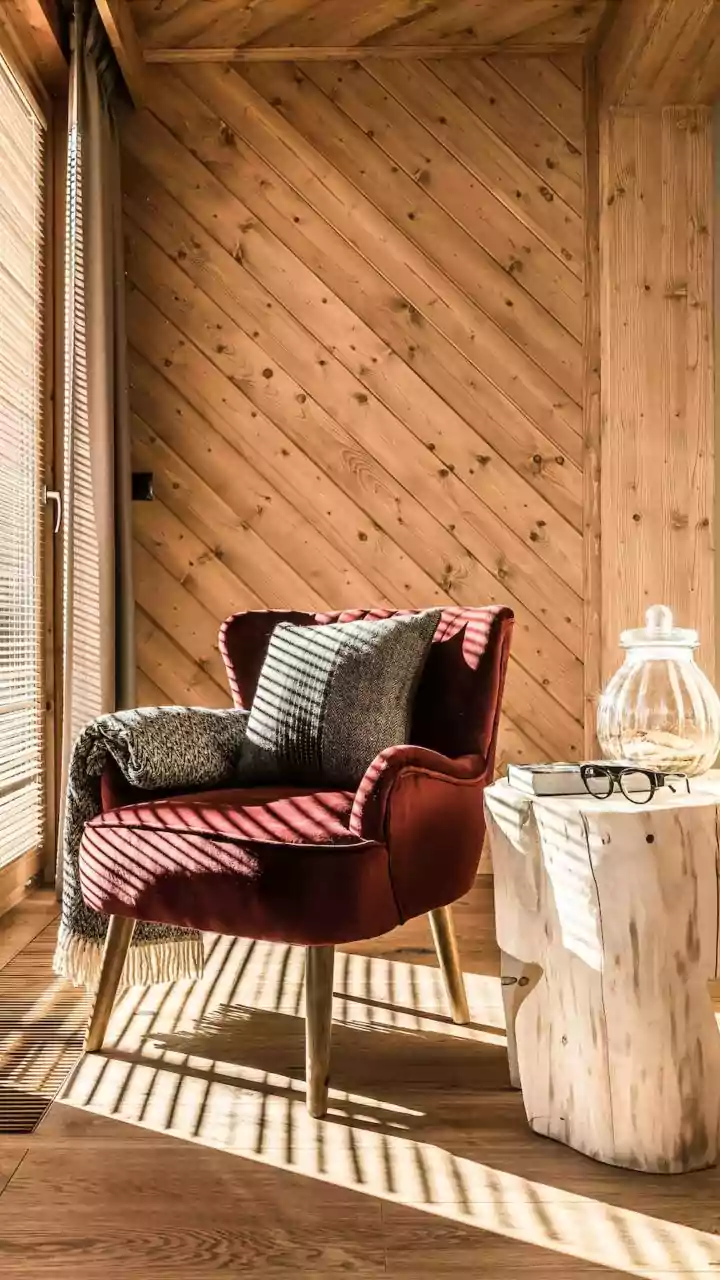
This is where the trend really changes the conversation. While warm minimalism successfully fought back against the cold, sterile reputation of its predecessor, it can still feel highly curated and, at times, a little too perfect. Scandi-Farmhouse pushes the boundaries of comfort even further. The 'farmhouse' influence injects a level of unpretentious, lived-in ease. It’s less about achieving a flawless magazine-ready look and more about creating a genuinely functional and relaxing home. The style embraces the occasional imperfection—the worn texture of reclaimed wood, the comfortable heft of a chunky knit throw, or the simple utility of a classic Windsor chair. It’s a space designed for real life, where comfort is just as important as aesthetics.
Building the Look: Key Elements
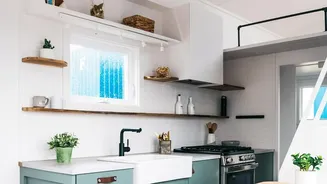
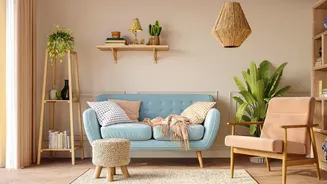
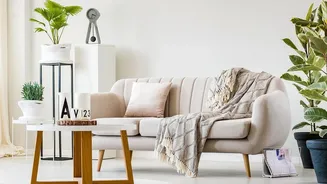
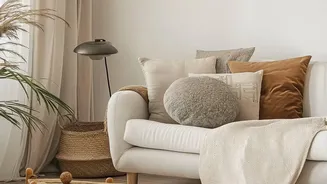
Creating a Scandi-Farmhouse feel is about balancing key elements from both styles. Start with a neutral Scandinavian color palette of whites, creams, and light greys to maximize brightness and create an airy feel. Then, introduce warmth and texture through functional pieces. Light-toned woods like oak and ash are perfect for floors, dining tables, and coffee tables, bringing in a natural element that is central to both aesthetics. For textiles, think natural and cozy: linen curtains, wool rugs, and plush throws add layers of comfort. The farmhouse side comes through in details like simple, functional furniture, perhaps a slip-covered sofa or a sturdy farm table. Contrast is also key; small touches of matte black in lighting fixtures or window frames can add a modern edge that keeps the rustic elements from feeling dated.