






Choose Plants Suited for Balconies
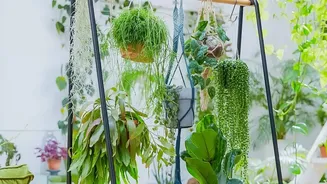
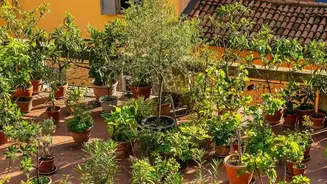
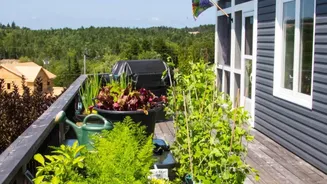
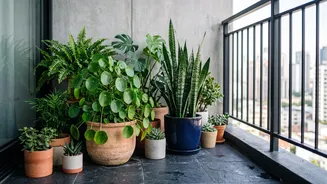
The first step to a successful balcony garden is selecting the right plants. Not all plants can handle the specific conditions of a balcony, which can include more wind and direct sun than a garden on the ground. For sunny Indian balconies, hardy choices
like Bougainvillea, Marigold, Hibiscus, and Tulsi (Holy Basil) are excellent. If your balcony is more shaded, consider plants like Money Plant (Pothos), Snake Plant, and Spider Plant, which thrive in indirect light. For smaller spaces, compact plants like Aloe Vera, Geraniums, or various herbs are ideal. Starting with 3-4 easy plants helps you learn without feeling overwhelmed.
The Right Home: Pots and Soil
Your plant's container is its world. The most critical feature of any pot is proper drainage. Ensure every container has holes at the bottom to prevent waterlogging, which can lead to root rot, one of the fastest ways to kill a potted plant. Terracotta pots are porous and dry out faster, while plastic or fibreglass pots are lighter and retain moisture longer. Never use ordinary garden soil, which becomes dense and compact in pots. Instead, use a well-draining potting mix. A good combination is compost, cocopeat (which helps retain moisture), and perlite (for aeration). This lightweight mix provides nutrients, holds moisture, and allows roots to breathe.
Sunlight: The Balcony's Superpower
Observe your balcony before you buy plants. Understanding how much sun it gets, and at what time of day, is crucial. Most balconies in India receive varying degrees of sunlight. A south-facing balcony will get strong, direct sun for many hours, ideal for sun-loving flowering plants like roses and hibiscus. An east-facing one gets gentle morning sun, while a west-facing one receives intense afternoon heat. North-facing balconies get the least direct sun and are best for shade-tolerant plants. Remember to rotate your pots weekly so all sides of the plant get some light.
Watering Wisdom for Urban Gardeners
Improper watering is the most common mistake for new gardeners. The golden rule is to check the soil first. Stick your finger about an inch into the soil; if it feels dry, it's time to water. If it's still damp, wait another day. Water thoroughly until you see it running from the drainage holes, ensuring the entire root ball is saturated. It's best to water early in the morning or late in the evening to reduce evaporation. Plants in containers on a windy, sunny balcony can dry out very quickly, sometimes needing water once or even twice a day during peak summer.
Feeding and Pest Management
Frequent watering washes nutrients out of the soil in pots, so you'll need to replenish them. Feed your plants with a balanced liquid fertiliser diluted to half-strength every few weeks during growing seasons like spring and summer. Organic options like vermicompost or compost tea are also excellent. To manage pests, prevention is key. Regularly check the undersides of leaves for common culprits like aphids or mealybugs. A simple weekly spray of a neem oil solution can help keep these pests at bay naturally.