


A Renaissance for the Spice Rack
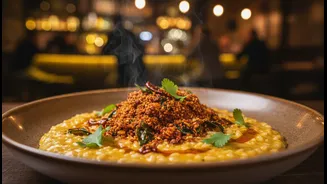
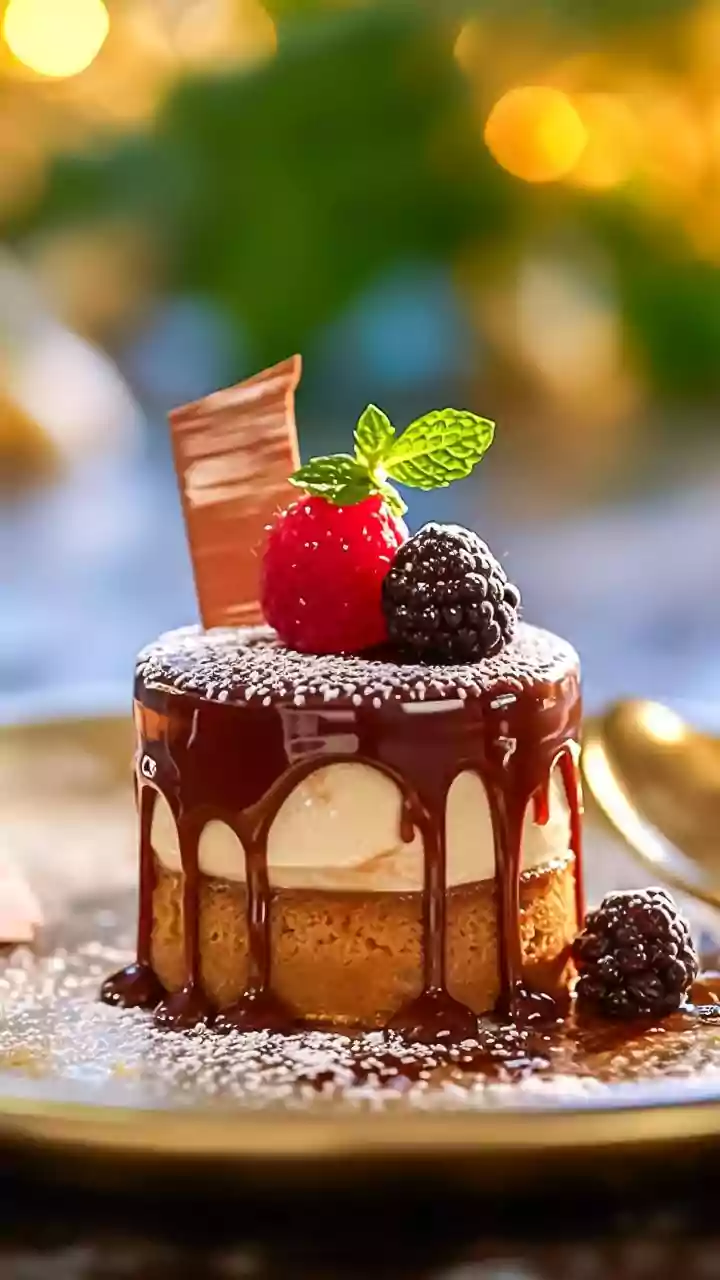
Walk into a forward-thinking restaurant today, and you might find familiar flavours deployed in startlingly new ways. That warm, aromatic garam masala from your grandmother's kitchen? It might be dusted over a chocolate dessert. The earthy, citrusy notes
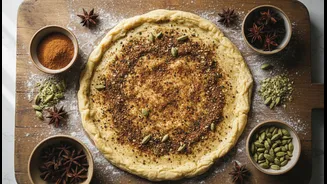
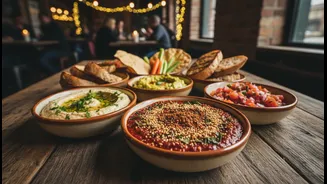
of Middle Eastern za'atar could be seasoning a gourmet pizza or a craft cocktail. This isn't just random experimentation; it's a global culinary movement. Chefs are deliberately reaching back into the annals of culinary history, pulling forward complex, time-honoured spice recipes and using them as the foundation for modern dishes. This trend reflects a world where palates are more adventurous and diners are eager to explore global flavours. The result is a vibrant, exciting style of cooking that feels both novel and deeply rooted in tradition.
From Heirloom Blends to Headline Dishes
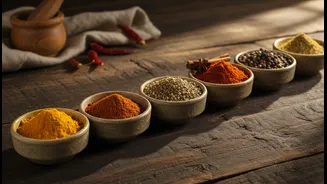
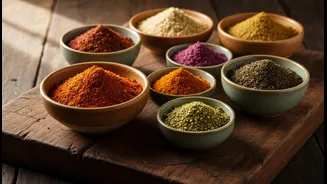
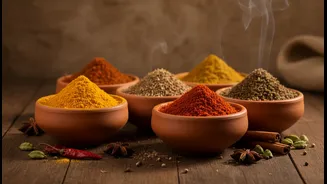
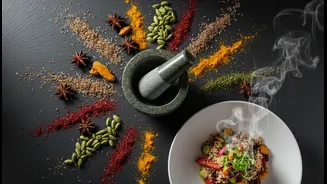
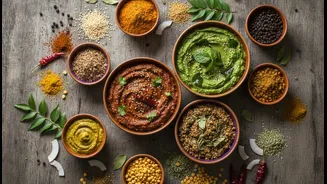
Several classic spice mixes are at the forefront of this trend. Indian blends, with their intricate balance of sweet, sour, and savoury notes, are particularly popular. Garam Masala, a warming blend from North India, is being used to add depth to everything from roasted meats to creamy pasta sauces. Similarly, Chaat Masala, a tangy and pungent mix, is finding its way into salads, fries, and even fusion tacos, providing a jolt of flavour that awakens the palate. Beyond India, chefs are embracing blends like Ethiopian Berbere, a fiery and fragrant mix, to season everything from lentil stews to grilled tofu. Middle Eastern mixes such as Baharat and Za'atar are also being reimagined, adding their characteristic warmth and fragrance to Western-style dishes and baked goods.
The Philosophy of the Modern Chef
For the chefs driving this movement, using classic spices is about more than just creating a new taste sensation. It's a way to tell a story and honour culinary heritage while pushing creative boundaries. By incorporating a traditional spice blend into a contemporary dish, they create a bridge between the past and the present. It’s an act of cultural appreciation, introducing diners to global traditions in an accessible and exciting format. This approach allows chefs to break free from rigid culinary rules, blending techniques and ingredients with intention and respect. They are not simply mixing cuisines but creating a thoughtful dialogue between them, resulting in dishes that are layered with meaning and complexity. Many see it as a way to keep traditions alive by allowing them to evolve.
Why This Trend Is Happening Now
Several factors are fueling this spice-driven fusion. Globalization and travel have exposed more people to a wider variety of cuisines than ever before. Social media platforms play a significant role, allowing food trends and visually appealing dishes to spread rapidly across the globe. A Korean taco or a masala mac and cheese can go viral, inspiring countless home cooks and professional chefs alike. There's also a growing consumer demand for authenticity and unique dining experiences. People are not just looking for a meal; they're seeking an adventure and a connection to other cultures. Using a classic spice blend offers a recognisable point of connection, even within an otherwise unfamiliar dish, making the adventure feel both thrilling and comforting.