



The Psychology of a Curated Space
A cluttered environment can often lead to a cluttered mind. Research and design principles suggest that visual chaos in our homes can contribute to feelings of stress and anxiety. When every surface is covered, our brains are overstimulated, making it
difficult to relax and focus. By contrast, a minimalist or curated approach creates an atmosphere of calm and tranquility. This philosophy isn’t about sterile, empty rooms; it’s about making intentional choices. By removing excess items, you allow your mind to rest and appreciate the things you’ve chosen to keep. The goal is to create a home that feels like a sanctuary, promoting mental clarity and reducing the background noise of daily life.
How to Identify Your 'Hero' Pieces
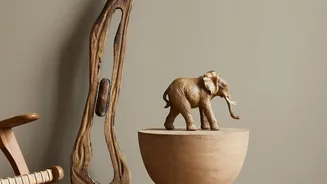
The first step in curation is deciding what gets to be the star of the show. A 'hero' or statement piece is an item that draws the eye and sets the tone for the room. This doesn't mean it has to be the most expensive or largest object. The most effective statement pieces often carry personal meaning—a piece of art from your travels, a vintage chair inherited from a grandparent, or even a collection of books that shaped who you are. Look for items that tell your story. When choosing, consider contrast in color, texture, or shape. An architecturally interesting armchair, a vibrant rug, or a uniquely shaped mirror can all serve as a focal point. The key is that it should feel authentic to you and create a clear visual anchor in the space.
The Power of Negative Space
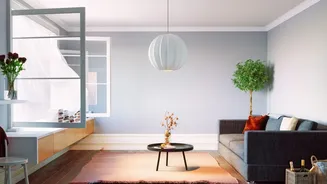
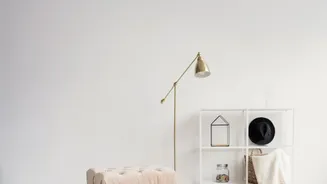
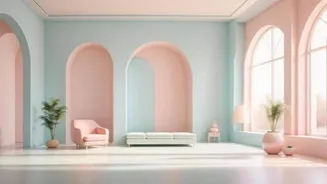
Once you’ve chosen your hero pieces, the next step is to give them room to breathe. In interior design, the empty area around an object is called negative space, and it’s just as important as the object itself. Negative space is what allows a focal point to actually be a focal point. When you overcrowd shelves or walls, even beautiful items lose their impact and the room feels chaotic. By leaving some surfaces clear and some walls intentionally blank, you create a visual hierarchy. This 'breathing room' directs the eye to what truly matters and makes a room feel composed and sophisticated rather than just full. Think of it like a gallery; each piece is given its own space to be seen and appreciated, which in turn makes the entire composition stronger.
Mastering the Art of the Grouping
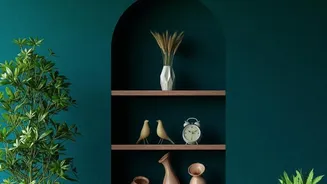
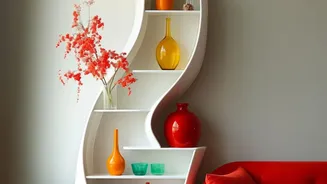
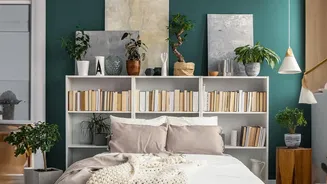
Displaying fewer items doesn't mean everything must stand alone. Thoughtful grouping can turn a small collection of objects into a compelling visual story. A classic interior design trick is to group items in odd numbers, typically threes or fives. When arranging a collection, whether it’s pottery, family photos, or vintage finds, try to keep similar items together to create a cohesive look. You can organize by color, theme, or material to make the grouping feel intentional. Varying the height and scale of the objects within the group adds rhythm and interest. For example, place a tall vase next to a short stack of books and a smaller decorative object. This creates a more dynamic and balanced arrangement than lining up items of the same size.
Keep It Fresh by Rotating Your Decor
A curated home is a living space, not a static museum. One of the best ways to keep your home feeling fresh and inspiring is to rotate your displayed items. You don't have to show all of your favorite things at once. Store some of your collections and swap them out seasonally or whenever you feel the need for a change. This simple act can completely shift the mood of a room without any new purchases. It allows you to rediscover and appreciate the things you own in a new light. It also prevents 'design blindness,' where you stop noticing the objects you see every single day. By regularly refreshing what's on display, you ensure your home continues to evolve with you and remains a source of inspiration and comfort.