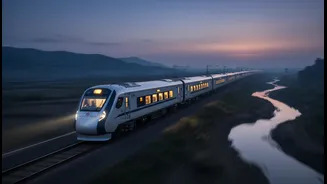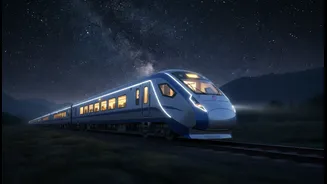





A New Dawn for Night Travel
For decades, overnight train journeys in India have been a mixed bag of nostalgia, convenience, and compromise. While they save a day of travel, questions of comfort, speed, and hygiene often lingered. Now, a new chapter in Indian Railways is being written
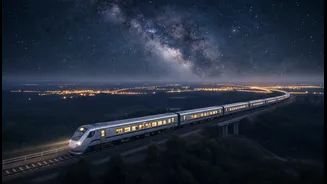
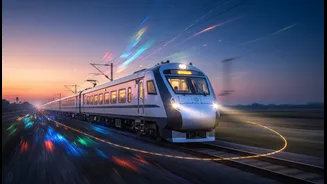
with the launch of Vande Bharat sleeper services. The first of these, connecting Kamakhya (Guwahati) and Howrah, began its commercial run in January 2026, proving the concept's viability. This was followed by the inauguration of the Sant Ravidas Express in July 2026, linking the spiritual hubs of Varanasi and Amritsar (Chheharta). These services are not just another train; they represent a fundamental shift in how Indians can approach long-distance travel, blending the efficiency of Vande Bharat technology with the practicality of overnight journeys.
Redefining the Onboard Experience
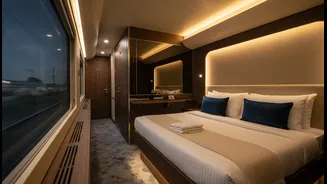
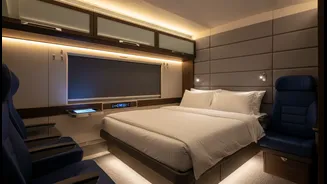
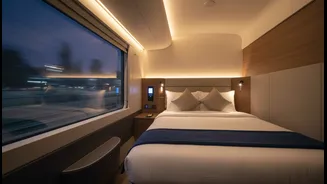
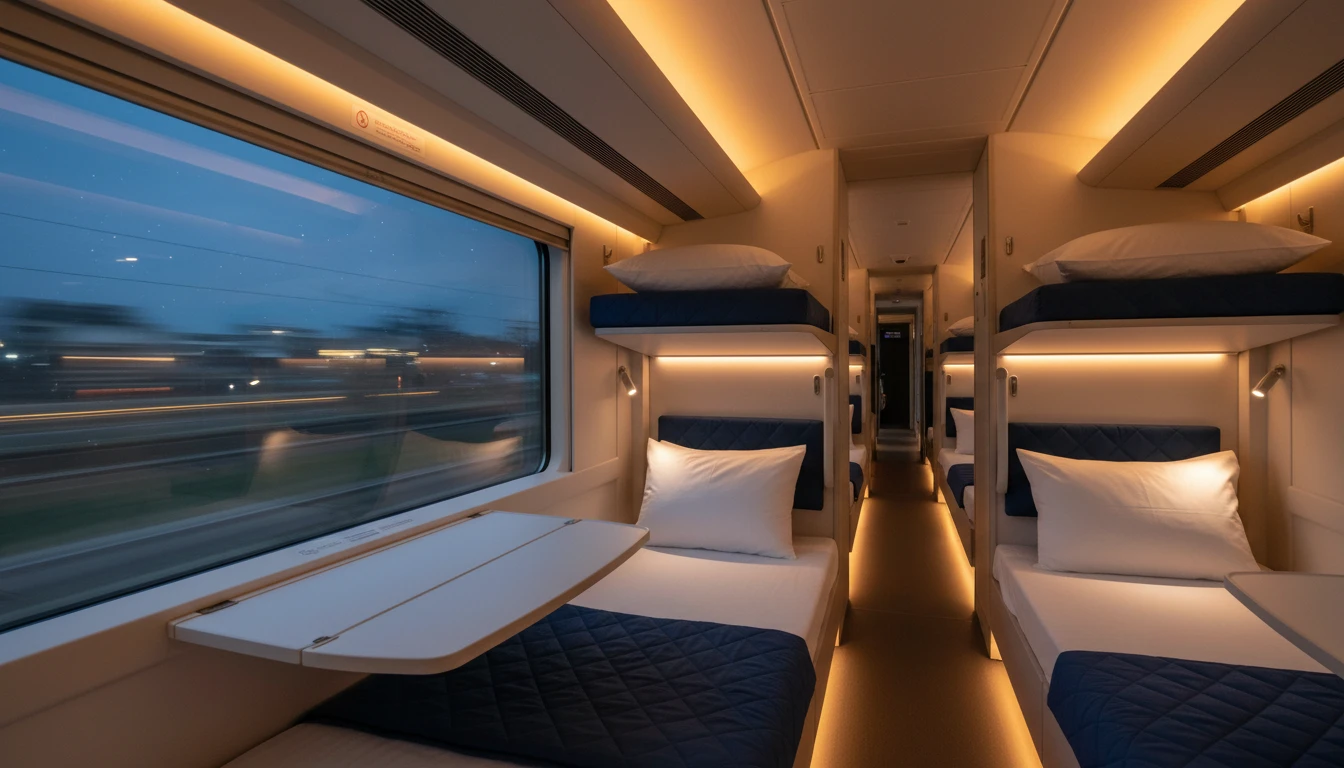
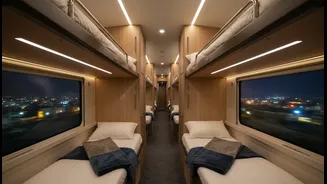
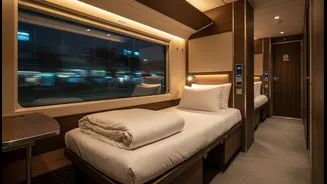
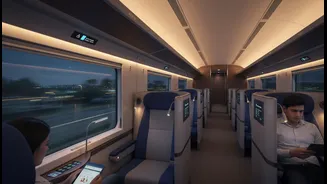
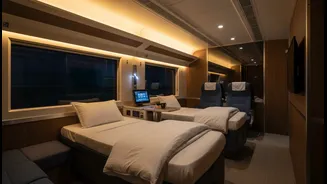
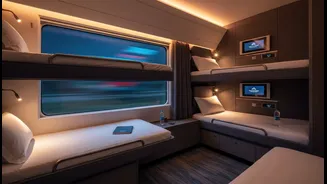
Dubbed by some international travellers as a “five-star hotel on rails,” the Vande Bharat sleeper aims to deliver an experience that rivals, and in some ways surpasses, its predecessors like the Rajdhani Express. The interiors are designed with modern aesthetics and passenger comfort in mind. Cabins feature ergonomically designed berths with improved cushioning, strategically placed reading lights, and charging points for every passenger. The experience is further enhanced by features that tackle common pain points of train travel. Fully sealed gangways and superior air conditioning ensure a quieter, dust-free environment. The introduction of bio-vacuum toilets, similar to those in aircraft, and sensor-based taps marks a significant upgrade in hygiene standards.
The Science of Speed and Safety
The true game-changer for the Vande Bharat series is its distributed power system. Unlike traditional trains pulled by a single locomotive, Vande Bharat trainsets are self-propelled, with power distributed across several coaches. This allows for rapid acceleration and deceleration, significantly reducing travel time even on tracks where the top speed is limited. For example, the Guwahati-Howrah sleeper service shaves off several hours compared to the next fastest train on the route. Safety has also been a core focus. The trains are equipped with the indigenous Kavach automatic train protection system, CCTV surveillance, and advanced fire safety measures, creating a more secure environment for overnight travel.
Routes, Rollouts, and Roadblocks
With the first two routes operational, travellers are eagerly watching for network expansion. A highly anticipated service between Bengaluru and Mumbai is on the cards, with two brand-new trainsets already stationed in Bengaluru awaiting final clearance for service. This route is expected to cut travel time between India's financial and tech capitals. However, the ambitious plan to roll out hundreds of these sleeper trains is facing some challenges. Reports from July 2026 indicate that the production of a large batch of 120 trains by an Indo-Russian joint venture has been delayed due to pending design approvals. This suggests that while the initial rollout is successful, a nationwide network may take longer to materialise than initially hoped.
A New Approach to Ticketing
Indian Railways has also rethought the booking process for these premium services. In a significant departure from convention, Vande Bharat sleeper trains will only issue confirmed tickets. This means there will be no Reservation Against Cancellation (RAC) or wait-listed tickets, a move aimed at ensuring a more comfortable and less crowded journey for confirmed passengers. The fare structure is positioned slightly above that of Rajdhani trains, with a minimum chargeable distance of 400 kilometres to optimise the service for medium to long-haul travel. This strategy positions the Vande Bharat sleeper as a distinct, premium product for those willing to pay a little extra for a guaranteed and superior travel experience.