








What is FSSAI Actually Doing?
The Food Safety and Standards Authority of India (FSSAI) has intensified its scrutiny of what companies print on their packages. In recent weeks, it has issued show-cause notices to numerous well-known brands for using potentially misleading claims. This
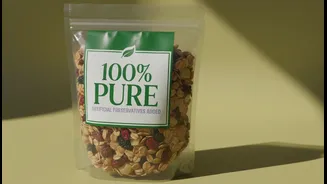
isn't about a single new rule but a stricter enforcement of existing laws against false advertising and improper labelling. The crackdown targets vague, unscientific, or unverified terms like '100% Natural,' 'Fresh,' 'Organic,' and 'Healthy' that can influence shoppers into believing a product is better for them than it actually is. For instance, FSSAI has questioned products marketed as '100% Natural' that list preservatives in the ingredients and products labelled 'Fresh Paneer' that don't meet the specific regulatory conditions to use the word 'fresh'.
Why This Crackdown Matters for Your Health
This initiative is about more than just semantics; it's a public health issue. India is currently facing a surge in non-communicable diseases (NCDs) like obesity, diabetes, and hypertension, which are closely linked to diet. The market for packaged and ultra-processed foods has grown exponentially in the country. Many of these products are high in fat, sugar, and salt (HFSS). Misleading front-of-pack claims can create a 'health halo,' making a nutritionally poor product seem like a good choice. A study by LabelBlind Solutions found that products in India make an average of 8.6 claims, with a high rate of noncompliance, particularly on nutrient or health claims. By ensuring the front of the pack matches the back, FSSAI aims to give consumers a more honest and transparent choice.
The Common Tricks on Food Labels
The recent notices from FSSAI reveal a pattern of common labelling tricks. For example, a 'Premium Chocolate' might be made with cheaper hydrogenated vegetable fat instead of cocoa butter. A fruit-flavoured candy might contain no actual fruit. Some brands have been pulled up for claiming '100% Vegetarian' on products while using old, non-compliant labels. Another issue is the misuse of the FSSAI logo itself, with some brands using the phrase 'FSSAI Approved,' which can wrongly imply a special endorsement rather than a standard license to operate. The regulator has also targeted products making health claims like 'boosts immune system' without providing scientific evidence.
Your New Grocery Shopping Checklist
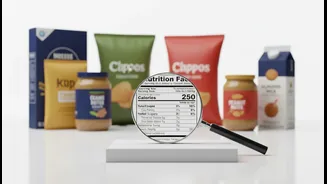
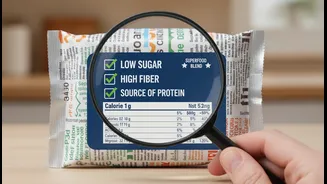
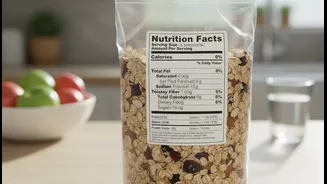
As a shopper, this crackdown empowers you. But it also means you need to be a more critical reader of labels. First, be skeptical of buzzwords like 'Natural,' 'Pure,' and 'Healthy.' These are often marketing terms, not scientific facts. Second, always turn the pack over. The ingredients list is your best source of truth, as ingredients must be listed in descending order by weight. If sugar is one of the first few ingredients, it's a high-sugar product. Third, compare the front-of-pack claim with the nutrition information panel. A snack claiming to be 'baked, not fried' might still be very high in sodium or refined carbohydrates. Finally, look for proper certification logos for claims like 'Organic,' such as the Jaivik Bharat logo.
What's Next: Front-of-Pack Labelling
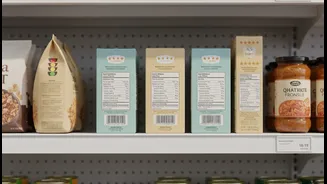
This crackdown is part of a larger global movement towards clearer food labelling. For years, FSSAI has been deliberating a mandatory Front-of-Pack Labelling (FoPL) system. The two main contenders are Health Star Ratings (HSR), which give a product a rating from half to five stars, and warning labels, which use clear text to flag products high in sugar, salt, or fat. While HSR has been discussed, many health advocates argue for warning labels, which have proven effective in other countries at reducing junk food consumption. Though a final decision is pending, the Supreme Court has pushed for final regulations to be in place, signaling that a significant change to the front of food packages is on the horizon.