




The Limits of Classroom Walls
Formal education provides the essential scientific vocabulary for the climate crisis. It teaches us about carbon dioxide, rising sea levels, and deforestation. In India, environmental science is a part of the curriculum, aiming to create awareness from
a young age. This foundational knowledge is non-negotiable. However, when complex, existential threats like climate change are confined to a 40-minute period and reduced to facts to be memorised for an exam, they risk losing their urgency. The problem becomes abstract, a set of data points rather than a lived reality. This approach can inadvertently foster passivity, creating a generation that can define climate change but feels powerless to act on it. The classroom can explain the 'what', but it often struggles to convey the 'why it matters to me' and the 'what I can do'.
Learning Through Feeling and Doing
True understanding is forged in experience. It’s the difference between reading about water scarcity and spending a day with a community that relies on a single, dwindling well. It’s the gap between knowing that plastic chokes marine life and participating in a beach clean-up in Chennai or Mumbai, physically pulling plastic bags and bottles from the sand. This is where real learning ignites. When a child helps their family segregate waste because of a neighbourhood initiative in Bengaluru, they internalise the concept of a circular economy. When a student in the Himalayan region sees a receding glacier with their own eyes, it becomes more than a picture in a book; it becomes a personal, urgent call to action. These experiences engage the senses and emotions, building a layer of empathy that textbooks alone cannot provide. This kind of learning doesn't just inform; it transforms.
From Passive Knowledge to Active Agency
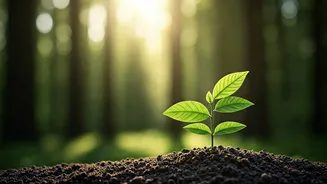
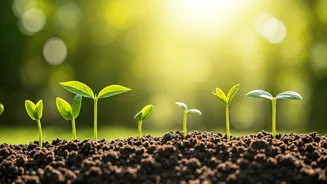
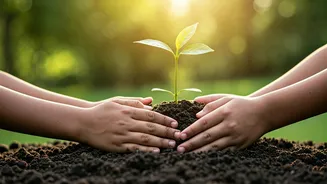
The greatest gift of out-of-school learning is the cultivation of agency—the belief that one's actions matter. School can leave students feeling overwhelmed by the scale of the problem. In contrast, tangible, local actions demonstrate impact. Planting a sapling in a city park, helping to restore a local pond, or learning traditional water-harvesting techniques from elders connects an individual to a solution. These are not grand, global gestures, but they are powerful. They prove that change is possible. Citizen science projects, for example, empower ordinary people to contribute to valuable climate data, turning them from passive recipients of information into active participants in the scientific process. This hands-on engagement is the bridge from knowing about a problem to developing the confidence and skills to help solve it.
Building a Generation of Solvers
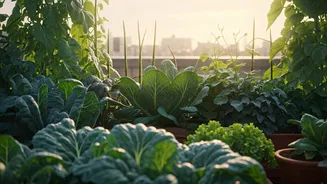
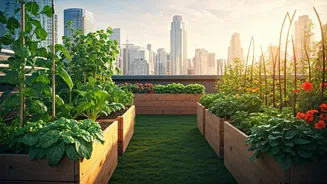
The climate crisis demands more than just scholars; it demands creative, resilient, and collaborative problem-solvers. Real-world projects naturally foster these skills. A community garden teaches not just biology but also planning, teamwork, and patience. A campaign to reduce single-use plastics in a local market involves communication, persuasion, and strategic thinking. These are the so-called 'soft skills' that are critical for navigating a complex future but are difficult to teach in a traditional academic setting. By engaging with their environment directly, young people learn to observe, question, experiment, and adapt. They are not just studying a subject; they are practising the very competencies required to build a more sustainable world. This is how we nurture a generation that is not just aware of the crisis but equipped and motivated to lead us through it.