





The Urban Gardener's Dilemma
For city dwellers, a balcony is a precious slice of the outdoors. It’s a space with the potential to become a vibrant garden, offering fresh herbs for cooking, colourful flowers, or just a leafy escape. However, this dream often meets a practical and
daunting obstacle: water. Every time you water your plants, you risk creating issues that extend beyond your own space. Water runoff can stain your balcony floor and the building’s facade, while leaks can drip down to your neighbours below, causing frustration and potential property damage. Within the planters themselves, poor drainage creates waterlogged soil, which is a primary cause of root rot and other fungal diseases that can quickly kill container plants. The fear of causing structural issues or neighbourly disputes often discourages aspiring gardeners from even starting.
An Introduction to Waterproofing
Waterproofing your balcony is the key to a stress-free garden. This doesn't just mean laying down a plastic sheet. Modern balcony waterproofing involves applying a specialized membrane to the surface to create an impenetrable barrier against moisture. These membranes can be liquid-applied coatings (like polyurethane or acrylics) that create a seamless, flexible skin, or pre-fabricated sheets made from materials like vinyl or rubber that are rolled out for uniform coverage. When used for gardening, these systems are often combined with vertical covers or liners inside planters to ensure every drop of water is properly managed. This protects the building's structure from water infiltration, which can cause concrete to crack and wood to rot over time.
The Dual Benefit for Plants and Property
Effective waterproofing offers a two-for-one advantage: it safeguards your building while simultaneously promoting healthier plants. For the property, a waterproof membrane prevents moisture from seeping into porous materials like concrete and brick, avoiding long-term structural decay and unsightly stains. It also means no more surprise drips on your neighbour’s patio below, ensuring peace in the building. For your garden, the benefits are just as significant. When waterproofing is integrated with a proper drainage system, it prevents water from pooling at the bottom of your planters. This ensures that plant roots have access to oxygen and are not sitting in stagnant water, which drastically reduces the risk of root rot and other deadly diseases. This controlled environment allows plants to thrive.
Choosing the Right Waterproofing System
Selecting the right waterproofing solution depends on your balcony's construction and your gardening ambitions. Liquid-applied membranes are highly versatile and ideal for creating a seamless layer that conforms to corners and odd shapes. Sheet membranes offer consistent thickness and are excellent for covering larger, flat surfaces. For vertical gardens specifically, look for waterproofing systems that include root barriers. This is a crucial component that prevents determined plant roots from puncturing the waterproof layer over time. Also consider materials that are UV-stable to prevent them from degrading in direct sunlight. For built-in planters, a flexible, seamless application is often the best choice to ensure every corner is sealed.
Installation and Best Practices
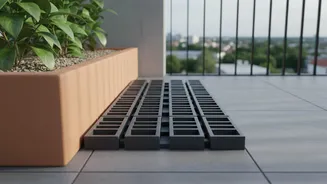
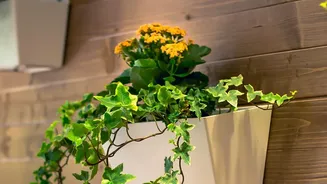
Proper installation is key to success. The balcony surface must be thoroughly cleaned and any existing cracks repaired before a membrane is applied. A critical and often-overlooked element is creating a slight slope—at least 2% (or about a quarter-inch per foot)—to guide water toward a drain or collection point. This prevents water from pooling on the surface. When setting up vertical planters against a wall, it’s wise to install a waterproof backing on the wall itself or use a frame that creates an air gap between the planter and the wall surface. Finally, integrating a drainage layer, such as a drainage mat, will help channel excess water away efficiently, ensuring the entire system works in harmony.