





Jamun (Indian Blackberry)
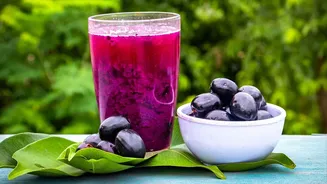
This deep-purple seasonal fruit is a monsoon favourite for good reason. Jamun is packed with Vitamin C and powerful antioxidants called anthocyanins, which help support the body's natural defences against infection. Its high fibre content also promotes
healthy digestion, which can often become sluggish during the rainy season. Nutritionists value jamun for its ability to support overall health when colds, flu, and stomach issues are more common. Enjoy it as a whole fruit, but be sure to wash it thoroughly before eating.
Ginger and Garlic
These humble kitchen staples are true superfoods during the monsoon. Both ginger and garlic are celebrated for their natural anti-inflammatory and antimicrobial properties. They can help the body combat seasonal infections that lead to coughs, colds, and sore throats. Incorporating freshly chopped ginger and garlic into your daily cooking, such as in dals, soups, and vegetable dishes, is an easy and effective way to leverage their immune-supporting benefits. A warm cup of ginger tea is particularly soothing on a rainy day.
Turmeric
A cornerstone of Indian cooking and traditional medicine, turmeric's value skyrockets during the monsoon. Its active compound, curcumin, is a potent anti-inflammatory and antioxidant that helps regulate the immune system. During a season when the risk of infection is high, adding turmeric to dals, curries, or a warm glass of milk can help strengthen your body's defences. Nutritionists note that curcumin on its own is not easily absorbed, but pairing it with black pepper and a healthy fat like ghee can increase its absorption significantly.
Moong Dal (Split Mung Beans)
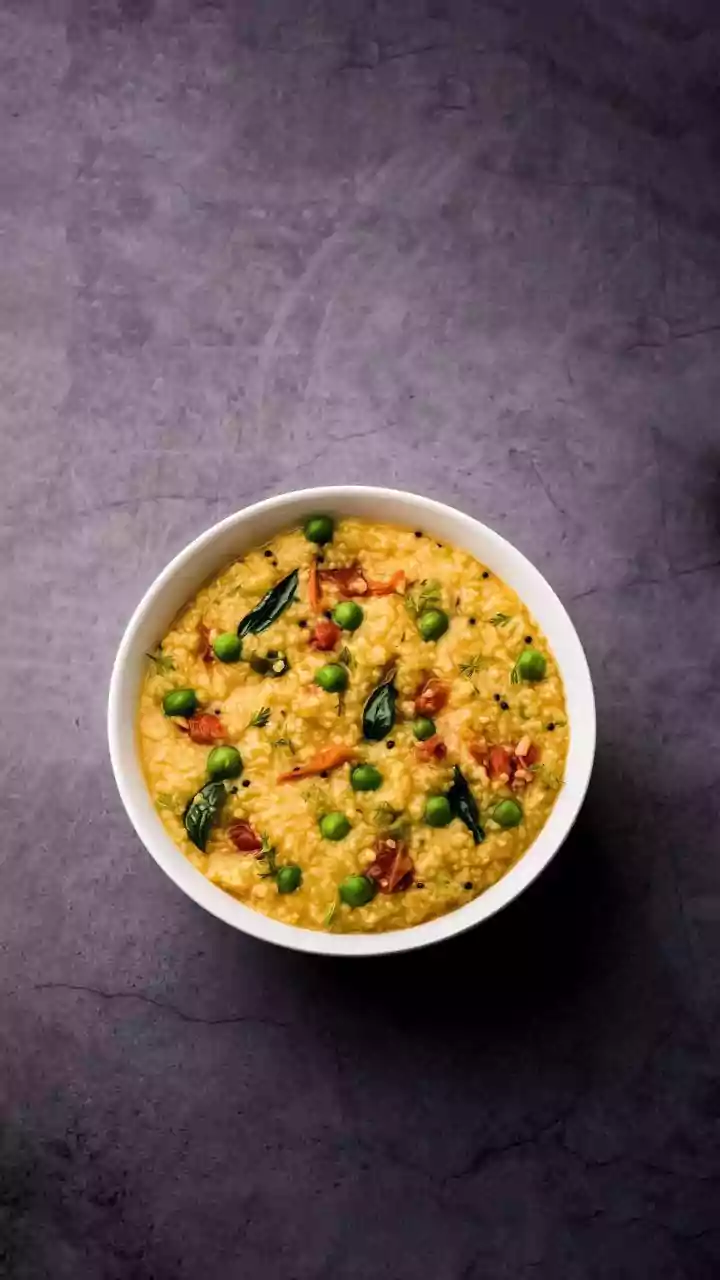
When digestion feels weak and sluggish due to humidity, moong dal is the recommended go-to lentil. It is one of the most easily digestible proteins, making it gentle on the stomach while providing essential nutrients. Rich in plant protein, fibre, and minerals, moong dal offers nourishment without feeling heavy. A simple, warm bowl of moong dal khichdi, tempered with a little ghee and cumin, is considered an ideal comfort meal for the rainy season, supporting gut health and providing sustained energy.
Bitter Gourd (Karela)
While its bitter taste can be an acquired one, karela is a nutritional powerhouse especially beneficial during the monsoon. It is packed with Vitamin C and antioxidants that help boost the immune system to fight off common infections. Health experts also recommend it for its ability to support digestion and prevent issues like constipation, which can be common during this season. Its natural compounds are believed to have blood-purifying properties, promoting clearer skin and overall detoxification.
Seasonal Gourds (Lauki, Parwal)
Vegetables like bottle gourd (lauki), pointed gourd (parwal), and ridge gourd (tori) are excellent additions to a monsoon diet. These vegetables have a high water content and are rich in fibre, making them easy to digest and helpful for hydration. Since raw vegetables are generally avoided during the monsoon to prevent infections, cooking these gourds into light curries or soups is a safe and healthy way to get your daily dose of vitamins and minerals. They provide essential nutrients without putting a strain on your digestive system.