
The Sun's Unpredictable Temper
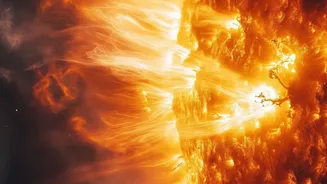
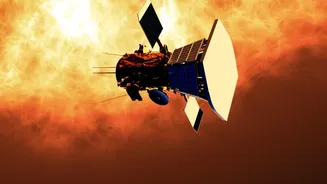
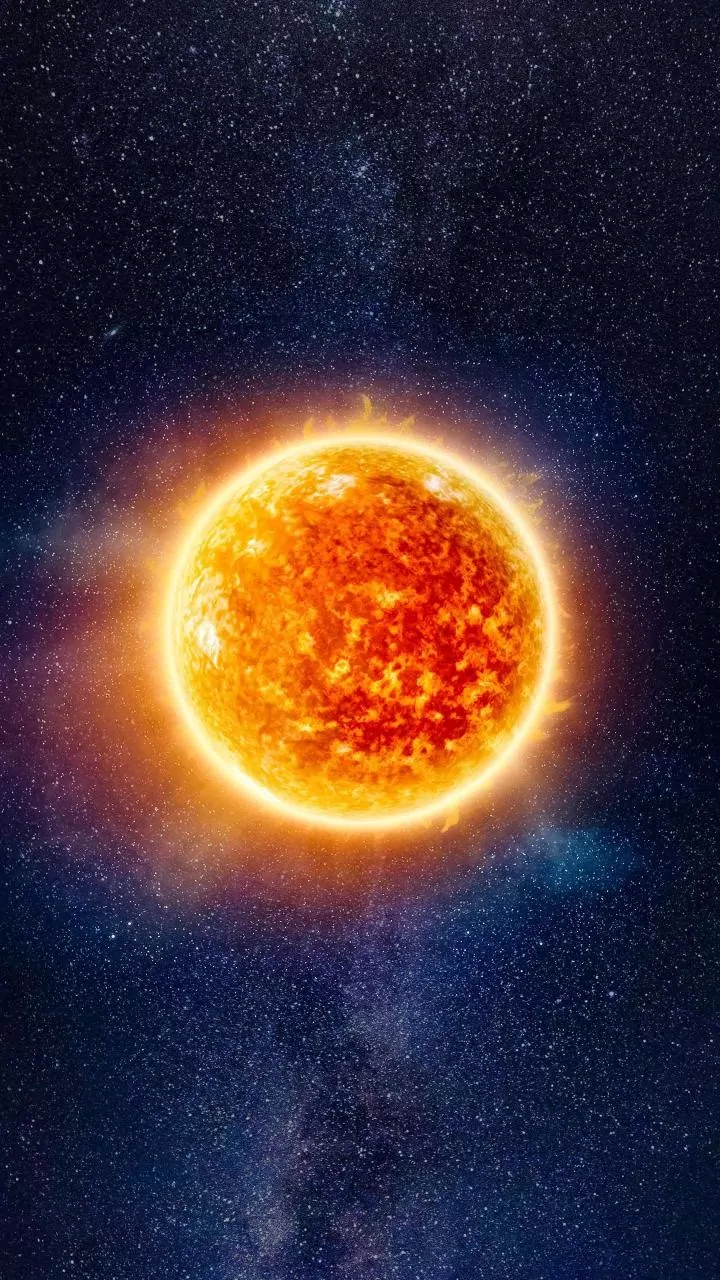
The Sun isn't always the steady, life-giving star we perceive it to be. It has a dynamic and often violent nature, periodically releasing enormous bursts of energy and particles into space. These events, known as solar storms, include solar flares and coronal
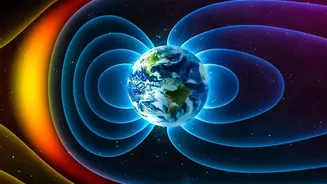
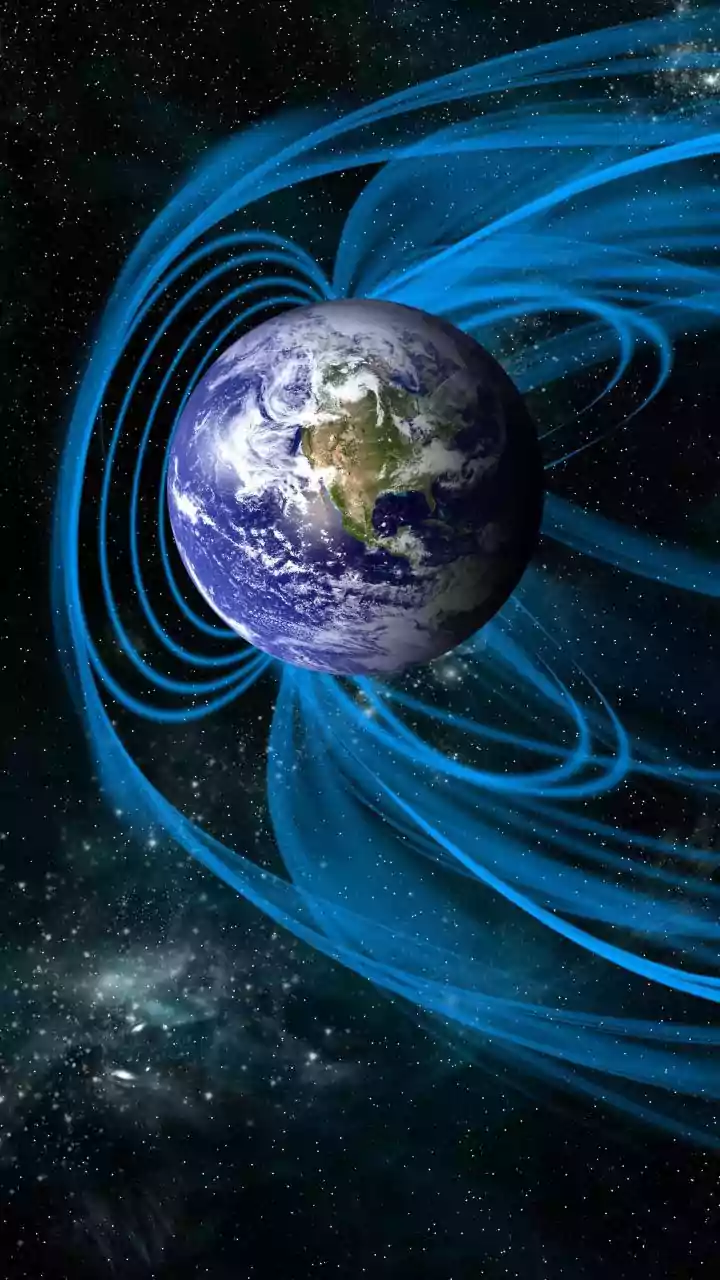
mass ejections (CMEs). A solar flare is an intense flash of radiation, while a CME is a massive explosion of plasma and magnetic field from the Sun's corona. While flares can disrupt radio communications on Earth within minutes, CMEs are vast clouds of charged particles that travel through space and can take one to three days to reach our planet, triggering powerful geomagnetic storms upon arrival.
Satellites in the Firing Line
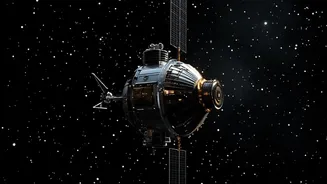
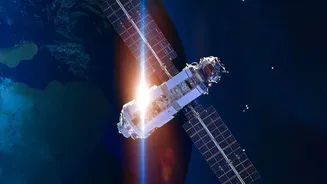
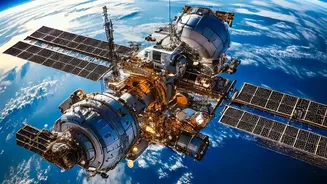
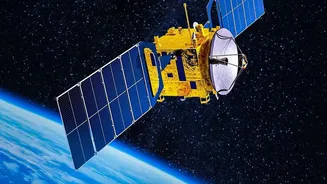
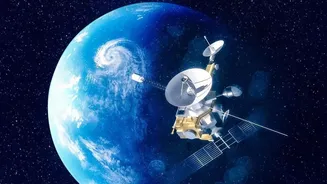
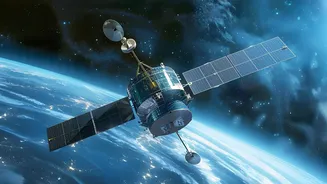
For the thousands of satellites orbiting Earth, a solar storm is a multi-pronged assault. Energetic particles can penetrate and damage sensitive electronics, effectively frying their circuits. The storms also heat and expand Earth's upper atmosphere. This increases the atmospheric drag on satellites in low Earth orbit (LEO), slowing them down and causing their orbits to decay. In a dramatic example from February 2022, a single geomagnetic storm led to the loss of 38 commercial satellites. Furthermore, the charged particles can interfere with the very signals satellites are designed to transmit, degrading GPS accuracy and disrupting communication networks.
The Challenge of Space Weather Prediction
Currently, forecasting space weather is a significant challenge. Agencies like the U.S. National Oceanic and Atmospheric Administration (NOAA) monitor the Sun for signs of activity, but warning times are often short. For a CME heading directly for Earth, the warning might only be a matter of minutes or a few hours, providing little time for satellite operators to take protective measures. These measures can include powering down non-essential systems, reorienting the spacecraft to shield sensitive components, or even making small orbital adjustments to counteract increased drag. Effective forecasting is the key to making these protective actions possible and mitigating potentially catastrophic financial losses. A single severe space weather event could cost the global economy trillions of dollars.
A New Dawn in Solar Forecasting
The future of solar storm prediction is poised for a revolutionary leap forward, thanks to new missions and advanced technology. The European Space Agency (ESA) is developing the Vigil mission, planned for launch in 2031. Vigil will be positioned at a unique point in space known as Lagrange Point 5, where it can observe the side of the Sun that is rotating towards Earth. This will allow it to spot potentially hazardous active regions days before they are visible from our planet, extending warning times for some events to as much as four to five days. This 'side view' provides a much clearer picture of CMEs as they travel toward Earth.
The Power of Artificial Intelligence
Alongside new satellite vantage points, artificial intelligence (AI) is becoming an indispensable tool. Machine learning models are being trained on vast amounts of satellite data to identify the complex patterns that precede a solar eruption. Models like the Deep Learning Geomagnetic Perturbation (DAGGER) can analyze solar wind data and predict where a storm will strike on Earth with 30 minutes of warning, updating every minute. Other AI systems are being developed to give satellite operators risk classifications, helping them decide the best course of action. This combination of AI and new data sources promises to transform forecasting from a reactive process to a proactive one.
Securing Our Connected Future
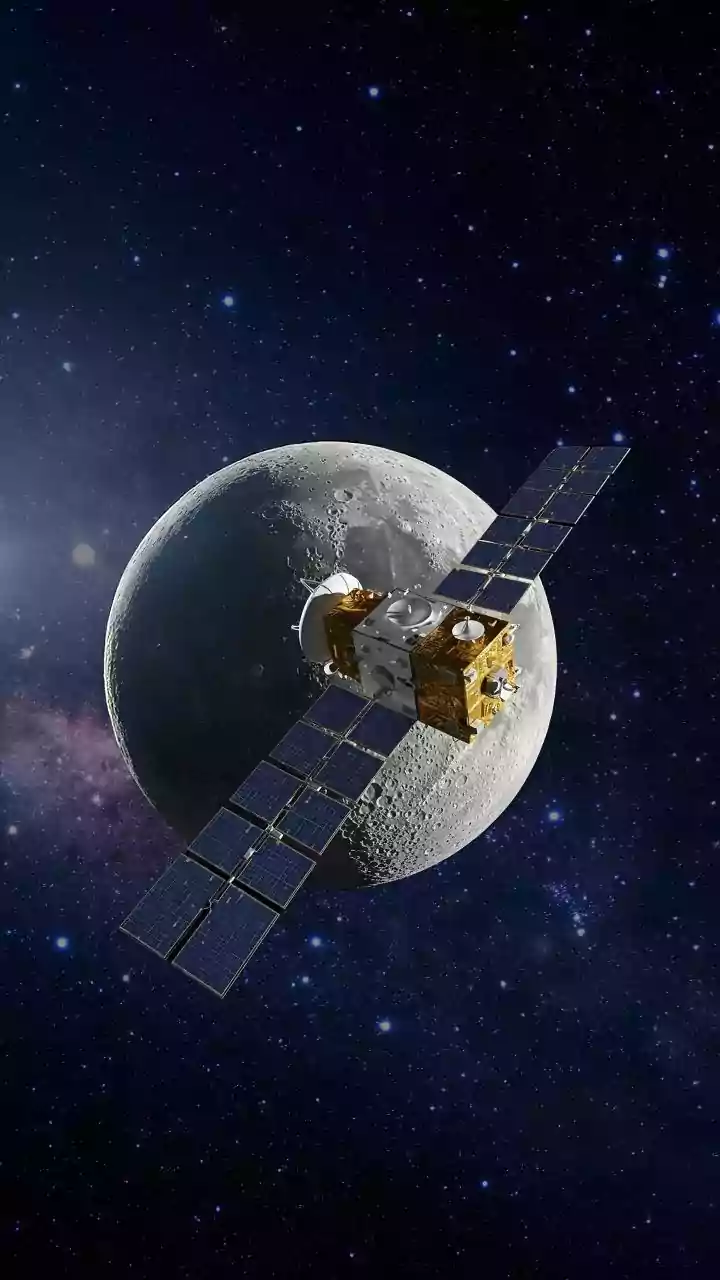
Better solar storm forecasting will fundamentally reshape the future of satellite communication by turning it from a high-stakes gamble into a manageable risk. With warnings of several hours or even days, satellite operators can reliably protect their multi-million dollar assets. This ensures greater stability for the services we depend on, from banking and navigation to broadcasting and internet connectivity. As humanity plans for missions to the Moon and Mars, and as low Earth orbit becomes increasingly crowded with commercial satellite constellations, understanding and predicting space weather is no longer just a scientific curiosity. It is an essential component for securing our increasingly connected and space-dependent civilization.