

The Urban Charging Challenge
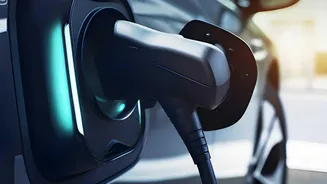
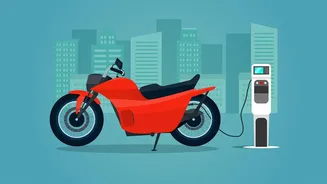
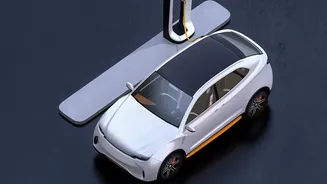
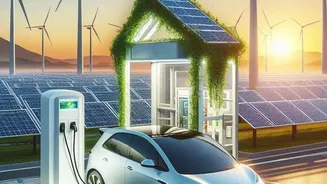
For any electric vehicle owner in a bustling Indian metropolis, the charging experience can be a significant source of frustration. Finding a vacant charging spot is only the first challenge. Once plugged in, the wait begins—often 30 to 45 minutes for
an 80% charge on a fast charger, and much longer on standard points. This downtime is a major inconvenience for private car owners and a critical loss of income for commercial drivers of electric three-wheelers and delivery fleets. Furthermore, the reliance on today's lithium-ion batteries means dealing with range anxiety in unpredictable, stop-and-go traffic, where every kilometre counts.
Enter the Solid-State Battery
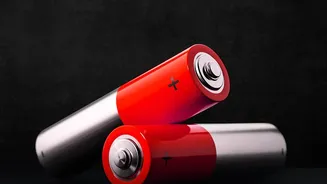
So, what exactly is this breakthrough technology? Think of a standard lithium-ion battery like a water-soaked sponge. It uses a liquid electrolyte to move energy-carrying particles (ions) between its positive and negative ends. This liquid is effective but has limitations: it's flammable, adds weight, and can degrade over time. A solid-state battery, as the name suggests, replaces this flammable liquid with a thin, stable solid material, often a ceramic or polymer. This fundamental change in design is what unlocks a host of benefits, making it safer, more compact, and dramatically more efficient.
Faster Charging, Less Waiting
The primary advantage for urban users is a drastic reduction in charging time. The solid electrolyte is more stable and less prone to overheating, allowing for a much higher current to be pushed into the battery safely. While current EVs take the better part of an hour for a significant charge, prototypes of solid-state batteries have demonstrated the ability to charge from 10% to 80% in under 15 minutes. Some developers even project a full charge could one day take as little as five minutes. For a taxi driver, a delivery agent, or a commuter in a hurry, this transforms charging from a lengthy chore into a quick pit stop, similar to refuelling a petrol vehicle.
More Kilometres, Less Anxiety
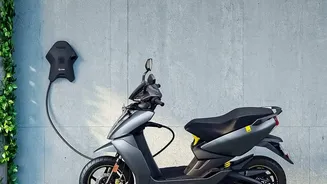
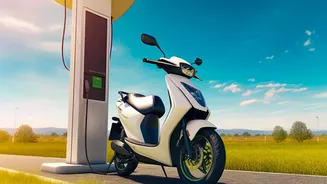
Solid-state batteries are significantly more energy-dense. This means they can store much more energy in the same physical space, or provide the same range from a much smaller and lighter pack. Projections suggest they could offer up to double the energy density of current lithium-ion batteries. For urban mobility, this has two major implications. First, a compact electric car could see its range extend well beyond 500 kilometres, eliminating range anxiety even on intercity trips. Second, and perhaps more importantly for India, it allows for smaller, lighter batteries for two and three-wheelers without sacrificing performance—making them more affordable and efficient.
A Safer Ride on Crowded Streets
By eliminating the flammable liquid electrolyte, solid-state batteries inherently reduce the risk of battery fires, a key safety concern for EVs. They have a much higher tolerance for a wide range of temperatures, making them better suited to India's hot climate and less reliant on complex, heavy cooling systems. This enhanced stability and safety are crucial in densely populated urban environments, providing peace of mind for both drivers and passengers. Moreover, their longer lifespan, with the ability to endure thousands of charge cycles with minimal degradation, means the battery could outlast the vehicle itself, improving the total cost of ownership.
The Road to Indian Cities
While the technology is transformative, it is not yet on showroom floors. As of 2026, solid-state batteries are in the early commercialisation phase, with mass production still facing cost and manufacturing hurdles. Global giants like Toyota, QuantumScape, and Samsung are racing to scale up, with the first vehicles featuring this technology expected around 2027-2028, likely in high-end or hybrid models first. In India, companies like Vikram Solar are entering the space, and government officials are actively exploring collaborations with global leaders like QuantumScape, signalling a strong interest in localising this next-generation technology. While full, affordable mass-market adoption may be closer to 2030, the path to a solid-state future is becoming clearer.