


More Than a Garnish
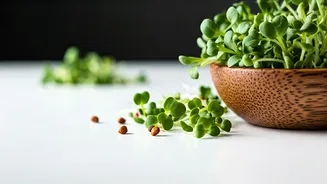
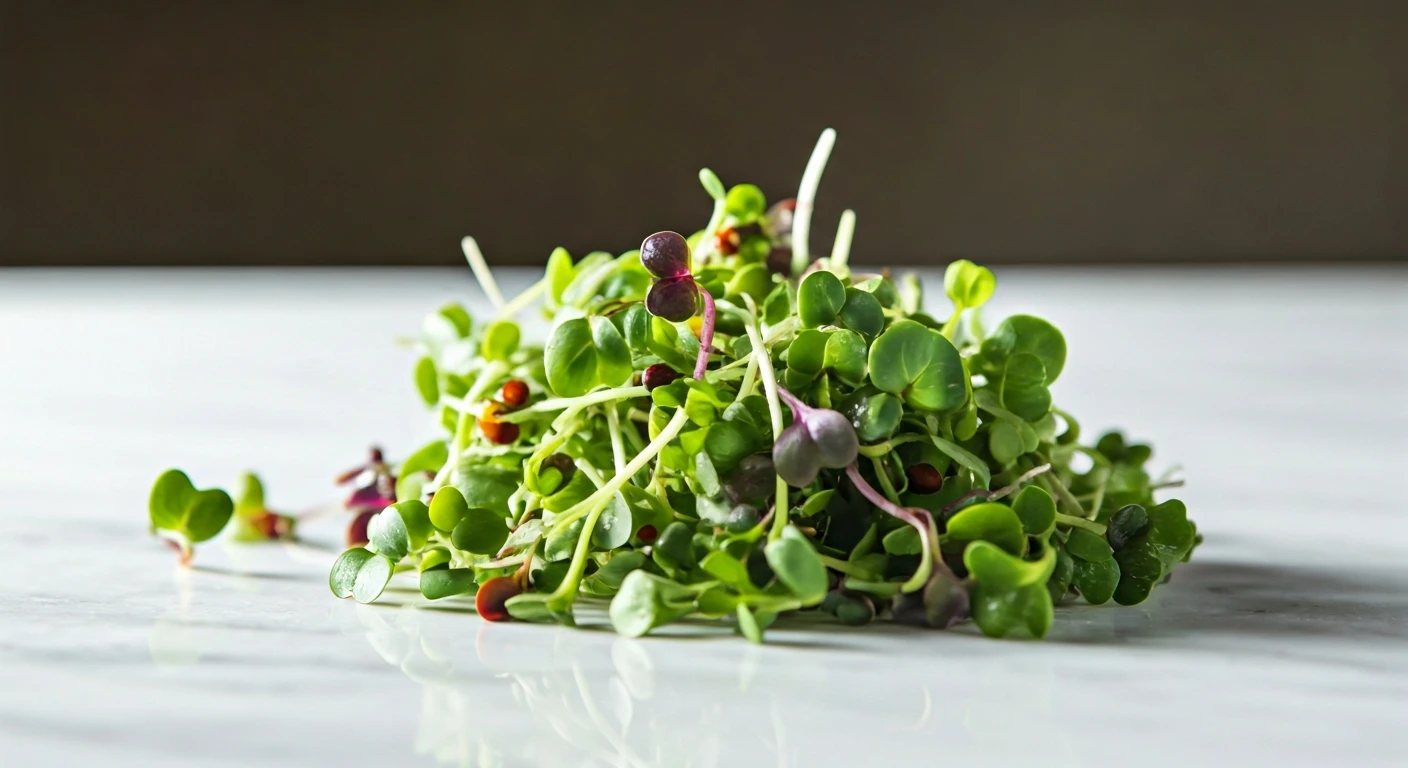
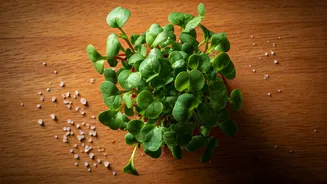
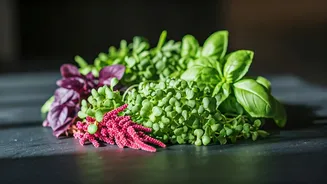
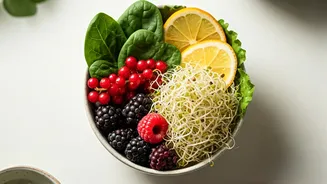
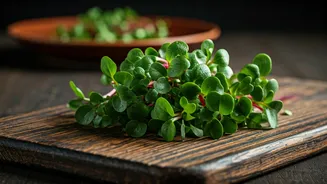
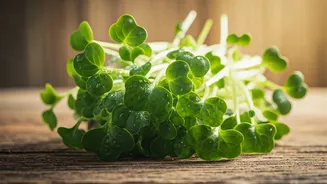
First, let’s be clear: microgreens are not sprouts. While sprouts are germinated seeds grown in water, microgreens are young vegetable seedlings harvested just after their first true leaves appear. Grown in soil and cut at the stem, they are the baby
versions of plants like radishes, mustard, cilantro, and fenugreek. For years in American fine dining, they were a cheffy flourish, a delicate topping that signaled a dish was fancy. But their recent migration into home kitchens, particularly within the health-conscious Desi diaspora, signals a more significant shift. Here, they aren't just a pretty afterthought; they're being integrated as a functional, flavorful, and culturally relevant ingredient. They represent a modern evolution of the long-standing South Asian tradition of using fresh herbs and greens like cilantro (dhania) and mint (pudina) to finish dishes, but with a new-school twist.
A Nutritional Power Punch
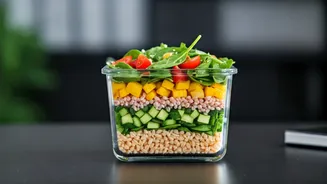
A major driver of this trend is the wellness movement sweeping through the Desi-American community. Many are actively seeking ways to lighten up traditionally rich, carb-heavy comfort foods without sacrificing flavor. Microgreens fit this goal perfectly. Studies have shown they can contain nutrient levels significantly higher—sometimes up to 40 times more—than their mature counterparts. A tiny handful of radish microgreens, for instance, can deliver a concentrated dose of vitamins C, E, and K. For a generation looking to manage health outcomes and embrace preventative wellness, adding a nutrient-dense ingredient that doesn't fundamentally change a beloved recipe is a huge win. It’s an easy, effective way to boost the nutritional profile of everything from morning omelets (masala omelets, of course) to hearty lentil stews, making everyday meals healthier by default.
The Instagram-Ready Upgrade
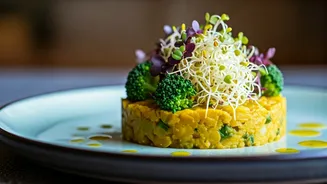
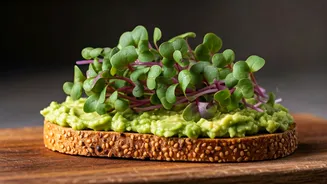
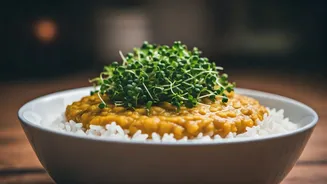
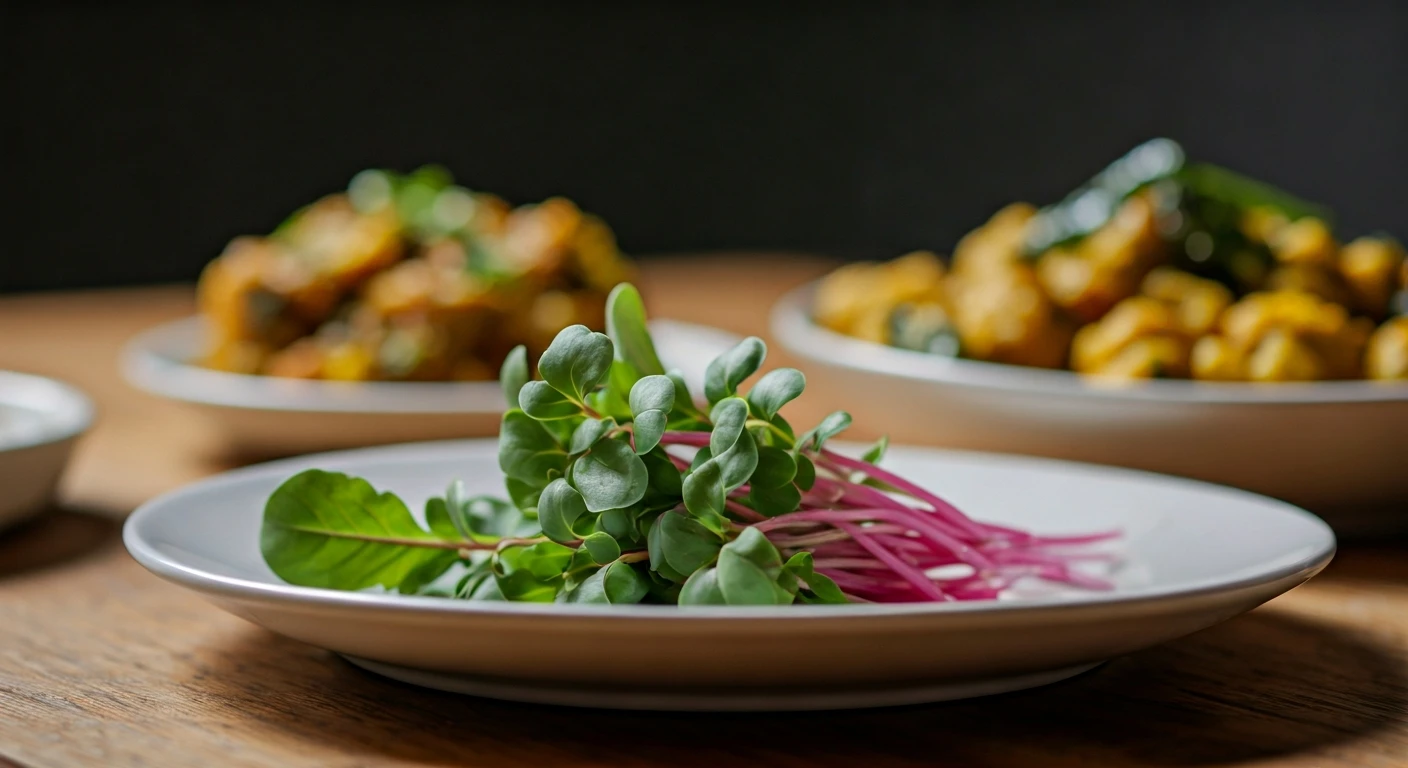
You can't discuss a modern food trend without talking about social media. The visual appeal of microgreens is undeniable. Their bright colors and delicate shapes provide a stunning contrast against the rich, earthy tones of many Indian dishes like chana masala or rogan josh. For food bloggers, recipe developers, and even proud home cooks, a sprinkle of fuchsia-stemmed radish microgreens or lacy cilantro shoots instantly makes a dish look more professional, fresh, and appetizing. In the visual economy of Instagram and TikTok, this matters. The microgreens act as a signal to the viewer: this isn't your grandmother's everyday dal. This is a *modern*, *healthy*, and *thoughtfully prepared* version. They add a touch of elegance and an aesthetic that communicates freshness and vitality before you even take a bite.
A Bridge Between Tradition and Modernity
Perhaps the most compelling reason for the microgreen moment is how seamlessly they connect with the Desi palate. Many of the most popular microgreens carry flavors that are already foundational to South Asian cooking. Mustard microgreens provide the same sharp, peppery bite as mustard seeds (rai), a staple in tempering oils. Fenugreek (methi) microgreens offer a hint of the pleasantly bitter flavor found in the mature leaves used in countless curries and flatbreads. Cilantro microgreens deliver a clean, potent version of the herb that is arguably the most essential garnish in the entire subcontinent. By using these tiny powerhouses, cooks are not importing a foreign flavor profile; they are intensifying a familiar one. It's a way to innovate within tradition, allowing a new generation to put their own stamp on their culinary heritage while honoring its roots. It’s a delicious compromise between the past and the future, served one beautiful, nutrient-packed plate at a time.