








The Power of the Active Cool-Down
After pushing your body to its limits with high-intensity interval training (HIIT), the impulse to stop completely is strong. However, fitness professionals advocate for something called 'active recovery' instead of 'passive recovery'—which is simply
stopping all movement. Active recovery involves performing low-intensity exercises immediately following a strenuous workout. Think of it as a bridge between the all-out effort of your workout and a state of complete rest. When you engage in intense exercise, your muscles experience microtears and a buildup of metabolic byproducts, like lactic acid. Abruptly stopping can cause these byproducts to pool, leading to increased stiffness and soreness. A gentle cool-down keeps the blood flowing, helping to gradually transition your body back to its resting state.
Flushes Out Metabolic Waste
One of the most significant benefits of a gentle cool-down is its ability to help clear metabolic waste from your muscles. During intense exercise, your body produces substances that contribute to that familiar burning sensation and post-workout fatigue. Light, continuous movement after a workout keeps your heart rate slightly elevated, promoting circulation. This increased blood flow acts like a cleanup crew, flushing out the lactic acid and other byproducts that have accumulated in your muscle tissues. One study on swimmers showed that active recovery helped dissipate nearly 70% of accumulated lactate, a result that passive rest couldn't match. This process not only feels better in the moment but also jumpstarts the repair process.
Reduces Muscle Soreness and Stiffness
That dreaded next-day stiffness, officially known as Delayed Onset Muscle Soreness (DOMS), can be a major deterrent to staying consistent with your fitness routine. DOMS typically sets in 12 to 24 hours after an intense workout. Gentle exercises help mitigate this soreness by delivering a steady supply of oxygen-rich blood to the muscles you just worked. This enhanced circulation provides the necessary nutrients for muscle repair and helps reduce inflammation, which is a primary cause of the pain and tenderness associated with DOMS. By keeping your muscles moving, you also prevent them from becoming stiff and tight, making it easier to get back to your next workout feeling refreshed rather than debilitated.
Supports Cardiovascular Health
A sudden stop after intense cardiovascular exercise can be a shock to your system. Your heart has been working hard to pump blood to your muscles, and an abrupt halt can cause blood to pool in your lower extremities, potentially leading to dizziness or lightheadedness. A proper cool-down allows your heart rate and blood pressure to decrease gradually and safely. The American Heart Association recommends a cool-down of 5 to 10 minutes, starting with light aerobic activity like walking before moving into stretches. This controlled deceleration is a much healthier way to conclude a workout, ensuring your cardiovascular system returns to its normal rhythm without undue stress.
Simple, Effective Gentle Exercises to Try
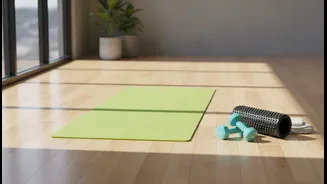
Incorporating active recovery is simple and doesn't require a lot of time or equipment. The key is to choose activities that are low-impact and keep you moving without adding strain. Aim for 5 to 10 minutes of gentle movement post-workout. Consider a slow walk or light jog to begin bringing your heart rate down. Static stretching, where you hold a stretch for 10-30 seconds, is excellent for improving flexibility and relaxing muscles; think of a classic quad stretch or a seated forward bend. The inchworm exercise is another great option as it stretches the hamstrings and shoulders simultaneously. Light yoga poses, such as Downward-Facing Dog with foot pedaling or Child's Pose, can help release tension in the back, shoulders, and calves. Even foam rolling for a few minutes can aid in releasing muscle tightness and improving blood flow.