




The Core Difference: Fibre
The single most important distinction between a whole fruit and its juice is dietary fibre. When you eat a fruit, you consume its pulp and sometimes its skin, both of which are rich in fibre. This fibre is crucial for good health; it aids digestion, helps
prevent constipation, and promotes a healthy gut. In the juicing process, this essential fibre is almost entirely removed, leaving you with a beverage that is nutritionally inferior to the original fruit. This fibre also makes you feel full, which helps with weight management.
The Sugar Situation
While fruit contains natural sugars, eating it whole allows the fibre to slow down the sugar's absorption into your bloodstream. This prevents the rapid spikes in blood glucose and insulin that are often associated with drinking juice. A glass of juice, even one labelled '100% juice' with no added sugar, is a concentrated source of these sugars without the fibre to buffer them. To make a single glass, you might need four or five oranges, consuming all their sugar in minutes—something you're unlikely to do when eating the whole fruit.
Nutrient Loss and Processing
The process of juicing and packaging can also strip away valuable nutrients. Vitamins like C and various antioxidants are sensitive to light and air, meaning their content can decrease from the moment the fruit is processed. Commercially available juices, especially those from concentrate, undergo pasteurisation (heat treatment) which can further degrade these delicate compounds. Many packaged 'fruit drinks' and 'nectars' also contain added sugars, preservatives, and artificial flavours, which are not present in the whole fruit.
A Guide to Indian Winter Fruits
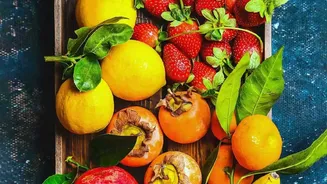
Instead of reaching for a carton of juice, embrace the bounty of fresh winter fruits available across India. They are not only at their seasonal peak in flavour but also packed with nutrients your body needs during the colder months. Here are some top choices.
Amla (Indian Gooseberry)
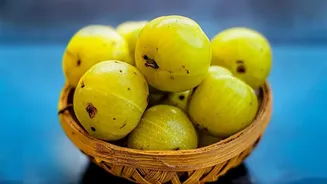
This small, green fruit is a powerhouse of Vitamin C, containing significantly more than an orange. This vitamin is essential for a strong immune system, helping your body fight off common winter ailments like colds and flu. Amla is also rich in antioxidants that protect cells from damage, support digestion due to its fibre content, and may help in managing blood sugar levels. Eating it raw, perhaps with a sprinkle of salt, ensures you get all its benefits.
Guava (Amrood)
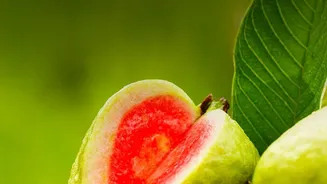
Often called a 'superfruit', guava is another incredible source of Vitamin C and dietary fibre. The fibre in guava supports a healthy digestive system and helps maintain regular bowel movements. Rich in antioxidants and potassium, it also contributes to heart health and can help regulate blood pressure. Its low glycemic index makes it a good choice for those monitoring their blood sugar levels.
Pomegranate (Anar)
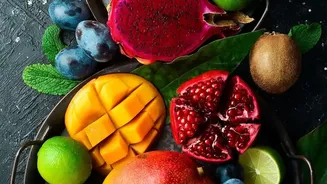
The ruby-red seeds of the pomegranate are packed with antioxidants, iron, and vitamins C and K. These nutrients support immunity, bone strength, and can help reduce inflammation in the body. Pomegranate is also beneficial for cardiovascular health. Eating the seeds whole provides fibre that is lost when the fruit is juiced, making it a much healthier option.
Custard Apple (Sitaphal)
Known for its creamy, sweet pulp, Sitaphal is a delicious winter treat. It is a good source of vitamins C and B6, as well as minerals like potassium and magnesium, which are important for heart health and energy. Despite its sweetness, its fibre content helps in the slow release of sugar. The fruit is known to boost immunity and is beneficial for skin and eye health.