





The Numbers in Context
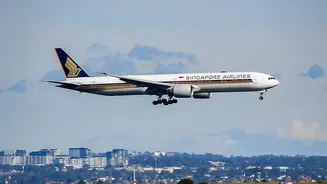
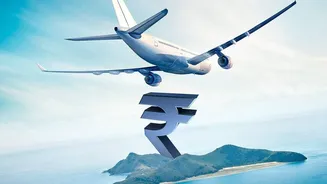
For the six months ending September 30, 2026, Air India's estimated loss stood at approximately ₹10,500 crore. This information comes via disclosures from Singapore Airlines (SIA), which holds a 25.1% stake in the carrier. While a significant loss, it
actually represents a 16% improvement from the roughly ₹12,500 crore loss posted in the same period last year. This reduction suggests that some of the initial cost-saving and operational restructuring efforts are beginning to take hold, even as the airline invests heavily for the future. However, external factors like high jet fuel prices, which surged by over 86% year-on-year, continue to apply pressure on the entire aviation industry.
Spend Money to Make Money
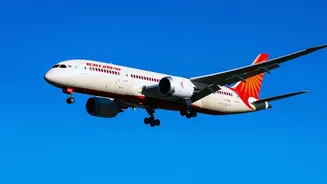
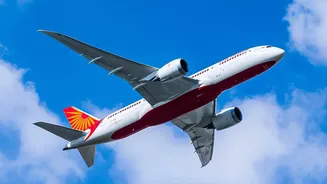
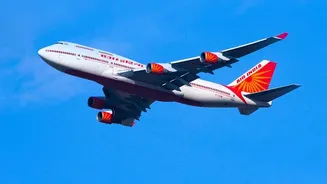
The primary driver behind the continued losses is not a lack of business, but rather a colossal, multi-billion-dollar investment programme. Since returning to Tata Group ownership in 2022, Air India has embarked on one of the most ambitious turnarounds in aviation history. This involves a massive fleet renewal, with hundreds of new aircraft on order from Boeing and Airbus. In 2026 alone, the airline is expected to receive dozens of new planes. Simultaneously, it is undertaking a comprehensive and costly refurbishment of its older wide-body jets to upgrade cabin standards and improve the customer experience. These foundational investments in modernizing a fleet that saw years of underinvestment are essential for long-term competitiveness but result in significant short-term expenses.
The Complex Task of Integration
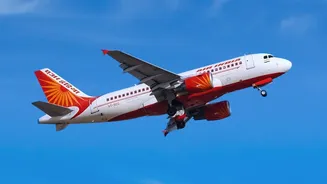
Beyond new hardware, the transformation involves the complex merger of four airlines—Air India, Air India Express, Vistara, and the former AirAsia India—into two distinct entities: a full-service carrier and a single low-cost carrier. This integration is a mammoth task, requiring the alignment of work cultures, operational processes, IT systems, and service standards. Singapore Airlines, a partner in this venture through the Vistara merger, has noted that both Tata and SIA are working to unlock 'great synergies' and cost efficiencies from this consolidation. However, such mergers are notoriously complex and expensive in the short term, contributing to the current financial figures as the new, unified structure takes shape.
Green Shoots and a Long-Term Vision
Despite the red ink, there are tangible signs of progress. Key shareholder Singapore Airlines has publicly stated that Air India has made 'tangible progress' in its transformation, including enhancements to customer experience and operational performance. The reduction in the half-year loss, even amidst rising fuel costs, is one such indicator. The airline is also strategically rebalancing its international network, with plans to establish Bengaluru as a third major hub alongside Delhi and Mumbai to better capture India's growing global traffic. The new CEO, Tewolde Gebremariam, who took charge in October 2026, has made cost control, operational efficiency, and a culture of frugality immediate priorities, signalling a sharpened focus on the path to profitability.