






The Science of the Shift
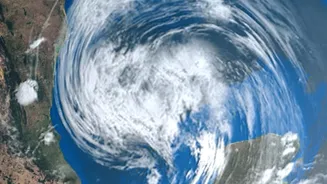
The Southwest Monsoon, which drenches the subcontinent from roughly June to September, doesn't just stop overnight. It’s a gradual retreat that begins in the northwest and moves southeast over several weeks. According to the India Meteorological Department
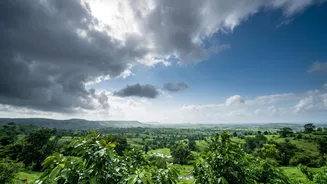
(IMD), the withdrawal process for 2026 is expected to begin around mid-September. Forecasts suggest that an anticyclonic circulation—a high-pressure system that pushes away rain-bearing clouds—is expected to strengthen over northwest India, signaling the start of a drier phase. While some regions may see lingering showers into late September, the overall trend is toward clearer skies and a significant drop in humidity. This is the moment many have been waiting for, as the oppressive, sticky feeling that makes even a 35°C day feel like 45°C finally begins to dissipate.
Finally, Dry Laundry
For months, households have battled the dreaded musty smell of clothes that refuse to dry. The high humidity during monsoon means moisture clings to fabrics, allowing odor-causing bacteria to thrive. The withdrawal changes everything. As humidity levels drop, evaporation speeds up dramatically. Suddenly, clothes hung out to dry are actually dry in a matter of hours, not days. To make the most of this, it's a good time to deep clean your washing machine. Running an empty cycle with vinegar or baking soda can eliminate any lingering mildew from the damp season. It’s also an ideal time to wash and thoroughly dry heavier items like bedding, curtains, and jackets that were impractical to clean during the rains. Ensure they are completely dry before storing to prevent any mustiness from creeping back in.
Navigating Post-Monsoon Commutes
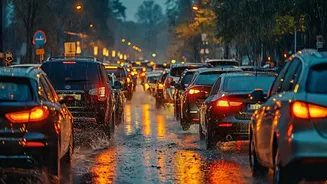
While the end of rain-induced traffic snarls is a relief, post-monsoon roads present their own challenges. Months of waterlogging leave behind a legacy of potholes and damaged surfaces, making commutes on two-wheelers and in cars a bumpy affair. Heavy rains can wash away the top layers of roads, exposing underlying structural issues. Be extra cautious, especially in the weeks immediately following the monsoon's retreat, as road repair work gets underway. Public transport, while no longer facing delays from flooding, may still be crowded as people adjust their travel patterns. The good news is that the end of downpours means fewer spontaneous transport cancellations and less surge pricing from ride-hailing apps that often take advantage of desperate, rain-soaked commuters.
A Golden Window for Travel
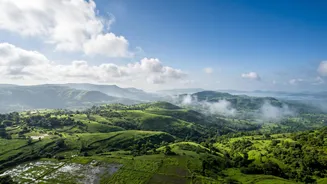
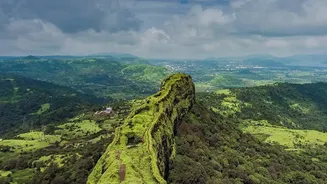
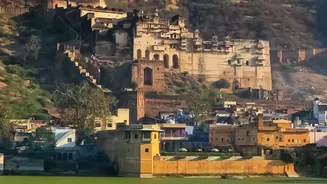
The period immediately following the monsoon, from late September to November, is widely considered one of the best times to travel in India. The landscape, having been washed clean by the rains, is at its most vibrant and green. Waterfalls are still full, mountains offer haze-free views, and the air is crisp and clear. Destinations like Munnar in Kerala, Coorg in Karnataka, and the Valley of Flowers in Uttarakhand are exceptionally beautiful during this time. It's also when many national parks, such as Jim Corbett and Kaziranga, reopen their core zones after being closed for the rainy season. This post-monsoon window offers pleasant weather before the peak winter tourist rush and the peak season prices that come with it, making it an ideal time for a getaway. However, remember that the withdrawal is staggered, so while Rajasthan might be dry, parts of the southern or eastern coast could still see rain.