





A Return to Ancient Grains
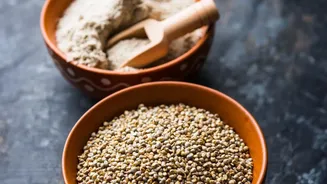
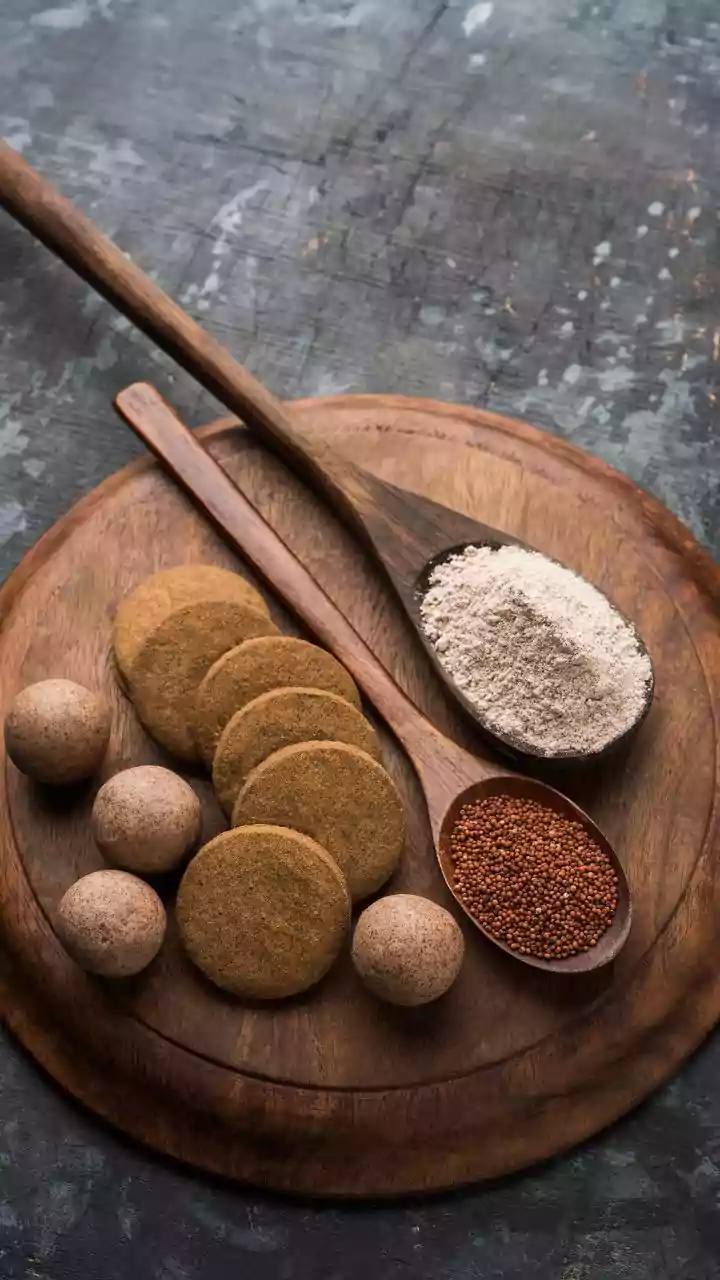
For centuries, millets like jowar, bajra, and ragi were staples across India. These hardy, nutritious grains formed the base of countless regional diets before falling out of favour during the Green Revolution, which prioritized wheat and rice. Now, a renewed
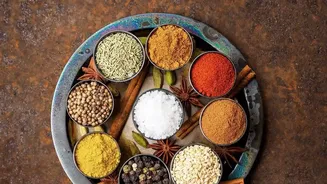
focus on health and sustainable agriculture is bringing them back to the forefront. These grains are not just gluten-free powerhouses of fibre and protein; they are canvases for some of India's most sophisticated flavour science. The magic isn't just in the millet itself, but in the traditional spice pairings that have been perfected over generations to make them both delicious and digestible.
Ragi's North-South Duality
In South India, especially Karnataka, finger millet or 'ragi' is famously prepared as a comforting porridge. The sweet version, often a breakfast food for children and adults, is a simple mix of ragi flour cooked with water or milk and sweetened with jaggery. The key spice here is cardamom. Its warm, floral aroma beautifully complements the earthy, slightly malty taste of ragi. For a savoury twist, known as Ragi Ambali, the cooked millet is cooled and mixed with buttermilk. This version is elevated with a tempering of mustard seeds, cumin, asafoetida (hing), and curry leaves, creating a cooling, tangy, and deeply flavourful drink perfect for summer days.
Bajra's Winter Warmth in the West
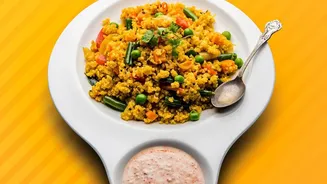
Travel to the arid landscapes of Rajasthan and Gujarat, and you'll find pearl millet or 'bajra' taking centre stage, especially during winter. Bajra Khichdi is a rustic, one-pot meal renowned for its warming properties. Traditionally, the spice profile is minimalistic but potent. Cumin seeds and a pinch of asafoetida are often tempered in ghee to start the dish. Ginger and green chillies may also be added for a gentle heat that cuts through the dense, nutty flavour of the bajra. According to Ayurveda, bajra is heating in nature, and these spices, particularly ginger, amplify that effect, making it the perfect comfort food for cold weather while also aiding digestion.
Jowar's Savoury Maharashtrian Heart
Sorghum, known as 'jowar', is another versatile millet, and in Maharashtra, it's used to create 'Jowar Ambil', a sour and savoury porridge. This fermented dish is a gut-friendly coolant. The porridge is prepared by cooking jowar flour and allowing it to cool before buttermilk is added. The flavour comes from a classic tempering, or 'tadka'. Oil is heated, and mustard seeds, cumin seeds, asafoetida, and curry leaves are sizzled to release their aromatic compounds. Minced garlic and green chillies are often included, lending pungency and spice. This combination creates a multi-layered flavour profile that is tangy, spicy, and deeply aromatic, turning a simple grain into a memorable meal.
The Science Behind the Spices
These pairings are not accidental; they are a form of culinary science refined over centuries. Many flavour compounds in spices are fat-soluble, which is why tempering them in oil or ghee is a crucial first step. This process, known as 'tadka', unlocks the full aromatic potential of spices like cumin and mustard seeds. Furthermore, combinations often serve a purpose beyond taste. Ayurveda considers millets to be dry ('Ruksha'), and spices like ginger and cumin are believed to stimulate the digestive fire ('Agni') to handle them better. Pairings like turmeric and black pepper are also known to increase the bioavailability of curcumin, the active compound in turmeric, enhancing its anti-inflammatory benefits.