



The Philosophy of Slowness in Tai Chi
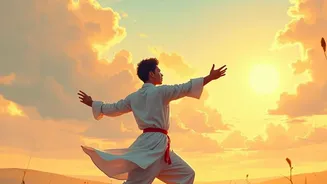
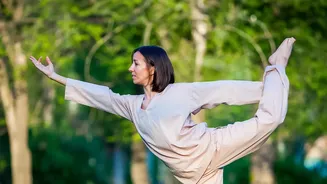
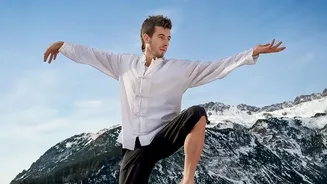
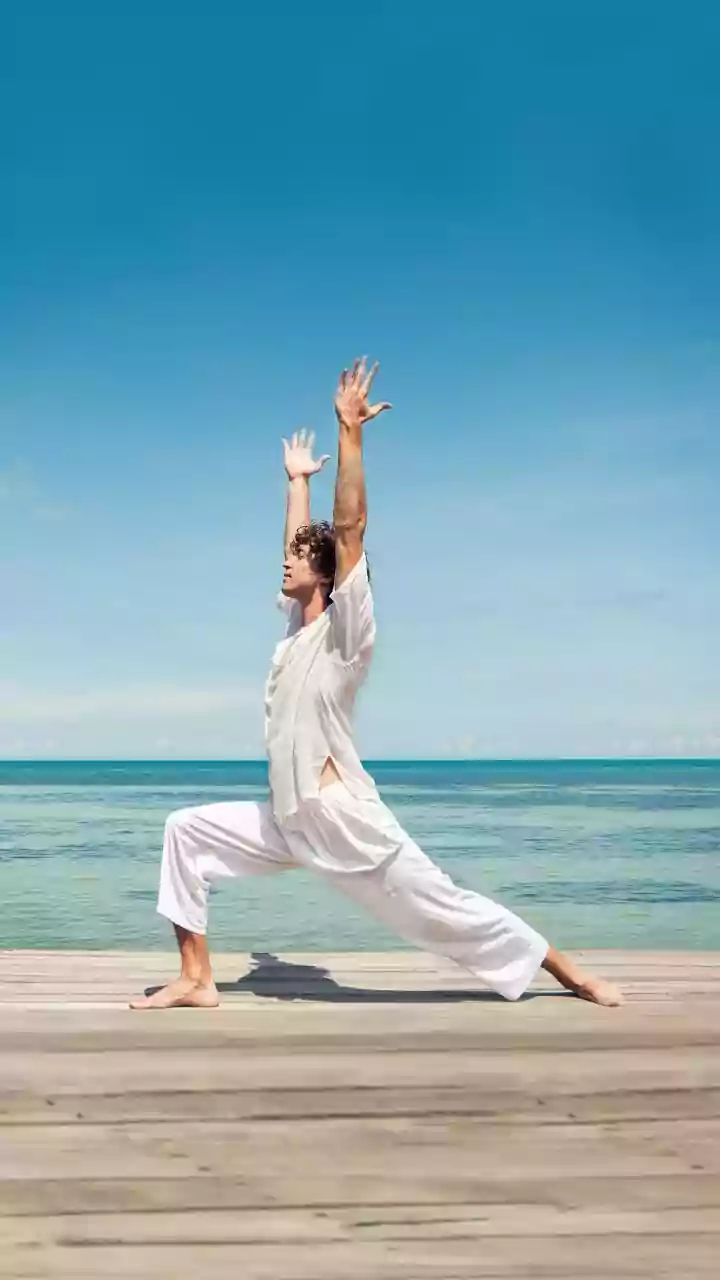
Tai Chi's slowness is not a lack of ability, but a deliberate tool for mastery. This ancient Chinese practice, often called a 'moving meditation', uses slow, controlled movements to cultivate a deep mind-body connection. The primary goal is not external
speed but internal awareness. By moving slowly, practitioners are forced to pay attention to every detail: the shift of weight, the coordination between the upper and lower body, and the flow of breath. This intense focus reveals flaws in form and balance that would be masked by speed. The slowness is designed to build stability, improve proprioception (the body's sense of its position in space), and train muscles to work in a relaxed, efficient, and coordinated manner. According to practitioners, this deliberate pace helps to cultivate 'Qi', or internal energy, promoting better circulation and reducing mental chatter. The result is a practice that strengthens the body holistically, calms the nervous system, and sharpens the mind through serene, focused motion.
The Physics of Speed in Skating
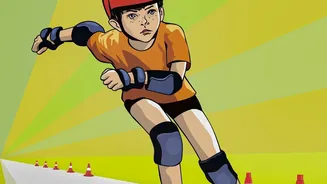
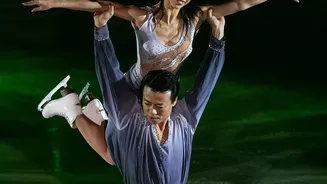
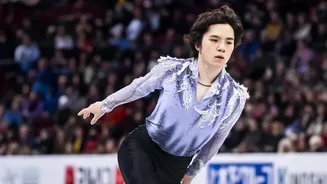
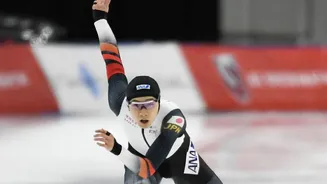
In skating, speed isn't just for thrill; it's a fundamental consequence of its physics. Whether on ice or wheels, skaters generate forward motion through Newton's third law: for every action, there is an equal and opposite reaction. By pushing sideways and backward against the surface, the skate blade or wheels push the skater forward. Unlike Tai Chi's focus on internal generation, skating is about an efficient transfer of energy with the external world. To achieve high speeds, skaters adopt a low posture to reduce air resistance, which is the primary force they have to overcome. They use long, powerful pushes to maximize the force applied, creating acceleration. Speed is also managed through the conservation of angular momentum, most famously seen when a figure skater pulls their arms in during a spin to rotate faster. The very design of skates—from the long, straight blades of speed skates to the curved ones of hockey skates—is optimized for generating and maintaining grip at different speeds and angles. Speed, therefore, is the very expression of skillful skating.
Contrasting Physical Demands
The different speeds create vastly different physiological demands. Skating, particularly speed skating, is a high-intensity cardiovascular workout. The explosive, powerful leg movements required to generate and maintain speed build significant lower-body strength and demand a high rate of oxygen consumption. It is an anaerobic and aerobic activity that challenges the body to produce and sustain power. Tai Chi, on the other hand, is a low-impact, moderate-intensity exercise. Its slow movements and static postures build strength in a different way, focusing on muscle endurance, stability, and joint flexibility. While skating builds core strength through dynamic, constant adjustments to maintain balance at speed, Tai Chi builds it by holding controlled positions and maintaining perfect alignment. Studies show Tai Chi is effective at improving balance, reducing falls, and strengthening muscles in a way comparable to resistance training, all while keeping stress on the joints to a minimum.
Mind Over Matter: Two Kinds of Focus
The mental states required for each discipline are as distinct as their speeds. Skating demands a reactive, external focus. A skater must constantly process their environment, anticipate changes in the surface, and make split-second decisions to maintain control and execute complex movements under pressure. This creates a state of 'flow' where the mind is fully absorbed in the present moment. Tai Chi cultivates a proactive, internal focus. It is a 'moving meditation' where the goal is to quiet the external world and unite the mind with the body. The practitioner pays close attention to the subtle sensations of movement, breath, and energy flow, which helps to dispel mental chatter and improve concentration. While both activities require immense focus, skating directs that focus outward to master external forces, whereas Tai Chi directs it inward to achieve internal harmony and self-awareness.