
The Mona Lisa at the Louvre
Everyone wants to see the world's most famous smile, but the experience can be surprisingly underwhelming. First, the painting itself is much smaller than most people imagine, measuring just 77 by 53 centimetres. Second, it’s housed in the Louvre's largest
room, the Salle des États, behind protective glass and a barrier, making it feel distant. The biggest issue, however, is the crowd. The area in front of the Mona Lisa is almost always a chaotic scrum of people holding up their phones, making a quiet, contemplative moment nearly impossible. Many visitors find themselves fighting for a glimpse only to be ushered along after a few seconds. For a more rewarding art experience, consider turning around to admire Veronese’s magnificent 'The Wedding at Cana,' the largest painting in the museum, which often goes ignored by the crowds fixated on da Vinci's work. Or, explore the Louvre’s other wings, which are filled with masterpieces you can appreciate in relative peace.
The Eiffel Tower Ascent
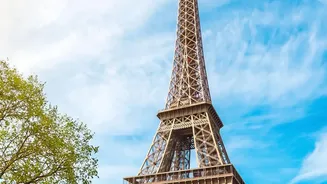
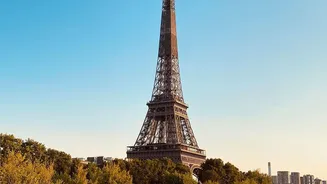
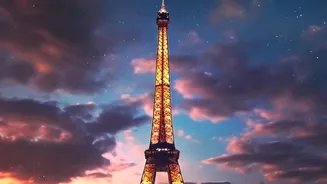
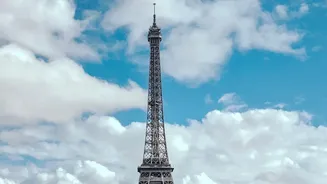
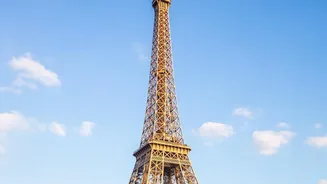
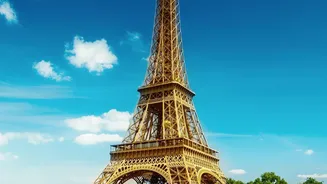
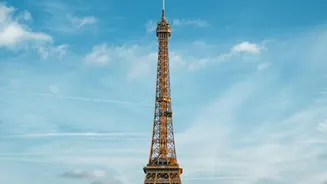
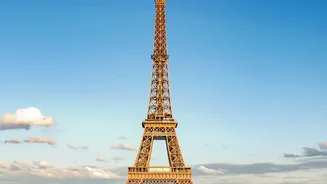
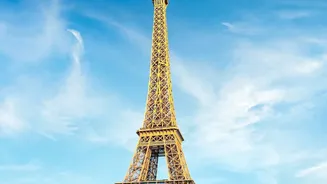
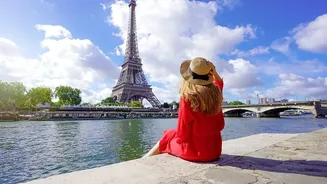
Seeing the Eiffel Tower is a quintessential Paris moment, but going to the top can be a lesson in patience. The biggest drawback is the queues. Long lines for security, tickets, and the elevators can consume hours of your valuable vacation time, even with pre-booked tickets. Once you reach the viewing platforms, you'll be sharing the panorama with hundreds of other visitors, which can make it hard to soak in the view peacefully. Ironically, the one thing you can't see from the top of the Eiffel Tower is the Eiffel Tower itself—a key component of the iconic Parisian skyline. For this reason, many argue that the best views of Paris are from other vantage points. A great alternative is climbing the Arc de Triomphe, which offers a stunning perspective down the Champs-Élysées with the Tower in full view. Another option is to simply enjoy the tower from the ground. A picnic on the Champ de Mars as the tower sparkles at night is a magical—and free—experience.
The Champs-Élysées Stroll
Often called 'the world's most beautiful avenue,' the Champs-Élysées can feel more like a crowded, overpriced shopping mall than a charming Parisian street. While it's home to flagship luxury stores and hosts major events like the Tour de France finish, many Parisians avoid it. They cite the overwhelming tourist crowds, heavy traffic, and the dominance of global chain stores over unique local boutiques. The cafés and restaurants lining the avenue are notoriously expensive, charging premium prices for the location. Instead of the romantic stroll you might envision, the experience is often noisy and commercial. For a more authentic and enjoyable Parisian walk, explore the Marais district, with its independent shops and historic streets, or Saint-Germain-des-Prés, known for its classic cafés and intellectual vibe.
The Beaches of Nice
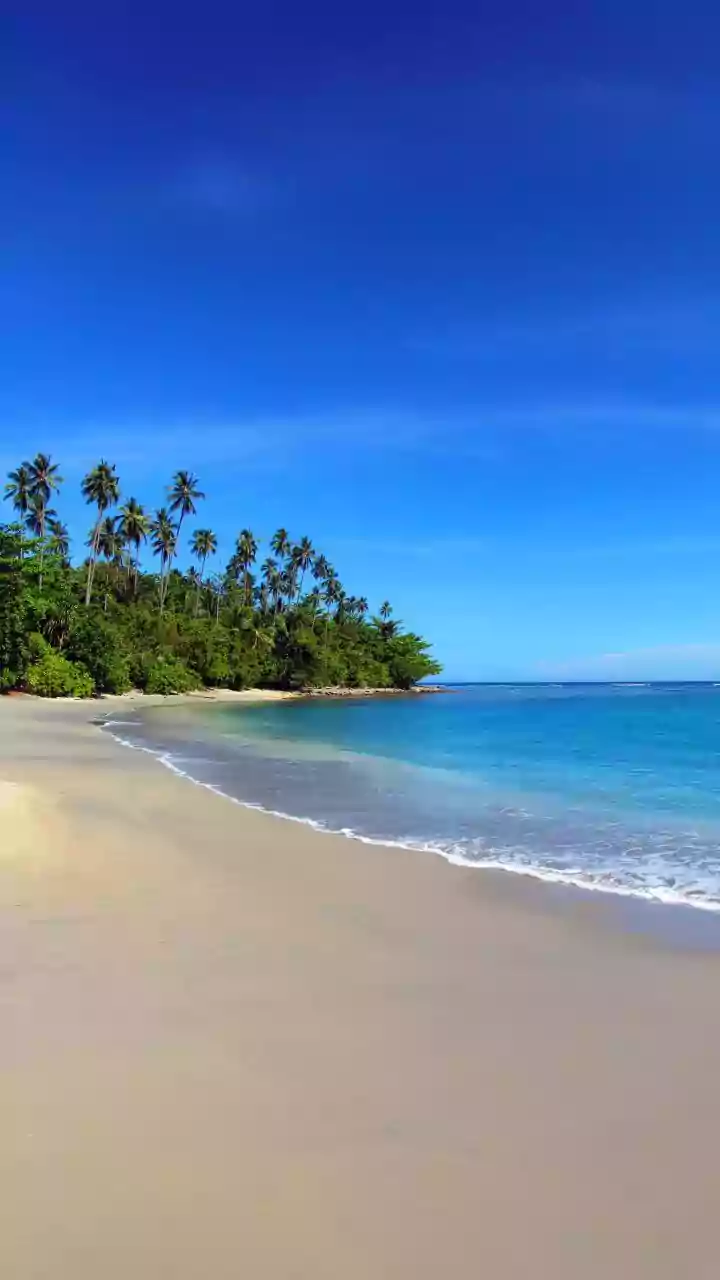
The deep blue water of the French Riviera at Nice is stunning, but many visitors are surprised to find that the beaches are not soft and sandy. The entire coastline along the famous Promenade des Anglais is covered in smooth, grey pebbles called 'galets'. While beautiful, these stones can be uncomfortable to walk on and lie on for extended periods. Getting in and out of the water can also be a wobbly, unsteady experience. While you can rent a padded lounger from a private beach club, it comes at a cost. For comfort on the public beaches, packing a thick mat and a pair of water shoes is highly recommended. If your heart is set on sand, you don't have to go far. Nearby towns like Villefranche-sur-Mer, Juan-les-Pins, and Antibes are just a short train ride away and boast the sandy shores you might have been picturing for your Riviera holiday.