





What Exactly is Wild Beri?
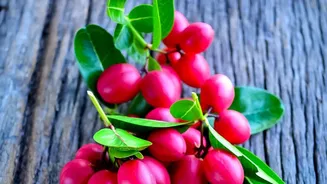
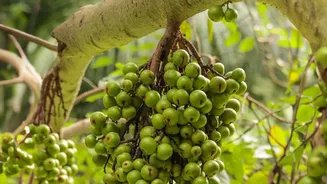
The wild beri, often called 'Jhar Beri' in local dialects, belongs to the Ziziphus family. The most common species found in these arid and semi-arid zones is Ziziphus nummularia, a thorny, much-branched shrub that forms dense thickets. This hardy plant
is perfectly adapted to the harsh conditions of Rajasthan, thriving in sandy soils and rocky slopes with impressive drought tolerance. It is distinct from its more commonly cultivated cousin, the Indian jujube or Ber (Ziziphus mauritiana), which is a larger tree. The wild beri produces small, round fruits that are green at first and turn a reddish-brown as they ripen under the winter sun.
A Nutritional Powerhouse
Don't let its small size fool you; this wild fruit is packed with nutrients. Often dubbed a 'superfood' of the desert, it is exceptionally rich in Vitamin C, an essential antioxidant that helps boost immunity. It is also a good source of dietary fibre, which aids in digestion, and contains other vital nutrients like Vitamin A, B complex vitamins, calcium, and iron. Traditional healers and local communities have long recognised its health benefits, consuming it to purify the blood, improve digestion, and combat fatigue. The fruit's sweet and sour taste makes it a popular seasonal delicacy, eaten fresh or dried.
Cultural and Mythological Roots
The wild beri holds a special place in the cultural and religious fabric of the region. It is most famously associated with the epic Ramayana, where it is believed that a devoted tribal woman, Mata Shabari, offered these humble fruits to Lord Ram. This story imbues the fruit with a deep sense of devotion and humility. Beyond mythology, the plant is part of the region's traditional ecological knowledge, with sacred groves in the Karauli district often protecting native flora, including Ziziphus species. These beliefs have historically contributed to the conservation of the plant and its surrounding ecosystem.
Ecological and Economic Importance
The wild beri plays a crucial role in the local ecology and economy. The thorny shrubs help prevent soil erosion and act as windbreaks in the arid landscape. The plant requires no cultivation, fertilisers, or irrigation, flourishing entirely on its own and providing a harvest even in difficult years. For local communities, especially women, collecting and selling the berries provides a vital source of income. The leaves serve as nutritious fodder for livestock like goats and camels, while the durable wood is used for fuel and making small agricultural tools. The entire plant ecosystem supports local fauna, as birds and other animals also depend on the berries for nourishment during the winter.
The Future of Rajasthan's Wild Apple
While hardy, the wild beri is not immune to modern pressures. Increasing population, changes in land use for agriculture, and overexploitation of forest resources pose a threat to its natural habitat. However, there is growing recognition of the value of such non-timber forest products. Efforts are being made by various organisations and self-help groups to promote value-added products like jams, chutneys, and dried berries, which can enhance economic returns for local communities and encourage sustainable harvesting practices. Conserving the wild beri means protecting not just a plant, but a symbol of Rajasthan's natural resilience, cultural heritage, and a source of livelihood for its people.