




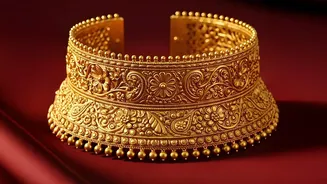
In India, the glint of gold is more than just a sign of wealth. It is the colour of tradition, a tangible piece of history passed from a grandmother's hand to a bride's neck, carrying stories, blessings, and a family's legacy within its gleam.
More Than Just a Precious Metal
For centuries,
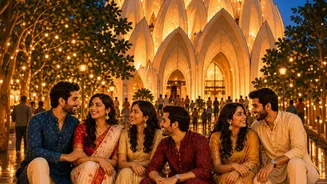
gold has been deeply interwoven into the fabric of Indian life, symbolising purity, prosperity, and good fortune. It is considered auspicious and is central to major life events, from a newborn's first gift to a bride's wedding ensemble. Festivals like Diwali, Dhanteras, and Akshaya Tritiya see a surge in gold purchases, driven by the belief that buying the metal on these days invites the blessings of Goddess Lakshmi and ensures continued prosperity. Beyond its spiritual significance, gold serves as a critical financial asset. It is a secure and liquid investment, offering families a safety net during economic uncertainty. This dual role as both a sacred symbol and a sound investment is what makes its place in Indian households so unique and enduring.
Heirlooms as Living History
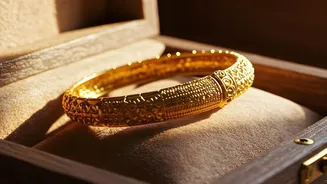
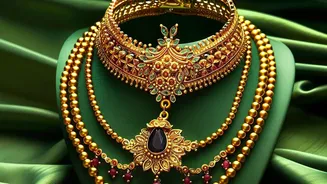
The true emotional weight of gold jewellery lies in its role as a family heirloom. A pair of bangles or a delicate necklace passed from mother to daughter is not just an object of value; it is a living archive, holding memories and unspoken stories. These pieces connect generations, allowing a young woman to feel the presence and strength of her ancestors. Wearing a grandmother's ring or a mother's wedding 'haar' is a deeply personal experience, a way of carrying forward a family's lineage and values. The jewellery becomes a tangible link to one's roots, a reminder of the continuity of family and tradition.
The Bride's Treasure: Stridhan
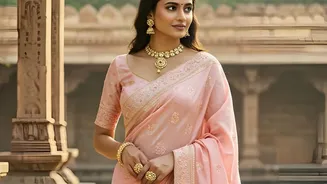
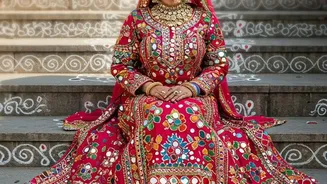
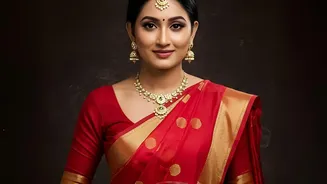
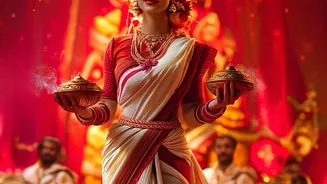
Nowhere is the significance of gold more visible than in an Indian wedding. Bridal jewellery accounts for a substantial portion of the country's annual gold demand. Pieces like the mangalsutra, bangles, and elaborate necklaces are not just for adornment; they are symbolic of the blessings and good wishes for the bride's new life. Crucially, gold gifted to a woman in connection with her marriage constitutes her 'Stridhan', or woman's wealth. Under Indian law, this is her absolute property, over which her husband or in-laws have no claim. This tradition historically provided women with a form of financial security and autonomy as they moved to their marital homes, an asset that was entirely their own.
A Symbol of Identity and Strength
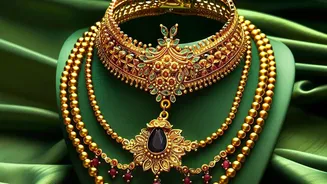
The specific designs of gold jewellery often reflect a family's regional heritage. From the intricate temple jewellery of the South to the Jadau and Kundan work of Rajasthan and Gujarat, each style tells a story of its origin. Passing these traditional ornaments down helps maintain a connection to one's cultural identity, even as families move across the country or the world. For many women, these heirlooms are also a source of empowerment. Historically, gold was one of the few assets a woman could own exclusively, and the act of passing it from one generation of women to the next is seen as a transfer of strength and resilience.
Tradition in a Modern World
While the love for gold remains constant, its expression evolves. Today's generations often seek to balance heritage with contemporary style. Many families choose to redesign heirloom jewellery, preserving the original gold or stones while updating the setting to suit modern tastes. This practice ensures that the emotional value of the piece is retained, allowing it to be worn and cherished rather than being locked away. Whether in its classic form or a modern interpretation, gold jewellery continues to be an essential thread in the rich tapestry of Indian family life, binding generations together with its timeless glow.