
Why Drainage Is Non-Negotiable
Proper drainage is fundamental to the health of potted plants. While roots need water, they also require oxygen to function. When soil becomes waterlogged due to a blocked drainage hole, the air pockets in the soil fill with water, effectively suffocating
the roots. This creates an anaerobic environment ripe for root rot, a fungal condition that causes roots to become brown, mushy, and unable to absorb nutrients or water. Beyond root rot, poor drainage can also lead to a harmful buildup of salts from tap water and fertilisers, creating a toxic environment for your plant. Proper watering that allows water to flow freely through the pot flushes these excess salts out.
Silent Signs of a Blockage
A blocked drainage hole often reveals itself through subtle clues in the plant's appearance. One of the most common signs is yellowing leaves, especially lower ones, which indicate distress. You might also notice that the plant is wilting or drooping, even when the soil feels moist; this is a classic sign of root rot, as the damaged roots can no longer absorb water. Other indicators include slowed or stunted growth, leaf drop, and water pooling on the soil's surface long after watering. In some cases, you might even detect a foul, swampy odour from the soil, which points to the presence of anaerobic bacteria and decay.
Proactive Steps for Prevention
Preventing a clog is always better than fixing one. The first step is to use a high-quality potting mix, not garden soil, which is often too dense and compacts easily. To stop soil from immediately washing out of a large drainage hole, you can place a single piece of a broken pot, a small piece of mesh screen, or even a coffee filter over the opening. The goal is to create a barrier for the soil without impeding water flow. Choosing the right pot size is also crucial; a plant in a container that is too large will have soil that stays wet for too long, while a pot that is too small encourages roots to circle and eventually plug the drainage hole.
The Myth of Bottom-Layer Gravel
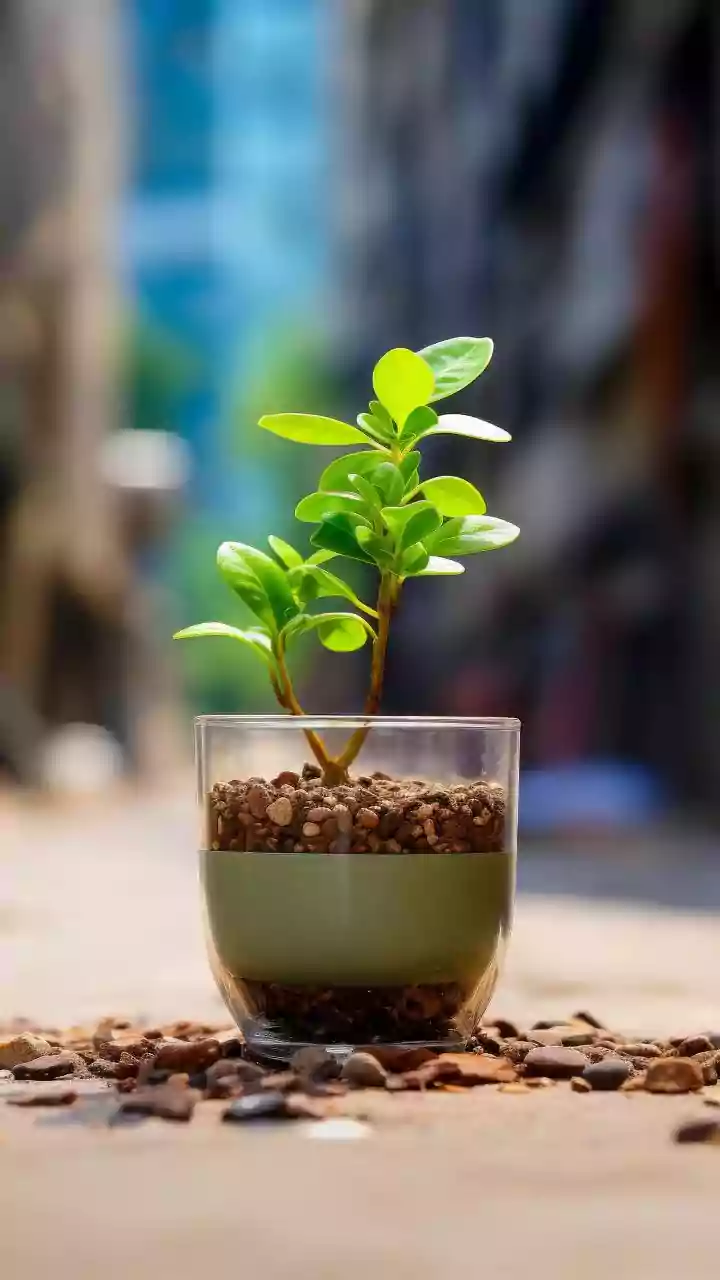
A persistent gardening myth suggests that adding a layer of gravel or rocks to the bottom of a pot improves drainage. However, soil science shows this is counterproductive. Water does not move easily from a fine-textured material (like soil) to a coarse-textured one (like gravel). Instead of draining away, water collects in the soil just above the gravel layer, creating what is known as a 'perched water table'. This effectively raises the saturated zone higher in the pot, closer to the plant's delicate roots, and increases the risk of root rot while reducing the total volume of soil available to the plant.
How to Fix a Clogged Hole
If you suspect a drainage hole is blocked, the first step is to gently tilt the pot to see if any excess water runs out. If the pot is too heavy, try propping one side up on a small wedge, like a brick. This can sometimes be enough to relieve pressure and allow water to escape. For a more stubborn clog, you can use a thin stick, a skewer, or a piece of wire to gently poke up into the drainage hole from the outside to dislodge the compacted soil or root matter. Be careful not to damage the roots excessively. If the blockage is severe and the plant is showing significant signs of distress, the best solution is to carefully remove the plant, trim away any dead or rotting roots, and repot it with fresh potting mix into a clean pot with clear drainage.