



The Aftermath of the Feast
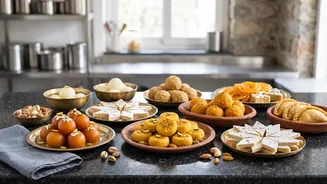
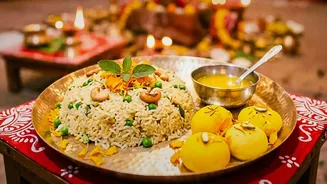
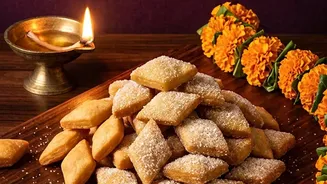
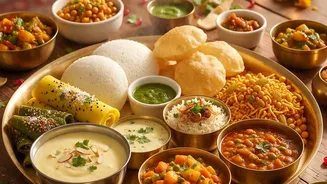
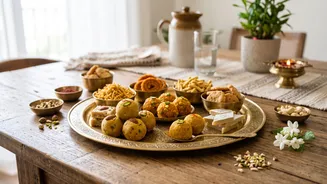
Every festive season brings joy, family, and an abundance of food. From sweets and snacks to elaborate main courses, our kitchens work overtime. But in the quiet days that follow, we face a familiar challenge: a refrigerator packed with containers of delicious,
but perishable, leftovers. This is where food waste often begins. A mix of cooked dishes, half-used ingredients, and gifted sweets can feel overwhelming. Without a clear system, it’s easy for items to get pushed to the back and forgotten, only to be discovered weeks later. Tackling this problem starts not in the fridge, but in the pantry, your kitchen's command centre.
Your Pantry: The Heart of a Waste-Free Kitchen
Think of your pantry as more than just a storage closet. A well-organized pantry gives you a clear picture of what you own, preventing you from buying duplicate items and inspiring you to use what you have. When you can see your stock of rice, dal, spices, and other staples at a glance, you are better equipped to turn leftovers into new, exciting meals. An organized space reduces stress, saves time during meal prep, and, most importantly, puts you in control of your kitchen inventory. This control is the foundation of reducing the estimated 30-50% of produce that often goes to waste in Indian homes.
Implement the 'First In, First Out' Rule
The single most effective principle for managing both pantry goods and leftovers is 'First In, First Out' or FIFO. This simple inventory rotation system means the first items to enter your pantry or fridge should be the first ones to be used. When you unpack groceries or store leftovers, place the newest items at the back of the shelf. This pushes older items to the front, reminding you to use them first. This practice is crucial for perishables and leftovers, ensuring that food is consumed when it's at its freshest and safest, and preventing items from expiring at the back of a cluttered shelf.
Visibility is Key: Use Clear Containers
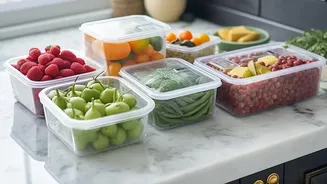
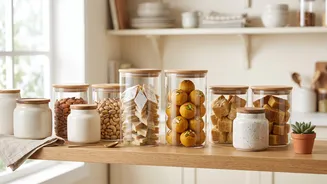
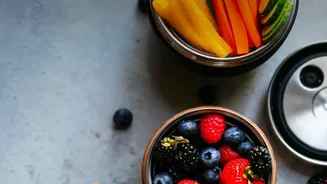
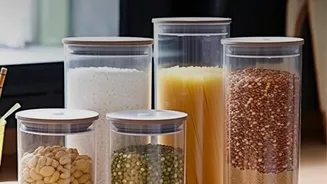
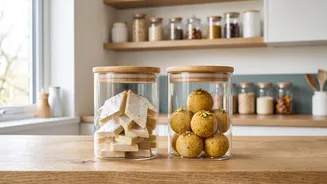
The saying 'out of sight, out of mind' is a primary cause of food waste. Combat this by using clear containers for storing leftovers and pantry staples. When you can easily see the leftover sabzi or the remaining portion of dal, you are far more likely to use it. Invest in a set of glass or good-quality, BPA-free plastic containers in various sizes. For leftovers, this makes identifying food effortless. In the pantry, decanting items like grains, pastas, and snacks into clear canisters keeps them fresh and lets you see your inventory levels instantly.
Create a Dedicated 'Eat Me First' Zone
A simple but brilliant hack is to designate a specific area in your refrigerator as the 'Eat Me First' zone. This could be a particular shelf or a brightly coloured box. Place all items with a short shelf-life here: leftovers from the previous night, yogurts nearing their expiry date, and vegetables that are starting to wilt. This creates a clear visual cue for the whole family about what needs to be consumed urgently. It takes the guesswork out of deciding what to eat and ensures that perishable food is prioritized, drastically cutting down on what you end up throwing away.
Label Everything, No Exceptions
A clear container is good, but a labelled clear container is even better. Always label your leftovers with the name of the dish and the date it was prepared. This eliminates the mystery of what's in the container and how old it is. According to the USDA, most cooked leftovers should be consumed within three to four days for safety and quality. A simple label made with masking tape and a marker is all you need. This habit is crucial for food safety, especially in a fridge full of various festive dishes. It helps you quickly decide if something is safe to eat, repurpose, or freeze.
Think Beyond Storage: Repurpose and Freeze
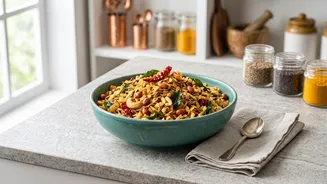
Smart organization also involves thinking creatively about your leftovers. Don't just store them; transform them. Leftover roast vegetables can be blended into a soup or added to a grain bowl. Extra dal can be used to make parathas. Vegetable scraps and peels can be simmered to create a flavourful stock for future soups and curries. For items you can't use within a few days, the freezer is your best friend. Many Indian dishes like curries, dals, and even rice freeze beautifully. Portion them into freezer-safe containers for a quick and easy meal on a busy day, saving you both time and money.