





A Double-Edged Sword for Farmers
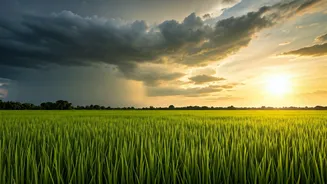
The monsoon is the lifeblood of Indian agriculture, with the June-to-September rains being crucial for Kharif crops like rice, soybeans, and cotton. A good monsoon generally means a bountiful harvest, boosting the rural economy. However, the rains are
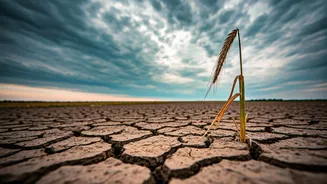
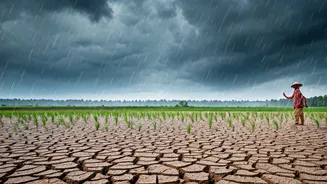
a gamble. Too much rain can be as damaging as too little. The 2026 monsoon, for example, has been marked by a delayed onset and the looming threat of El Niño, which could lead to weaker and more erratic rainfall. This unpredictability creates a precarious situation for farmers and, by extension, consumers. Excessive rain can lead to waterlogged fields, damaging standing crops and preventing farmers from sowing new ones.
The Immediate Hit on Perishables
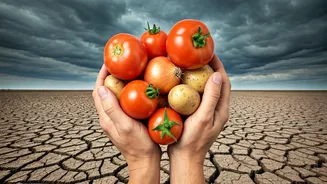
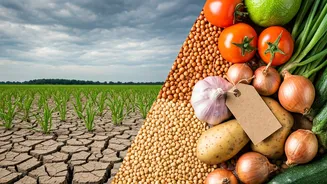
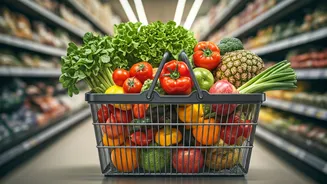
The first and most noticeable impact on your budget is the price of fresh produce, especially leafy greens and tomatoes. These items are highly susceptible to damage from heavy rains, which can ruin the crop, affect nutrient uptake, and make harvesting difficult. The result is a sudden drop in supply. When fewer vegetables make it to the market, but demand remains high, prices inevitably shoot up. For instance, pre-monsoon showers have previously caused tomato prices to surge by 30-40% in wholesale markets. This is a direct farm-to-market shock that consumers feel almost immediately.
Logistics and Supply Chain Nightmares
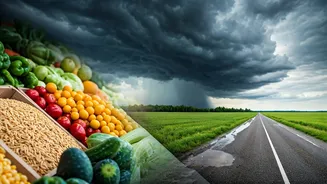
Getting food from the farm to your local vendor becomes a significant challenge during the monsoon. Heavy rainfall can lead to flooded highways, damaged roads, and delayed rail freight, disrupting the entire supply chain. This can increase transportation time by up to 40% and costs by around 15% in some regions. Trucks may need to be rerouted, and vehicle movement around waterlogged warehouses can slow down loading and unloading. Every delay adds to the final cost of the product. Sometimes, even when produce is available at the source, it can't reach urban centres efficiently, creating artificial shortages and driving up local prices.
Beyond Fresh Produce
While vegetables are the most visible victims of monsoon price hikes, the impact doesn't stop there. The availability and quality of fodder for cattle can be affected, which in turn influences milk production and prices. Furthermore, the overall performance of the monsoon sets the stage for the availability and pricing of staple grains and pulses later in the year. A weak monsoon can reduce yields for essential crops, prompting fears of future shortages. It can also affect imported goods; for example, India's reliance on edible oils from Southeast Asian countries, which are also vulnerable to El Niño, can lead to higher prices.
Market Fears and Government Action
The economics of the monsoon are not just about physical supply and demand; they are also about psychology. The expectation of a poor monsoon can be a self-fulfilling prophecy. Traders may begin hoarding essential commodities in anticipation of future price rises, further squeezing current supply and inflating prices. To counter this, the government often steps in. Measures can include releasing buffer stocks of grains, cracking down on hoarding, and sometimes imposing export restrictions on commodities like rice or sugar to ensure sufficient domestic supply. The Reserve Bank of India also closely monitors the situation, as food inflation can have a major impact on the country's overall economic outlook.