



The Grains We Almost Forgot
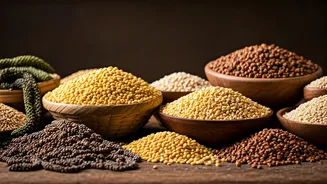
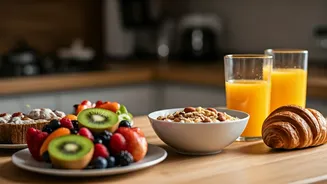
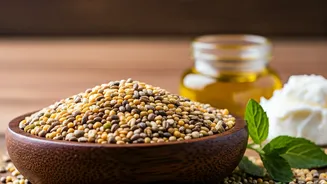
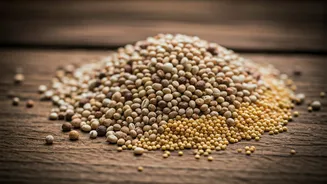
Step into a trendy urban café today, and you might find ragi pancakes or a quinoa-style millet salad on the menu. These aren't new inventions but a revival of ancient staples. The stars of this comeback are millets—a group of hardy, small-seeded grasses
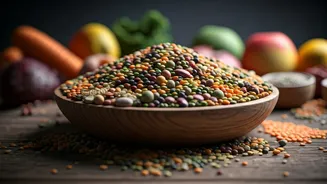
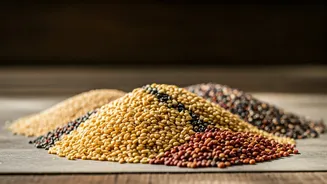
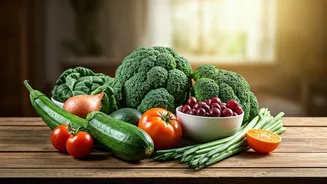
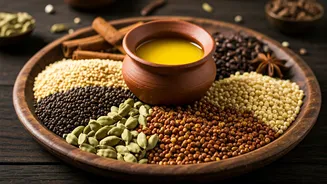
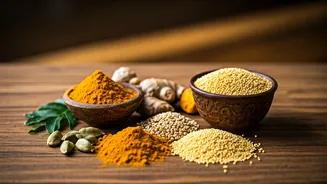
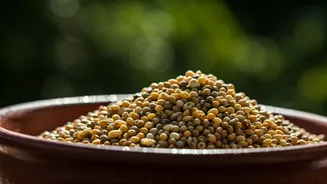
that were once the bedrock of Indian agriculture. Think of jowar (sorghum), bajra (pearl millet), and ragi (finger millet). These grains, often dismissed as ‘coarse’ or ‘rural’ food, are now being celebrated as ‘superfoods’. Alongside millets, other traditional fiber sources are making a return. This includes indigenous varieties of unpolished rice, which retain their nutrient-rich bran layer, as well as legumes, lentils, and pulses that have always been a part of the Indian diet but are now being appreciated for their high fiber and protein content. Even vegetables like jackfruit, once a humble backyard staple, are now being marketed as a trendy, high-fiber meat substitute. This rediscovery isn't just about a single ingredient; it's about embracing a whole ecosystem of nutrient-dense, traditional foods.
A Reaction to Modern Problems
So, why the sudden change of heart? The answer lies in India's changing health landscape. The country is grappling with a surge in lifestyle diseases like type-2 diabetes, obesity, and cardiovascular issues. Many health experts link this crisis to the shift towards highly processed foods and refined carbohydrates, which cause rapid spikes in blood sugar and offer little nutritional value. Traditional fiber-rich foods do the opposite. Fiber slows down the absorption of sugar, helping to manage blood glucose levels. It also promotes a feeling of fullness, which can aid in weight management. As awareness about gut health grows, the role of fiber as a prebiotic—food for the beneficial bacteria in our gut—is also being widely discussed. This rediscovery, therefore, is less about nostalgia and more about finding practical, time-tested solutions to very modern health problems. It's a conscious choice to eat for long-term wellness, not just for convenience.
From Farm to Global Stage
This movement is receiving a major push from the highest levels. The Indian government has been actively promoting millets, culminating in the United Nations declaring 2023 the ‘International Year of Millets’ at India’s behest. This has put a global spotlight on these humble grains, boosting their profile and creating new markets for farmers. This shift is also an environmental win. Millets are true climate-smart crops. They require significantly less water than rice and wheat, are more resistant to drought and heat, and can grow in poor soil without heavy reliance on chemical fertilisers. By choosing to eat more millets, consumers are not only improving their health but also supporting a more sustainable agricultural system and empowering small-scale farmers who cultivate these resilient crops. It's a powerful reminder that our dietary choices have a ripple effect that extends far beyond our own bodies.
Making Ancient Grains Modern
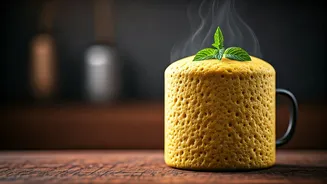
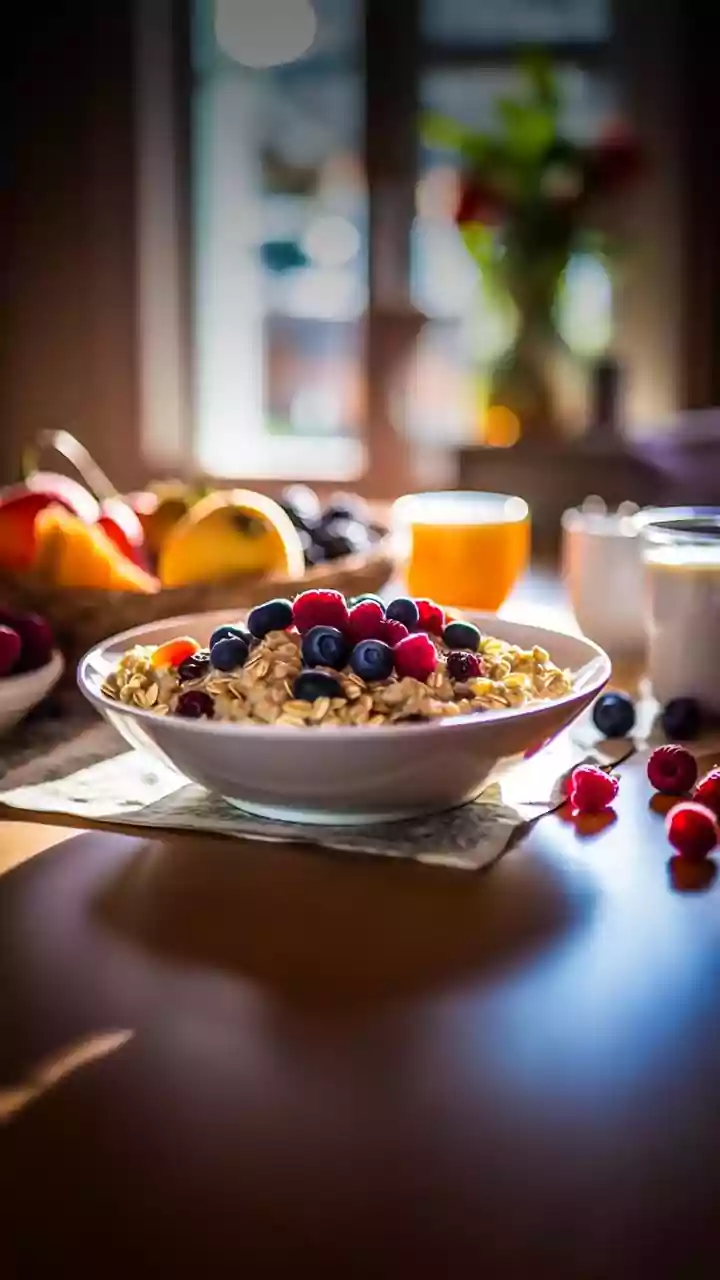
Bringing these foods back to your kitchen doesn't mean you have to cook exactly like your grandmother did. The beauty of this revival is its adaptability. You can start small. Swap one of your wheat-flour rotis for a jowar or bajra bhakri. Try making your morning porridge with ragi instead of oats. Millet flours can be incorporated into dosas, muffins, and even cakes. Food bloggers and chefs are creating a wealth of modern recipes that make these ingredients exciting for a new generation. Think millet biryanis, foxtail millet upma, and even jowar-based pizza crusts. The key is to experiment and find what works for you. By integrating these traditional fibers into your diet, you're not just eating healthier; you're participating in a delicious cultural movement that connects the past to a healthier future.