





The Cardio Era: A Focus on Shrinking
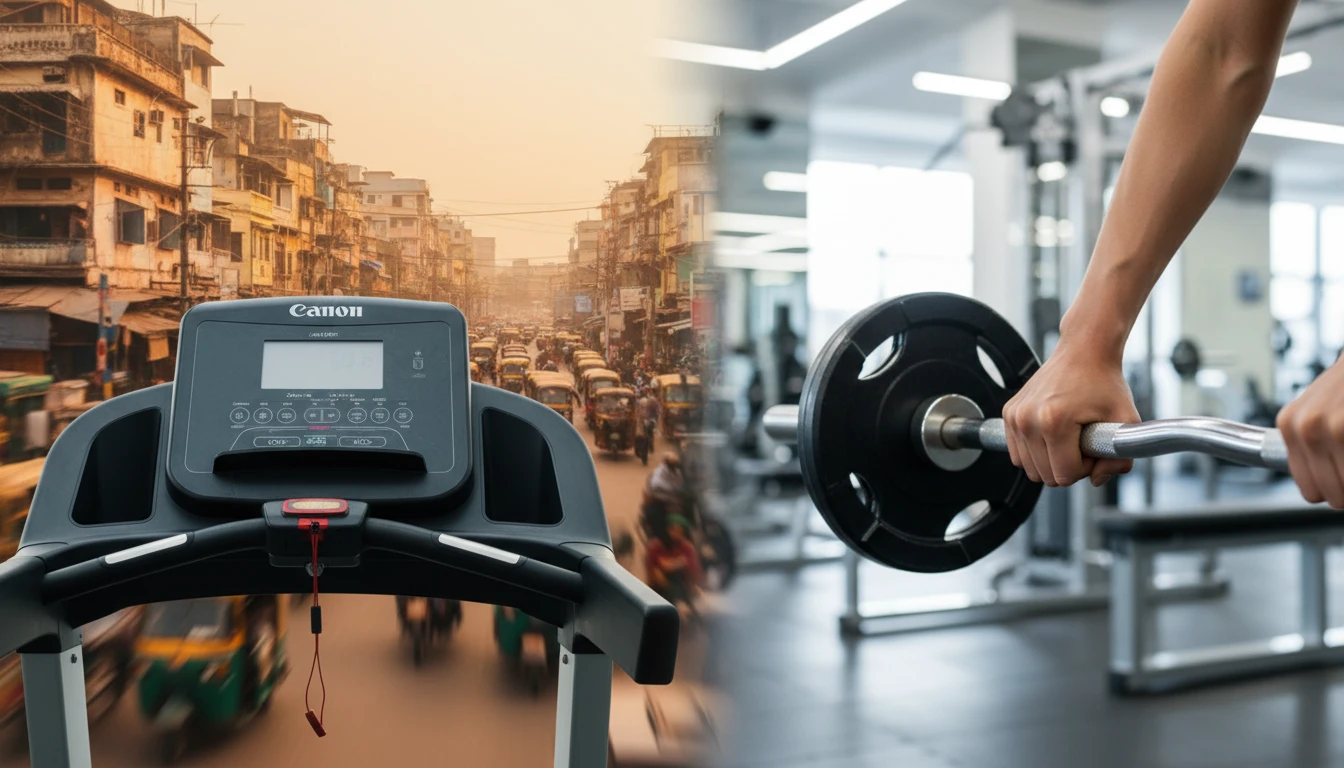
For decades, the fitness narrative for Indian women was overwhelmingly focused on one goal: getting smaller. The ideal was a slim, toned physique, and the prescribed path involved endless hours of cardio. Treadmills, elliptical machines, and aerobics
classes were seen as the primary tools in a woman's fitness arsenal. The language of fitness revolved around burning calories and losing weight, a philosophy of subtraction. This approach was reinforced by societal norms and media portrayals, where health was often conflated with thinness. The weights section, with its intimidating equipment and predominantly male population, felt like a different territory altogether, often shrouded in myths about women 'bulking up'.
The Strength Shift: Building Up, Not Just Slimming Down
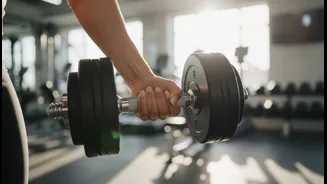
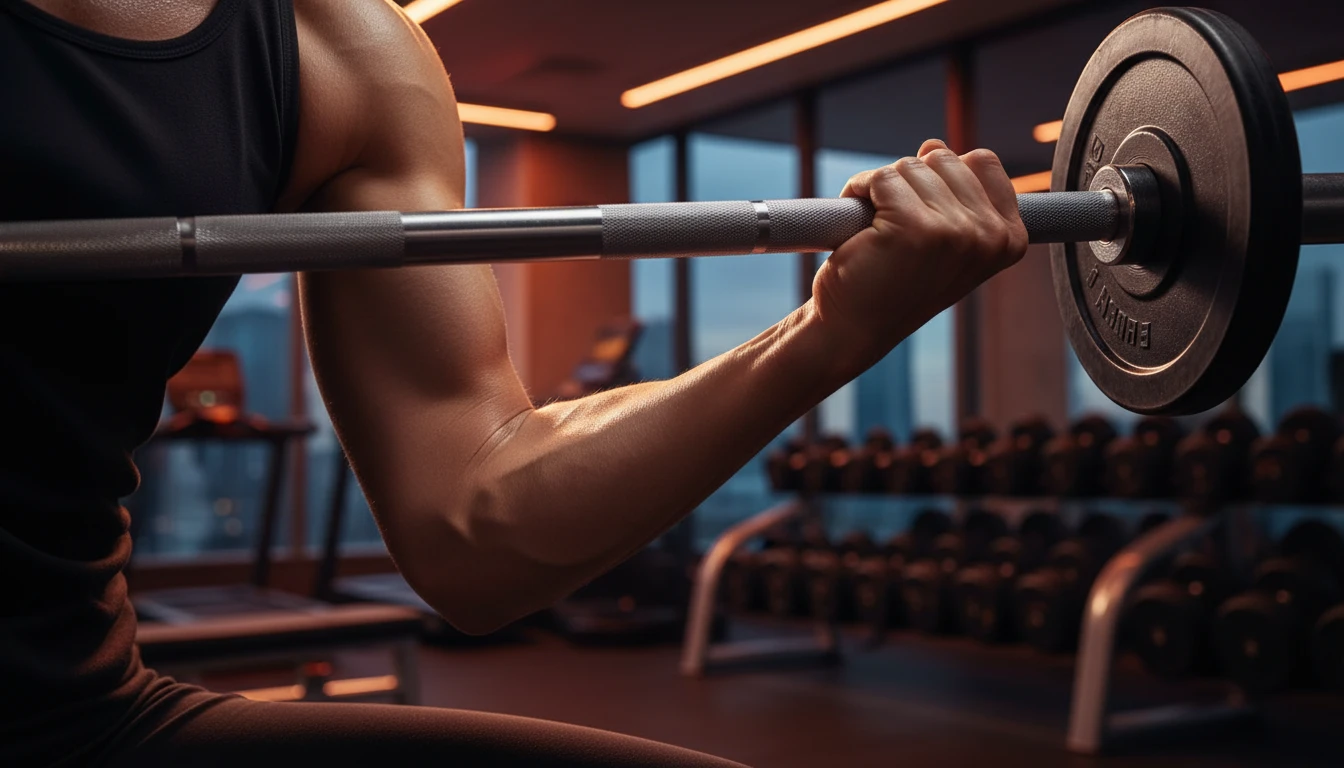
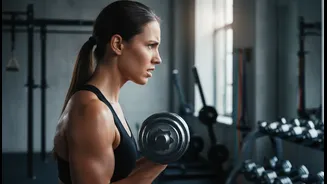
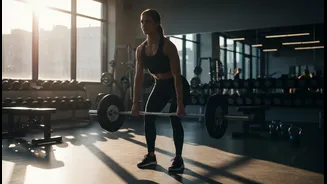
Today, that narrative is being rewritten. Urban women are increasingly walking past the treadmills and heading straight for the squat racks, barbells, and kettlebells. This isn't just a fleeting trend; it's a fundamental shift in the definition of fitness from an aesthetic pursuit to a quest for capability and power. The conversation has changed from “How much weight did you lose?” to “How much can you lift?”. This movement is about addition: adding muscle, building strength, and gaining confidence. Women are discovering that lifting weights doesn't make them bulky, a long-standing myth that is finally being debunked by science and visible results.
More Than Muscle: The 'Why' Behind the Movement
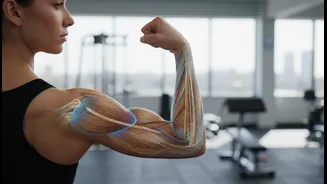
The reasons for this migration to strength training are as diverse as the women themselves. For many, it's about functional strength—the ability to perform daily activities with ease, from carrying groceries to lifting a child. For others, the mental benefits are the biggest draw. The discipline, resilience, and confidence gained from lifting heavy things translate directly into other areas of life, providing a powerful sense of empowerment and control. There's also a growing awareness of the long-term health benefits. Strength training is one of the best defences against age-related muscle loss and bone density issues like osteoporosis, which disproportionately affect women. It also plays a crucial role in managing metabolic health, improving insulin sensitivity, and reducing the risk of lifestyle diseases.
Overcoming Barriers and Finding Community
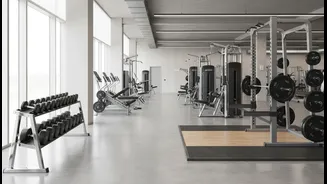
The journey to the weights room hasn't been without its challenges. Gyms can be intimidating spaces, historically designed with a default male user in mind. Many women report feeling hyper-aware or uncomfortable, facing issues from unsolicited advice to outright staring. In response, a new ecosystem of support is emerging. Women are creating their own communities, both online and in person. Women-only lifting groups and fitness communities are providing safe, encouraging spaces where the focus is on shared progress, not performance anxiety. The rise of female trainers and social media influencers demystifying weightlifting has also played a crucial role, providing accessible knowledge and relatable role models.
Redefining Health for the Long Haul
This embrace of strength training represents more than just a new workout preference. It signifies a deeper redefinition of what it means to be physically healthy. It's a move away from short-term, appearance-based goals toward a holistic and sustainable vision of long-term well-being. By prioritising strength, urban Indian women are not just building stronger bodies; they are building resilience, fostering independence, and challenging outdated cultural norms about femininity and fragility. They are proving that strength is not a masculine trait but a human one, and that the most powerful transformation begins when you decide to build yourself up.