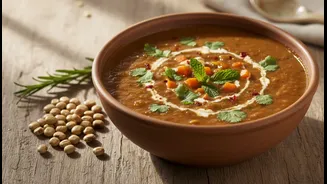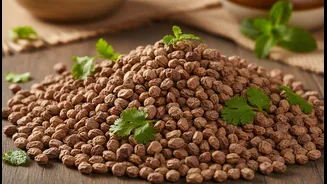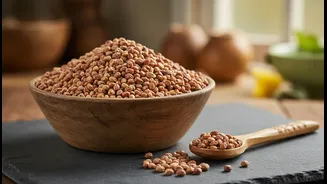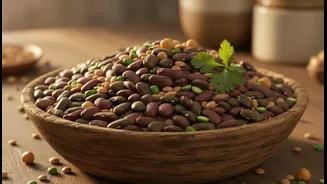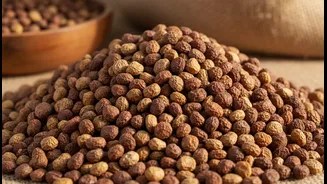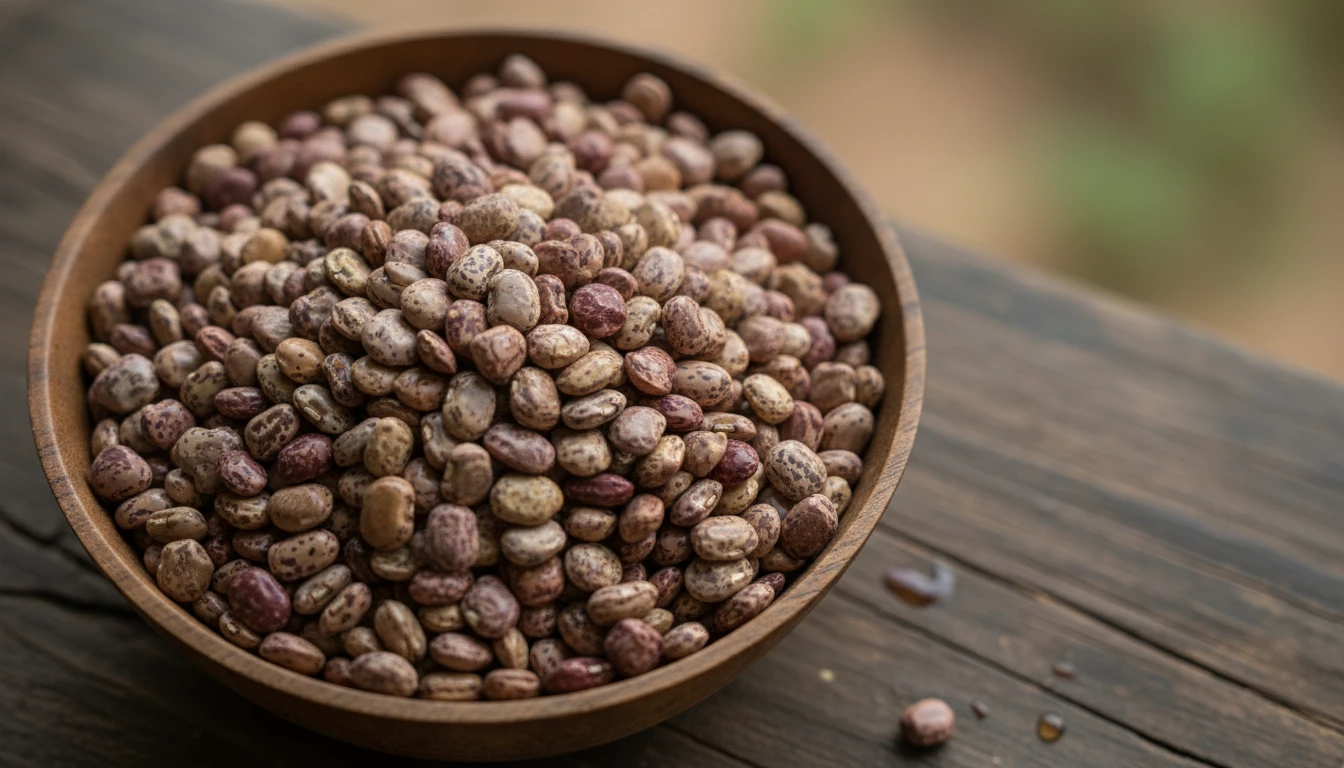




What is Horse Gram, Anyway?
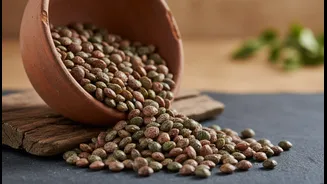
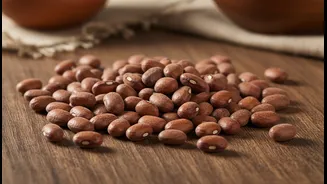
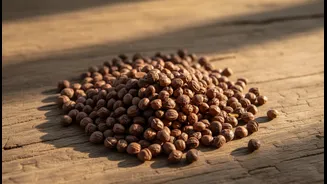
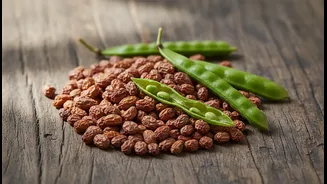
Known as kulthi in Hindi, kollu in Tamil, and ulavalu in Telugu, horse gram (Macrotyloma uniflorum) is a small, resilient legume that has been a part of India's food history for centuries. Historically cultivated in arid, southern regions of the country,
it earned its English name for its traditional use as feed for horses and cattle. But for generations, it has also been a crucial source of sustenance for rural and tribal communities, valued for its ability to thrive in tough conditions where other crops might fail. With its robust, earthy flavour and dense texture, it stands apart from softer dals, offering a heartier and more substantial meal.
A Nutritional Powerhouse on a Budget
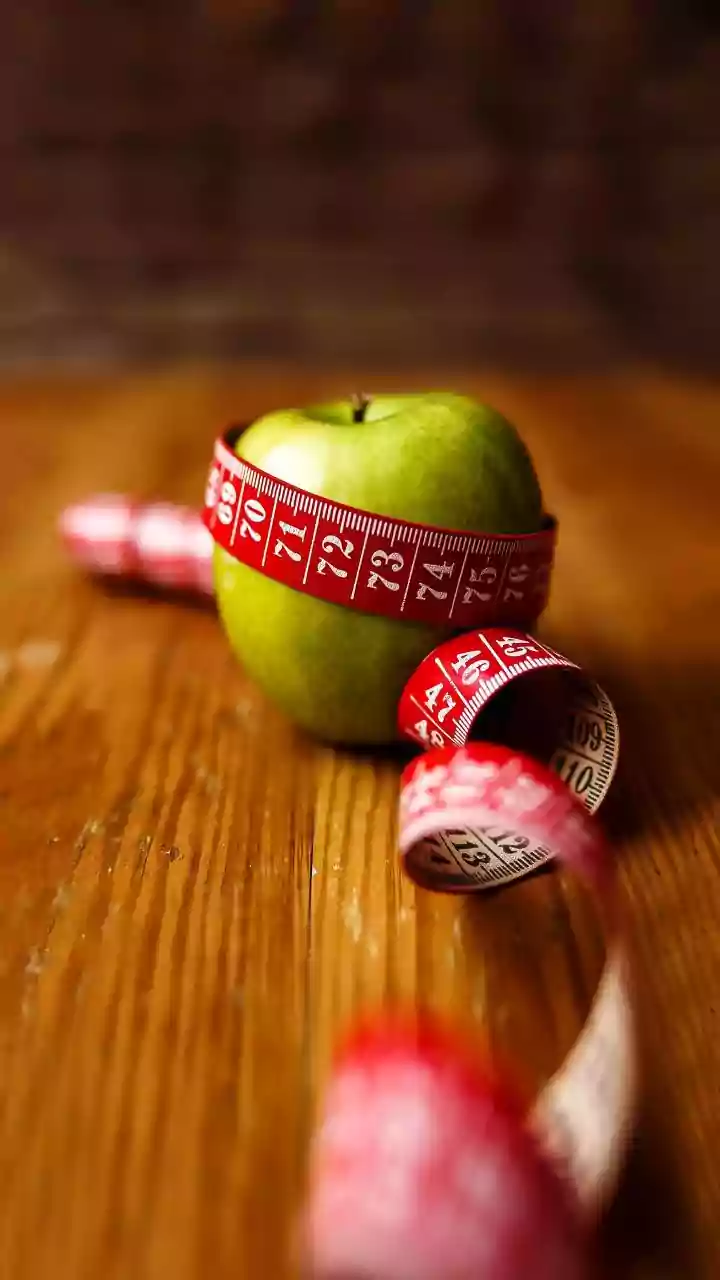
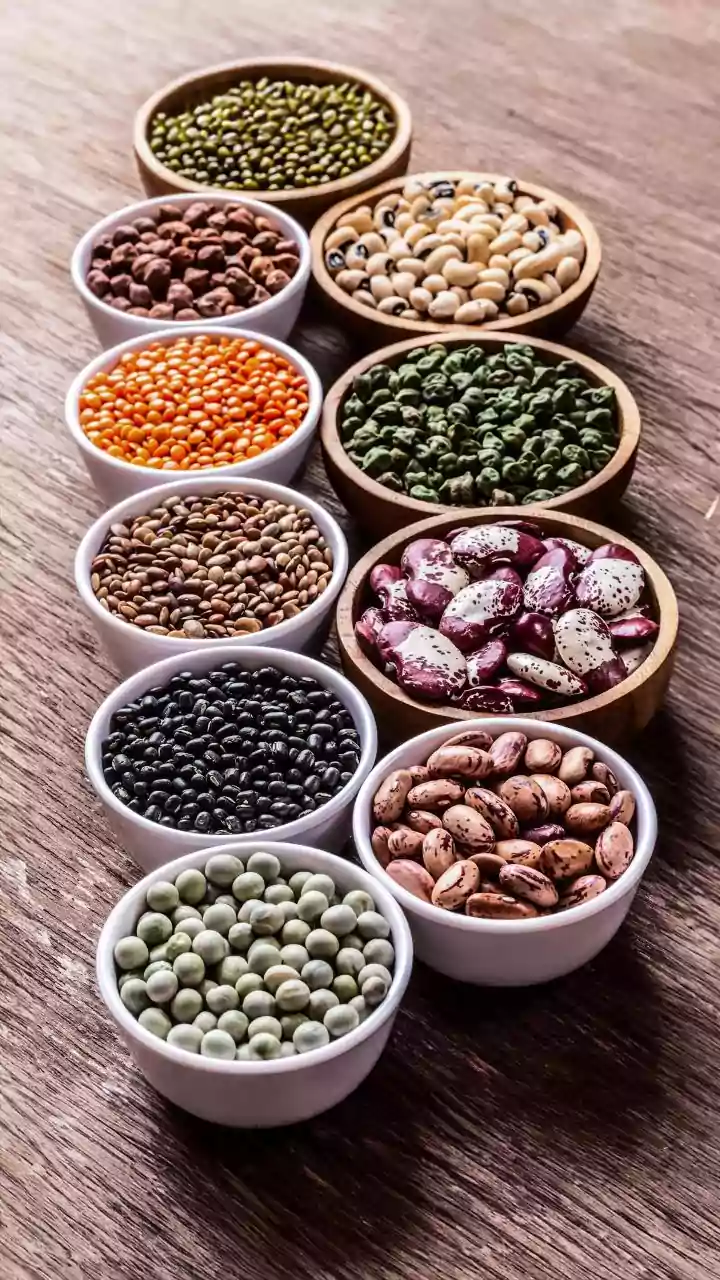
One of the biggest drivers of horse gram's rising popularity is its incredible nutritional profile. It is one of the richest vegetarian sources of protein, packing around 22-24 grams per 100 grams. It also boasts the highest calcium content among pulses and is an excellent source of iron, molybdenum, and dietary fibre. In traditional Ayurvedic practices, horse gram is considered a "warming" food, often recommended to boost metabolism and digestion. It's been used for ages as a folk remedy for conditions like kidney stones, the common cold, and asthma. The combination of high protein, high fibre, and low fat makes it a filling and cost-effective ingredient for managing everything from blood sugar levels to body weight.
From Rural Staple to Urban Kitchen
So, why is this once-overlooked pulse having a moment now? The shift is part of a larger trend across India, where consumers are increasingly looking towards traditional, indigenous foods for their health benefits. Much like the recent resurgence of millets, which saw a major push during the International Year of Millets in 2023, horse gram is being rediscovered by a new generation of health-conscious home cooks. Urban dwellers are turning away from highly processed foods and seeking out nutrient-dense, locally-sourced ingredients. Chefs and food writers are championing regional cuisines, bringing ingredients like kulthi into the mainstream. This renewed interest celebrates horse gram not just as a survival food, but as a 'superfood' with a rich cultural history.
How to Get Started with Horse Gram
Cooking with horse gram is straightforward, but it requires a little planning. Due to its tough outer skin, it’s essential to soak the pulse overnight, or for at least 8 hours. This not only cuts down the cooking time but also makes it easier to digest. After soaking, you can pressure cook it until tender, which can take anywhere from 15 to 30 minutes. Don't discard the water it was cooked in; this flavourful, nutrient-rich liquid forms the perfect base for soups and rasams. Once cooked, the possibilities are endless. You can use the tender beans in salads, mash them for curries, or simply season them for a high-protein snack. Sprouting is another popular method that enhances its nutritional value even further.
Dishes That Tell a Story
Across India, different regions have their own signature ways of preparing horse gram. In Tamil Nadu, Kollu Rasam is a peppery, tamarind-infused soup prized for its ability to relieve cold and congestion. Maharashtrian cuisine features Kulith Pithla, a thick, savoury pancake-like dish. In Karnataka, Hurali Saaru is a comforting curry often enjoyed with ragi balls or rice. You can also find recipes for spicy chutneys (podi), fritters, and hearty dals that highlight its unique, earthy taste. These dishes are more than just meals; they are time-tested recipes that carry the wisdom of generations who understood the power of this humble pulse.