



The Allure of the 30-Second Transformation
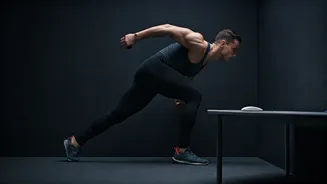
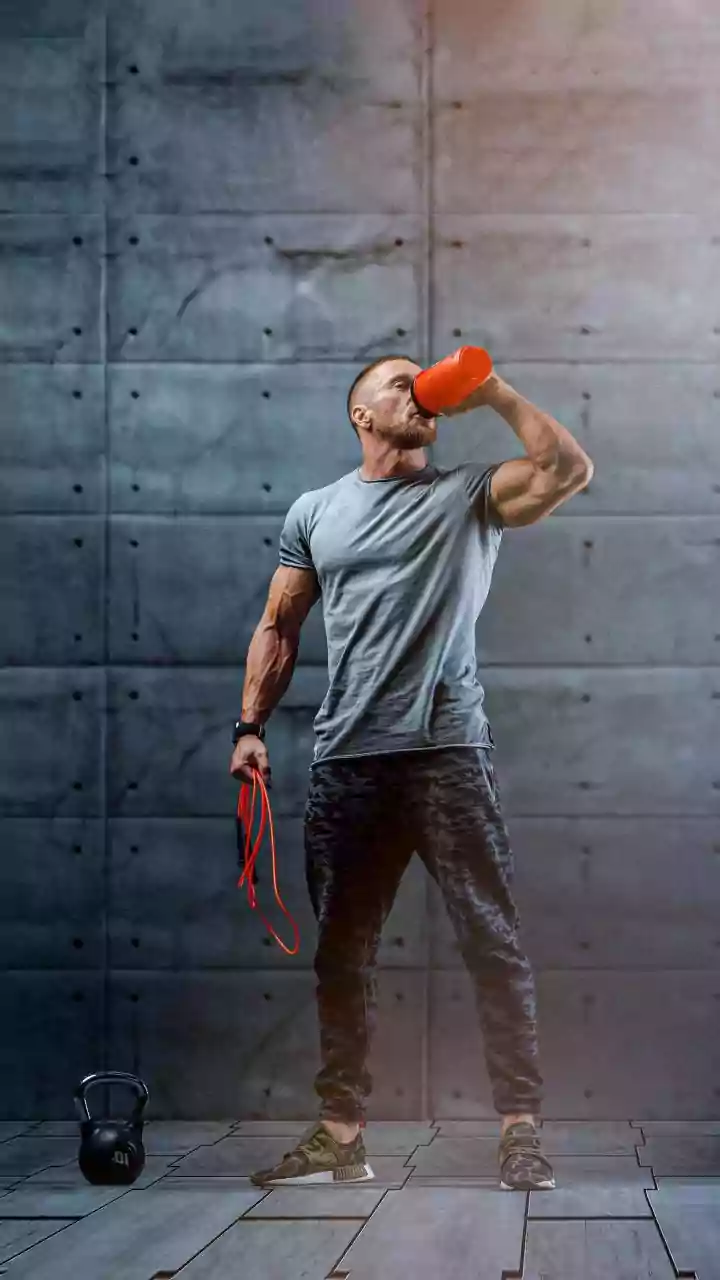
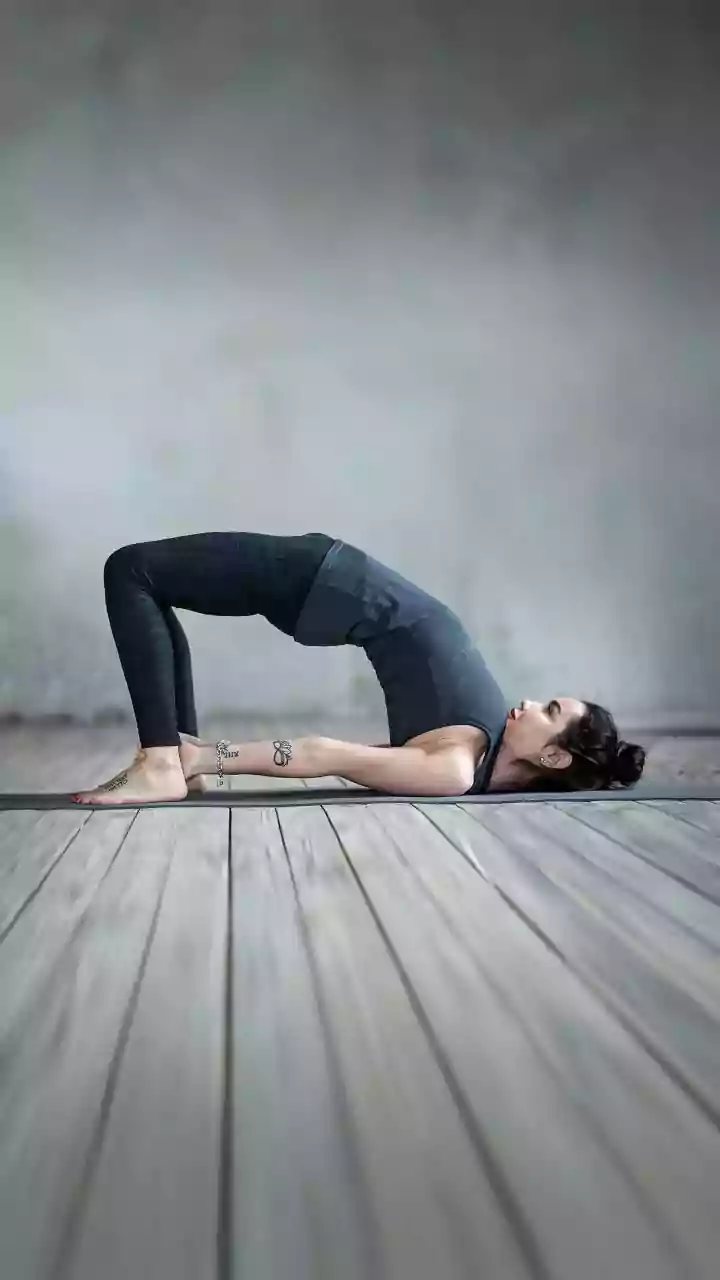
Fitness reels are designed to be captivating. With trending audio, aesthetic workout gear, and a promise of quick results, they create an illusion of effortless perfection. Many influencers, often called "fitfluencers," may lack formal certifications
in exercise science. [5, 8] Their content is often based on personal experience or aesthetic appeal rather than on the principles of biomechanics and progressive overload that are crucial for safe and effective training. [4] This can create unrealistic expectations and even spread misinformation, with some studies finding that a vast majority of fitness content creators don't have relevant health credentials. [16] This curated reality can be motivating, but it often glosses over the hard work, consistency, and less glamorous aspects of getting fit.
Reel Myth #1: It’s Quick and Effortless
A 30-second reel is just a highlight, not the whole story. While short, high-intensity workouts can be effective, sustainable fitness is built on more than just quick bursts. [17] True progress requires consistency over time, which means showing up for workouts even when you don't feel like it. [6] A certified trainer focuses on building a foundation, which often involves less exciting but essential exercises. What you don't see in the reel are the hours of practice, the less-than-perfect reps, the warm-ups, the cool-downs, and the all-important rest days that are crucial for muscle recovery and growth. [7] Research even shows that 80% of New Year's fitness resolutions fail by February, highlighting the challenge of long-term commitment. [3]
Reel Myth #2: Perfect Form from Day One
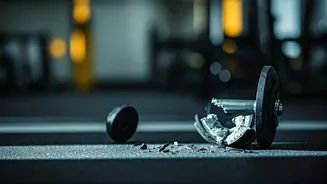
One of the biggest dangers of social media fitness is the risk of injury. [9, 12] Influencers often showcase advanced or complex exercises without explaining the foundational movements required to perform them safely. Copying these movements without proper guidance or an understanding of your own body's limitations can lead to sprains, strains, and other injuries. [9] A qualified fitness professional will always prioritize safety, starting with a fitness assessment and teaching proper form on basic exercises before progressing to more complex ones. [1, 2] This gradual approach ensures that you build strength and stability, reducing your risk of getting hurt and derailing your progress. [7]
Reel Myth #3: It’s All About Aesthetics
The focus of many fitness reels is on achieving a certain look—sculpted abs, toned arms, or a specific body shape. This emphasis on aesthetics can be damaging to mental health, leading to body dissatisfaction, anxiety, and a negative relationship with exercise. [9, 13, 15] Studies have found that constant exposure to idealized and often digitally altered images on social media can trigger feelings of inadequacy. [18, 21] A real workout is about more than just appearance. It's about feeling strong, improving your cardiovascular health, boosting your energy levels, and enhancing your overall well-being. [13] Shifting the focus from what your body looks like to what it can do is a much healthier and more sustainable motivator.
Making Social Media Work For You
Despite the pitfalls, you don’t need to delete your social media apps. Instead, you can learn to use them as a source of inspiration rather than a tool for comparison. Use reels to discover new workout music, find healthy recipe ideas, or get a quick dose of motivation. However, for your actual workout plan, it's wiser to follow certified professionals who provide educational, science-backed content. [4, 10] Remember that setting realistic, measurable goals is key. [1, 6] Start small, choose activities you genuinely enjoy, and focus on being consistent rather than perfect. [1, 7] Your fitness journey is personal, and progress should be measured against your own starting point, not someone else's highlight reel.