


The Lithium-Ion Bottleneck
For years, the electric scooter revolution has been powered by lithium-ion batteries. While effective, they represent a significant bottleneck. The battery pack alone can account for 40-50% of a scooter's total cost. This is largely due to the materials
inside: lithium, and often cobalt and nickel. These resources are geographically concentrated, with supply chains frequently dominated by a few nations, leading to price volatility and geopolitical risks. For India, which imports the vast majority of its lithium, this dependence is a major strategic and economic challenge, keeping the dream of a truly affordable electric scooter just out of reach for millions.
Enter Sodium: The Salt Solution
A promising alternative is emerging from a surprisingly common material: sodium-ion batteries. As the name suggests, these batteries use sodium—an element found abundantly in salt—as their primary charge carrier instead of lithium. Sodium is one of the most plentiful elements on Earth, thousands of times more abundant than lithium, and can be sourced locally in India from seawater and mineral deposits. This incredible abundance is the technology's greatest advantage, offering a clear path to drastically lower raw material costs and enhanced energy security.
The Cost Equation Explained
The potential cost savings are significant. Estimates suggest that at scale, sodium-ion batteries could be 20-30% cheaper than their lithium-ion counterparts. This cost advantage stems from a few key factors. Firstly, the raw material, sodium carbonate, is substantially cheaper than lithium carbonate. Secondly, sodium-ion designs often use inexpensive aluminium for internal components where lithium-ion batteries require more expensive copper, potentially reducing material costs by 30-40% alone. Crucially, they eliminate the need for costly and controversial metals like cobalt and nickel, further simplifying the supply chain and reducing price pressures.
Recent Breakthroughs Make It Viable
Until recently, sodium-ion batteries faced challenges with lower energy density (less range per kilogram) and shorter lifespans. However, a wave of recent breakthroughs has dramatically improved their performance. Researchers and companies have developed new electrode materials and chemistries that bring their energy density close to the popular Lithium Iron Phosphate (LFP) batteries used in many entry-level EVs. Indian scientists, such as a team at JNCASR, have developed super-fast charging sodium-ion batteries that can last for thousands of cycles, making them commercially viable for city-focused vehicles like scooters where extreme range isn't the top priority.
The 'Make in India' Advantage
Sodium-ion technology aligns perfectly with India's 'Atmanirbhar Bharat' (self-reliant India) mission. Several Indian companies are aggressively pursuing this technology. Reliance New Energy has acquired a UK-based pioneer and is planning to use the tech in its Jamnagar giga-factory. Startups like Indi Energy are innovating by using agricultural waste to create key battery components, while others like KPIT Technologies and Naxion Energy are also developing their own solutions. This domestic push means India can build a resilient supply chain from the ground up, using local resources and talent to power its own EV transition.
Hurdles and the Road Ahead
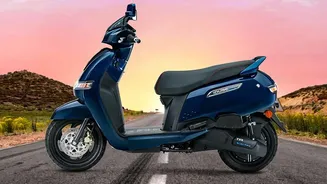
Despite the immense promise, widespread adoption won't happen overnight. While the technology is proven, scaling up mass production is the next major hurdle. The manufacturing ecosystem, though compatible with existing lithium-ion infrastructure, needs to be built out. However, the momentum is undeniable. Some manufacturers are targeting the first sodium-ion powered electric two-wheelers for launch by early 2026. Initially, these batteries are perfectly suited for the lower-end scooter market, where affordability is the main purchasing driver, and for fleet applications. As production scales up, the cost benefits are expected to become even more pronounced.