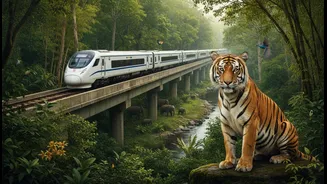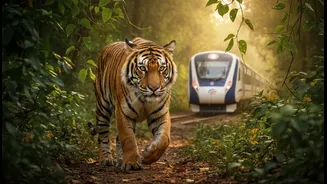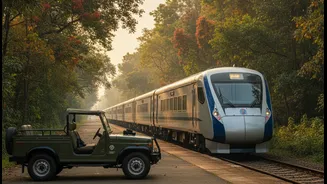



A New Gateway to the Wild
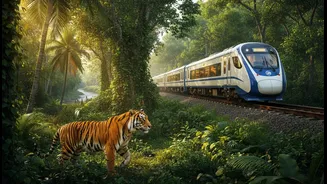
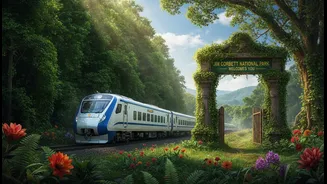
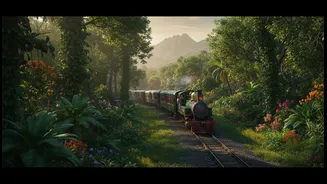
The expansion of the Vande Bharat network has created new, faster corridors to some of India's most cherished wildlife sanctuaries. Previously, reaching these remote destinations often involved long, arduous road journeys or multiple connecting trains.
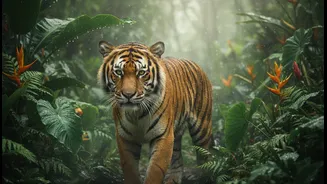
Now, travellers can board a Vande Bharat train and arrive at a nearby station in significantly less time, feeling refreshed and ready for adventure. Key routes have emerged, connecting major cities to gateways for famous parks. For instance, travellers can take a Vande Bharat to Sawai Madhopur for Ranthambore National Park, to Veraval for Gir National Park, or to Mysuru for Bandipur National Park. This improved connectivity is a game-changer for wildlife tourism, making spontaneous weekend trips a more viable option.
The Wildlife Traveller: More Time for Safari
For dedicated wildlife travellers, time is precious. The primary advantage of the Vande Bharat is speed. These trains can significantly cut down travel time compared to older express trains and road travel. For example, the journey to Sawai Madhopur, the access point for Ranthambore, is now faster, allowing tourists to potentially fit in an extra safari. The trains' quicker acceleration and higher operational speeds mean journeys that once consumed the better part of a day are now completed in mere hours. This efficiency allows for better planning around the rigid schedules of morning and evening safaris, maximising the chances of spotting elusive wildlife. The modern, comfortable amenities also mean travellers arrive less fatigued and more prepared for the ruggedness of a jungle expedition.
For Families: Comfort and Convenience
Travelling with children to a wildlife destination can be challenging, but Vande Bharat trains ease many of the logistical hurdles. The experience is often compared to air travel, with clean, modern coaches, automatic doors, and spacious seating. Onboard catering, which often includes child-friendly options, eliminates the need to pack elaborate meals. Clean and well-maintained washrooms, including both Indian and Western styles, add to the comfort level for families. The smooth, jerk-free ride and large panoramic windows keep younger travellers comfortable and entertained as they watch the landscape change from urban centres to scenic countryside. These features make the journey itself part of the holiday, rather than a stressful necessity.
The Rail Enthusiast’s Perspective
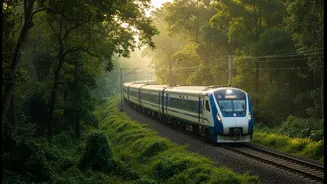
Beyond the destination, the Vande Bharat Express is an attraction in itself for rail enthusiasts. As India's first semi-high-speed trainset, it represents a leap in indigenous railway technology. Enthusiasts are drawn to the train's aerodynamic design, its rapid acceleration (0 to 100 km/h in about 52 seconds), and the overall modern ambience. The large windows provide an excellent vantage point for appreciating not just the scenery but also the intricacies of the rail network itself. For this group, a trip to a national park becomes a dual-purpose adventure: experiencing cutting-edge Indian engineering while also enjoying the natural world at the end of the line. The journey offers a unique blend of technological appreciation and nature-based tourism.
In Practice: The Last-Mile Challenge
While Vande Bharat gets you to the region quickly, the journey isn't over when you step off the train. A crucial practical consideration is the "last-mile connectivity" from the station to the national park's entrance or resort area. For Ranthambore, Sawai Madhopur station is conveniently close, just a 10-12 km drive. However, for other parks, the onward journey is longer. Reaching Bandipur National Park from Mysuru station requires an 80 km road trip, which takes about two hours. Similarly, accessing Kaziranga from Guwahati or Jim Corbett from Dehradun involves a road journey of four to five hours. Travellers must factor in the cost and availability of taxis or buses for this final leg, which can sometimes be a significant addition to the overall travel time and budget.