


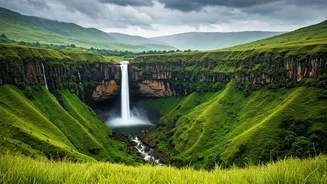


Ladakh: The High-Altitude Desert
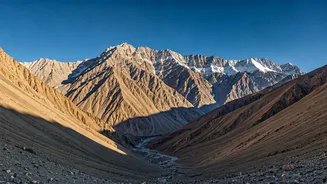
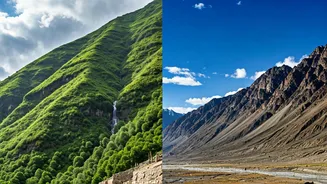
Known as 'Little Tibet', Ladakh is arguably the safest and most spectacular place to visit in India during July. Situated in a rain-shadow zone created by the Himalayas, it receives minimal rainfall when the rest of the country is drenched. This means
clear blue skies, pleasant daytime temperatures perfect for sightseeing, and open roads connecting you to its otherworldly landscapes. July is peak season, so all major attractions like the stunning Pangong Tso lake, the dunes of Nubra Valley, and ancient monasteries like Thiksey are fully accessible. While the main highways from Srinagar and Manali are open, they can face occasional rain-induced blockages, but the core region remains dry and welcoming, offering a unique adventure without the monsoon worries.
Spiti Valley: A World Within a World
Like Ladakh, Spiti Valley in Himachal Pradesh is a high-altitude cold desert that is shielded from the heavy monsoon rains by the Himalayan ranges. This makes July an ideal time to explore its stark, dramatic landscapes, ancient monasteries, and remote villages. The journey to Spiti itself, whether from Shimla or Manali, is an adventure, but once you are in the valley, you are rewarded with dry weather and unobstructed views. It is a perfect destination for those seeking solitude, adventure, and a connection with nature without the constant threat of downpours. You can visit the iconic Key Monastery, send a postcard from the world's highest post office in Hikkim, and explore the serene villages of Kaza and Tabo.
Udaipur: The Romantic City of Lakes
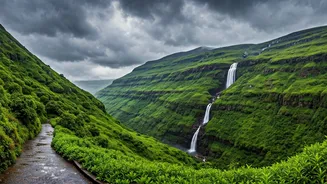
While Rajasthan does receive monsoon showers, Udaipur, the 'City of Lakes', transforms into a lush, romantic paradise without the extreme rainfall seen in other parts of India. The parched Aravalli hills turn a vibrant green, and the city’s iconic lakes, including Lake Pichola, fill up, reflecting the majestic palaces and monsoon clouds. The temperature becomes pleasant, making it ideal for sightseeing. You can enjoy a boat ride on the replenished lakes, explore the grand City Palace, and visit the Monsoon Palace (Sajjangarh), which was built specifically to watch the monsoon clouds roll in. It’s a chance to see a different, greener side of Rajasthan with fewer crowds.
Puducherry: A Touch of French Charm
Located on the southeast coast, Puducherry falls in a region that receives most of its rainfall during the retreating northeast monsoon later in the year. In July, it experiences moderate, intermittent showers rather than a constant deluge, making it a pleasant coastal escape. The rains bring relief from the summer heat, and the French Quarter, with its charming colonial-era villas and bougainvillaea-lined streets, looks freshly washed and vibrant. It’s an ideal time to explore the unique culture of Auroville, stroll along the Promenade Beach, and relax in its many quaint cafes with fewer tourists around.
Valley of Flowers: A Blooming Monsoon Trek
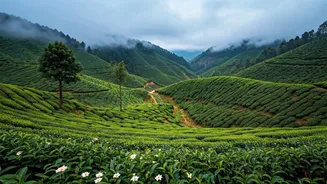
This might seem counterintuitive, but the Valley of Flowers in Uttarakhand is a destination that comes alive because of the monsoon. This UNESCO World Heritage site is a high-altitude valley that blooms with over 300 species of alpine flowers during the rainy season. While it does rain here, the official trekking season from June to October ensures that the route is managed and monitored. With proper rain gear and a good guide, the trek is considered safe and offers a once-in-a-lifetime experience. The journey through mist and clouds to a valley carpeted in vibrant colours is what makes this a truly special and relatively safe monsoon adventure for the well-prepared.