








The Monsoon Cleaning Challenge
The constant dampness of the monsoon creates a perfect breeding ground for mould, mildew, and pests. Clothes take longer to dry and can develop a musty smell, while walls and furniture become prone to fungal growth. For renters and homeowners alike, keeping
a home feeling and smelling fresh becomes a daily battle. Many turn to harsh chemical cleaners, but these can release fumes that are unpleasant in poorly ventilated, humid spaces. This is where natural, traditional alternatives become not just relevant, but essential for a healthy home environment.
Vinegar: The Acidity All-Rounder
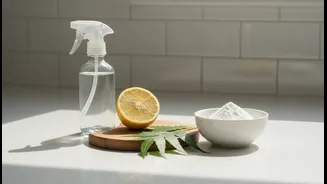
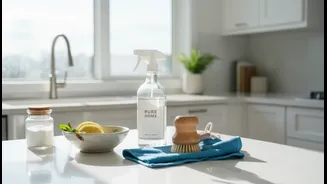
White vinegar is a formidable opponent to many monsoon-related issues due to its acidic nature. Research shows that its acetic acid can kill a high percentage of mould species. For surface mould on walls or window sills, spray undiluted white vinegar, let it sit for an hour, and then scrub it off. To combat the musty smell in clothes that haven't dried properly, add a cup of vinegar to your laundry rinse cycle. This helps to soften fabrics and eliminate odours. A 1:1 solution of vinegar and water in a spray bottle makes a fantastic all-purpose cleaner for floors, countertops, and rain-streaked windows, cutting through grime without toxic fumes. However, avoid using vinegar on natural stone surfaces like marble, as the acid can cause damage.
Baking Soda: The Deodorising Powerhouse
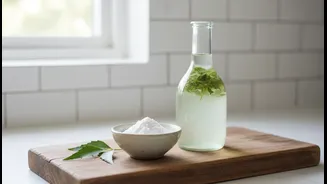
Baking soda, or sodium bicarbonate, is a master at absorbing moisture and neutralising odours, two of the biggest monsoon complaints. To tackle dampness in enclosed spaces, place small, open bowls of baking soda inside wardrobes, cabinets, and shoe racks. This will help absorb excess moisture and prevent that signature stale smell. For carpets that feel damp or smell musty, sprinkle a generous amount of baking soda over the surface, let it sit for a few hours, and then vacuum it up thoroughly. You can also make a thick paste of baking soda and water to use as a non-abrasive scrub for sinks, tiles, and kitchen counters to remove stains and grime.
Neem: Nature’s Pest Repellent
The monsoon often brings an increase in household pests like ants, cockroaches, and silverfish. Neem, a tree native to India, has been used for generations for its powerful antifungal and insecticidal properties. To create a natural pest-repellent floor cleaner, boil a handful of neem leaves in water, let the infusion cool, and then use it for mopping. The bitter compounds in neem disrupt the life cycle of many insects and act as a deterrent. You can also place small pouches of dried neem leaves in wardrobes and bookshelves to protect clothes and books from insect damage and mustiness. For a more targeted approach, a spray made from cold-pressed neem oil, water, and a drop of liquid soap can be used in corners and entryways to keep pests at bay.
Smart Combinations and Safety Tips
These ingredients can often be combined for enhanced effectiveness. A classic combination for clearing sluggish drains is to pour half a cup of baking soda down the drain, followed by a cup of vinegar. The resulting fizzing reaction helps to break down grease and buildup. For stubborn grout mould, applying a baking soda paste and then spraying it with vinegar can create a powerful cleaning foam. While these ingredients are natural, a few precautions are necessary. Always perform a patch test on a small, inconspicuous area before applying these solutions to a new surface, especially fabrics or polished wood. And never mix vinegar with commercial bleach, as this can create toxic chlorine gas.