





A Sense of Purpose and Productivity
In the concrete landscape of our cities, many apartment spaces can feel temporary or disconnected. The balcony, in particular, often becomes a forgotten zone, home to a clothesline or discarded items. Introducing a vegetable patch, no matter how small,
fundamentally changes this dynamic. It turns a passive area into an active, productive part of your home. The simple act of nurturing a plant from seed to harvest instills a powerful sense of purpose. Your home is no longer just a place to sleep and eat; it’s a place where you create, grow, and sustain. This shift from consumer to producer is deeply satisfying and makes your urban dwelling feel genuinely useful.
Easy Vegetables for Indian Balconies
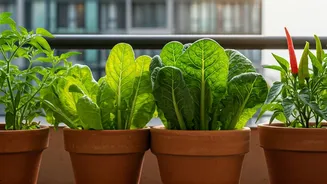
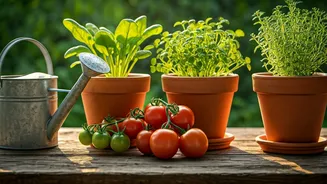
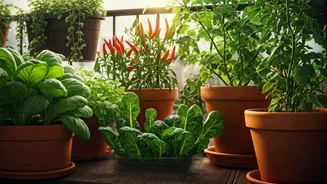
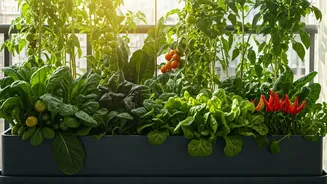
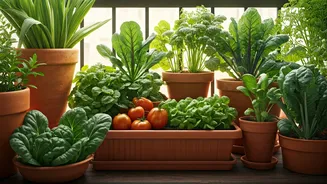
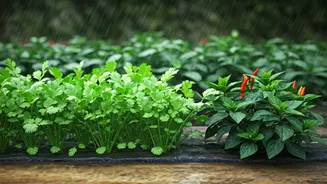
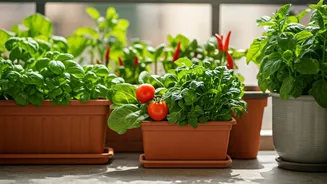
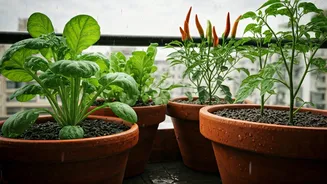
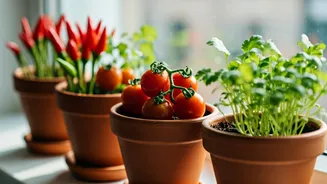
The thought of starting a garden can be intimidating, but success is within reach if you start with the right plants. For most Indian climates, several vegetables thrive in containers and are forgiving for beginners. Consider these reliable choices: * Tomatoes: Cherry tomato varieties are particularly well-suited for pots and yield a rewarding, continuous harvest. * Chillies: A staple in Indian cooking, chilli plants are hardy, love the sun, and produce prolifically in containers. * Leafy Greens: Spinach (palak) and amaranth (chaulai) grow quickly and can be harvested multiple times. They are perfect for adding fresh greens to your daily meals. * Herbs: Mint (pudina) and coriander (dhania) are essential. They grow fast, require minimal space, and the convenience of snipping fresh herbs for your chai or chutney is unmatched. * Brinjal (Baingan): Many dwarf varieties of brinjal grow excellently in large pots, adding both beauty and substance to your balcony garden.
The Right Foundation: Pots, Soil, and Sun
Your success hinges on three key elements. First, choose containers with good drainage holes to prevent waterlogging and root rot. Terracotta pots are excellent as they are porous, but any recycled container with holes poked in the bottom will work. Second, don't just use plain mud. A healthy potting mix is crucial. A simple, effective mixture is one part garden soil, one part compost (like vermicompost), and one part cocopeat. This blend retains moisture while allowing for good aeration. Finally, observe your balcony. Most vegetable plants need at least 4-6 hours of direct sunlight per day. Understanding your home’s unique micro-environment—where the sun hits and for how long—is the first step in becoming a gardener. It connects you to the natural rhythms that govern your living space.
The Mental and Physical Health Harvest
The benefits of a balcony garden extend far beyond the plate. The daily ritual of watering, checking on your plants, and pruning leaves is a form of active meditation. It pulls you away from screens and deadlines, grounding you in the present moment. Studies have shown that interacting with soil and plants can reduce levels of cortisol, the stress hormone. The gentle physical activity of potting, watering, and harvesting provides a light workout. This regular, positive engagement with nature, known as biophilia, is proven to boost mood and reduce anxiety. Your balcony becomes a sanctuary, a wellness corner that actively contributes to your mental peace.
Fresh, Organic, and Deliciously On-Demand
There is no comparison to the taste of a vegetable you have grown yourself. A tomato picked warm from the vine, a chilli plucked moments before being tossed into a curry, or mint leaves muddled straight into a drink offer a depth of flavour that store-bought produce simply cannot match. By growing your own, you have complete control over what goes into your food. You can ensure it's free from chemical pesticides and grown in rich, organic soil. This intimate connection to your food source not only enhances your meals but also fosters a greater appreciation for what you eat. Your home becomes a source of clean, nourishing, and incredibly fresh food.