



A Matter of Form and Consistency
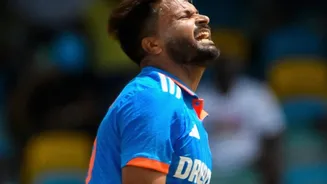
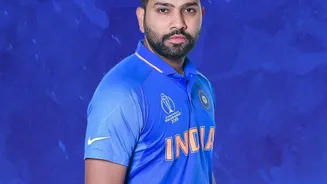
In the years leading up to the 2011 World Cup, Rohit Sharma was a prodigious talent who had shown flashes of brilliance, including being part of the 2007 T20 World Cup winning team. He even scored two ODI centuries in mid-2010 against Zimbabwe and Sri
Lanka. However, his form took a significant dip in the crucial period just before the squad selection. A poor run in South Africa preceding the tournament announcement hurt his chances badly. In his first few years of ODI cricket, his overall average was modest, and the consistency expected of a top-order batsman wasn't quite there yet. According to his childhood coach, Dinesh Lad, the fame and money from the early years of the IPL might have diverted his focus from cricket, leading to a performance slump between 2009 and 2011.
The Captain's Call for a Different Balance
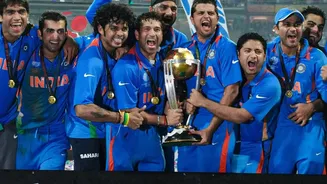
Recent revelations from former selector Raja Venkat shed light on the final moments of the selection meeting. He disclosed that both the selectors and then-coach Gary Kirsten were in favour of picking Rohit Sharma for the 15th and final spot in the squad. However, captain MS Dhoni had a different strategic vision. Dhoni reportedly wanted an additional spinner in the squad, believing it would provide better balance and more options on Indian pitches. His preference was for leg-spinner Piyush Chawla. According to Venkat, once Dhoni made his case, Kirsten changed his stance to align with the captain, and the selectors ultimately deferred to their request. This meant the final spot went to Chawla, and the promising batsman was left out.
An All-Rounder-Heavy Strategy
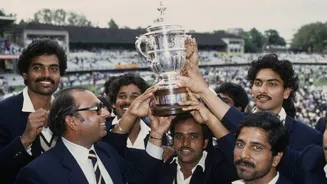
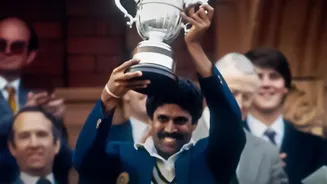
Kris Srikkanth, the chairman of selectors in 2011, has since expressed his regret over the decision, even apologising to Rohit. He explained that the selection committee's thinking was heavily influenced by the successful 1983 World Cup-winning team, which was packed with 'half all-rounders'. The strategy was to have as many players as possible who could contribute with both bat and ball. This philosophy proved successful, as Yuvraj Singh, with his crucial contributions with both bat and ball, was named Player of the Tournament. The squad also included part-time bowling options in Suresh Raina, Virender Sehwag, and Sachin Tendulkar, alongside the all-rounder Yusuf Pathan. In this numbers game, a specialist batsman like Rohit, who was struggling for form, unfortunately, did not fit the selectors' final blueprint.
A Career-Defining Turning Point
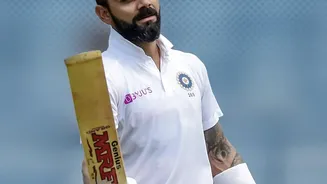
Missing out on a home World Cup was a massive professional setback for Rohit, who publicly expressed his disappointment at the time. However, this moment is now widely seen as the crucial turning point that forged the 'Hitman'. His childhood coach, Dinesh Lad, recalled advising him to look at Virat Kohli, who debuted after him but made the World Cup squad through sheer performance. This spurred Rohit to rededicate himself to his training and fitness. Abhishek Nayar, a close friend, noted that the snub triggered an intense fitness transformation. Just two years later, in 2013, captain MS Dhoni promoted him to open the innings in ODIs, a move that unlocked his true potential and set him on the path to becoming one of the most dominant white-ball openers in cricket history.