




The Allure of Informal Loans
For creators and small media businesses needing quick capital, informal lending from sources like moneylenders, friends, or family often seems like the easiest option. The primary appeals are speed and flexibility. These loans can often be secured within
hours with minimal to no documentation, which is a major advantage for those who lack formal income proof or a strong credit history. Informal lenders may also offer flexible repayment schedules tailored to a borrower's irregular income cycles. This ease of access has made informal credit a persistent feature of India's financial landscape, especially for those who feel excluded from or intimidated by formal banking processes.
The Hidden Dangers of Borrowing Informally
Despite the convenience, informal borrowing carries severe risks. The most significant is the exorbitant interest rates, which can range from 36% to over 100% annually, trapping borrowers in a vicious debt cycle. These loans operate outside any regulatory framework, meaning there is no legal protection for the borrower. This lack of oversight often leads to a lack of transparency, with hidden charges and unclear terms. Furthermore, recovery methods can be aggressive and coercive, involving harassment and intimidation. Since these transactions are not reported to credit bureaus, they do nothing to help build a borrower's credit score, which can hinder their ability to secure formal loans in the future.
The Rise of Regulated Digital Lending
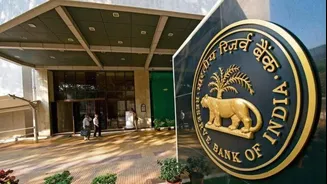
In response to the risks of unregulated lending, and to serve the growing digital economy, a new wave of formal digital lending has emerged. Spearheaded by RBI-regulated banks, Non-Banking Financial Companies (NBFCs), and fintech platforms, these loans offer a structured and safer alternative. The Reserve Bank of India has implemented comprehensive digital lending guidelines to protect consumers. These rules mandate transparency, data privacy, and fair practices from all regulated entities. Key features include the mandatory provision of a Key Fact Statement (KFS) outlining all costs and the Annual Percentage Rate (APR), ensuring borrowers know the full cost of the loan upfront.
Safer, Transparent, and Structured
Formal digital loans offer several key advantages over their informal counterparts. Governed by RBI guidelines, they feature transparent and standardized interest rates that are significantly lower than those in the informal sector. All terms and conditions are clearly documented in a legally binding agreement, protecting both borrower and lender. Crucially, these lenders are prohibited from predatory practices like accessing a borrower's phone contacts or using intimidation for recovery. Recent RBI guidelines have even introduced a mandatory 'cooling-off' period, allowing borrowers to exit a loan within a few days without penalty. Every loan and its repayment history are reported to credit bureaus, helping creators build a formal credit history.
Finding a Formal Loan for Your Media Project
A growing number of financial institutions now offer loans specifically for content creators, freelancers, and media businesses in India. Platforms like DMI Finance, Indifi, and Kissht provide collateral-free personal or business loans that can be used for purchasing equipment, funding marketing campaigns, or managing cash flow. These loans can range from ₹50,000 to ₹50 lakh or more, with fully digital application processes and disbursal times as fast as 24-48 hours. To apply, creators typically need to demonstrate a steady income, have a decent credit score, and provide basic KYC documents and a business plan or project proposal.