







Understand the Monsoon Dehydration Trap
It might seem counterintuitive to get dehydrated when there's so much water in the air, but the high humidity of the monsoon season presents a unique challenge. Normally, your body cools itself by sweating, and the sweat evaporates from your skin. In
a humid environment, the air is already saturated with moisture, so sweat evaporates very slowly, if at all. [8] This means your body struggles to cool down, causing you to sweat more and lose significant amounts of fluid and essential minerals without even realizing it. [2, 8] Worse, the cooler temperatures and damp weather can suppress your natural thirst signals, meaning you might not feel thirsty even when your body is running low on water. [10, 11] This combination makes dehydration a sneaky risk during the rainy season, leading to fatigue, headaches, and dizziness. [8, 11]
Upgrade 1: Drink Your Water, The Right Way
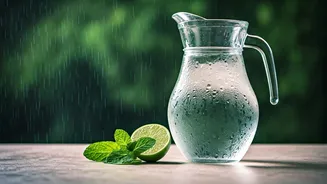
While drinking plain water is fundamental, how and when you drink it matters. During the monsoon, it's wise to sip on water that is either boiled or properly filtered to avoid the higher risk of water-borne diseases like cholera and diarrhoea. [9] Many experts suggest drinking room temperature or slightly warm water, as ice-cold drinks can sometimes slow down absorption. [16] A great upgrade is to infuse your water with ingredients that also boost immunity. Adding slices of lemon, ginger, mint, or tulsi not only makes water more appealing but also adds antibacterial and anti-inflammatory properties perfect for the season. [9, 16] Remember not to wait until you feel thirsty; make it a habit to drink water consistently throughout the day to maintain optimal levels. [2, 7]
Upgrade 2: Replenish Those Lost Electrolytes
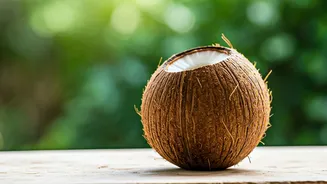
When you sweat in high humidity, you don't just lose water; you lose vital electrolytes like sodium, potassium, and magnesium. [6] These minerals are crucial for maintaining fluid balance, nerve function, and preventing muscle cramps. [8, 18] Plain water alone won't replace them. A simple and natural upgrade is to incorporate electrolyte-rich drinks into your day. Coconut water is an excellent choice as it's naturally packed with potassium. [2, 3] A classic homemade nimbu pani (lemonade) with a pinch of salt and sugar can also quickly restore balance. [5, 17] For a food-based approach, include items like bananas, spinach, and yoghurt in your diet. [2, 7]
Upgrade 3: Eat Your Hydration
Around 20% of your daily fluid intake can and should come from the foods you eat. [12] This is an easy and delicious way to boost your hydration. Focus on seasonal fruits and vegetables with high water content. Cucumbers, watermelon, oranges, and lettuce are all excellent choices that provide both hydration and essential vitamins and minerals. [2, 12, 14] Warm, nourishing soups and broths are another fantastic option for the monsoon. They not only contribute to your fluid intake but also provide comfort and can be packed with immunity-boosting ingredients like garlic, ginger, and turmeric. [9] Including smoothies made from fruits and vegetables is another effective strategy to get both nutrients and fluids in one go. [3]
Upgrade 4: Embrace Warm, Soothing Beverages
The cool, damp weather of the monsoon often makes us crave a warm drink. This is a great instinct to follow for hydration. Herbal teas like ginger, chamomile, peppermint, or tulsi are fantastic choices. [5, 9, 16] They are hydrating and often come with additional health benefits, such as aiding digestion and boosting your immune system against seasonal colds and flu. [4, 7] Traditional Indian preparations like a warming Kahwa, made with green tea and spices, or a simple Haldi Doodh (turmeric milk) can also be comforting and hydrating while offering anti-inflammatory benefits. [5, 15] It's best to moderate your intake of caffeinated tea and coffee, as they can have a diuretic effect. [14]